
Vitamins and Natural Sources: A Guide to Proper Absorption
Medically reviewed by Dr Girish Shirke, M.D. (Ayurved)September 5, 2026
Do you wonder why you are constantly tired, even though you get enough sleep? Or why your skin lacks radiance despite a handful of expensive creams? Often, the answer lies in our small biological heroes – vitamins.
Think of your body as a perfectly crafted machine. Like any complex mechanism, it won't function without the right "lubricants" that keep it moving. Approaches to health vary: some follow rigorous diets, while others start their morning with a handful of synthetic tablets.
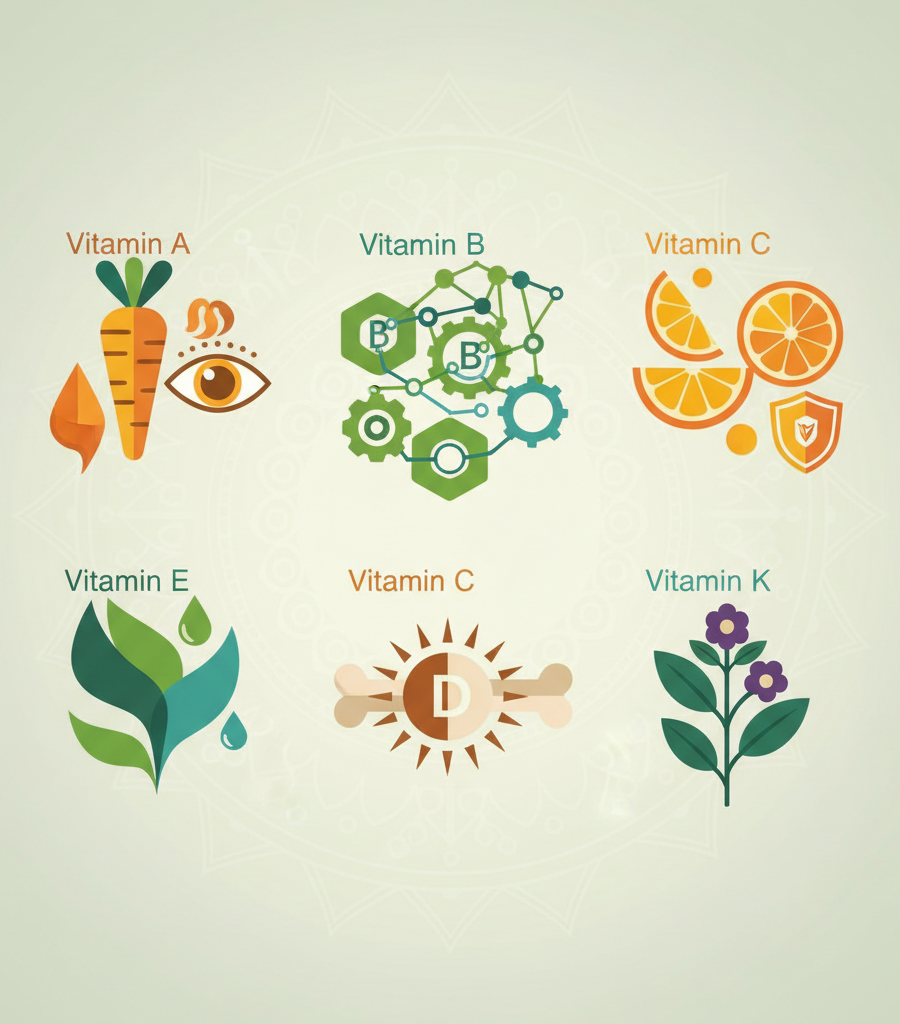
While we are all aware that "we need vitamins," few truly know where to find them, exactly how much they need, and most importantly – how we unconsciously destroy them while cooking.
In this guide, we will look at the most important vitamins, their "enemies," and how Ayurveda offers a more efficient solution for their replenishment.
The Alphabet of Health: A Detailed Overview of Vitamins
1. Vitamin A: Guardian of Vision and Youth
This vitamin is a powerful antioxidant that bravely fights against free radicals. From my experience, it is one of the most frequently neglected, yet its role is crucial.
Main benefits: It is essential for "eagle eyes" (especially night vision), contributes to glowing and youthful skin, healthy and thick hair, strong nails, and sturdy bones. It truly is comprehensive!
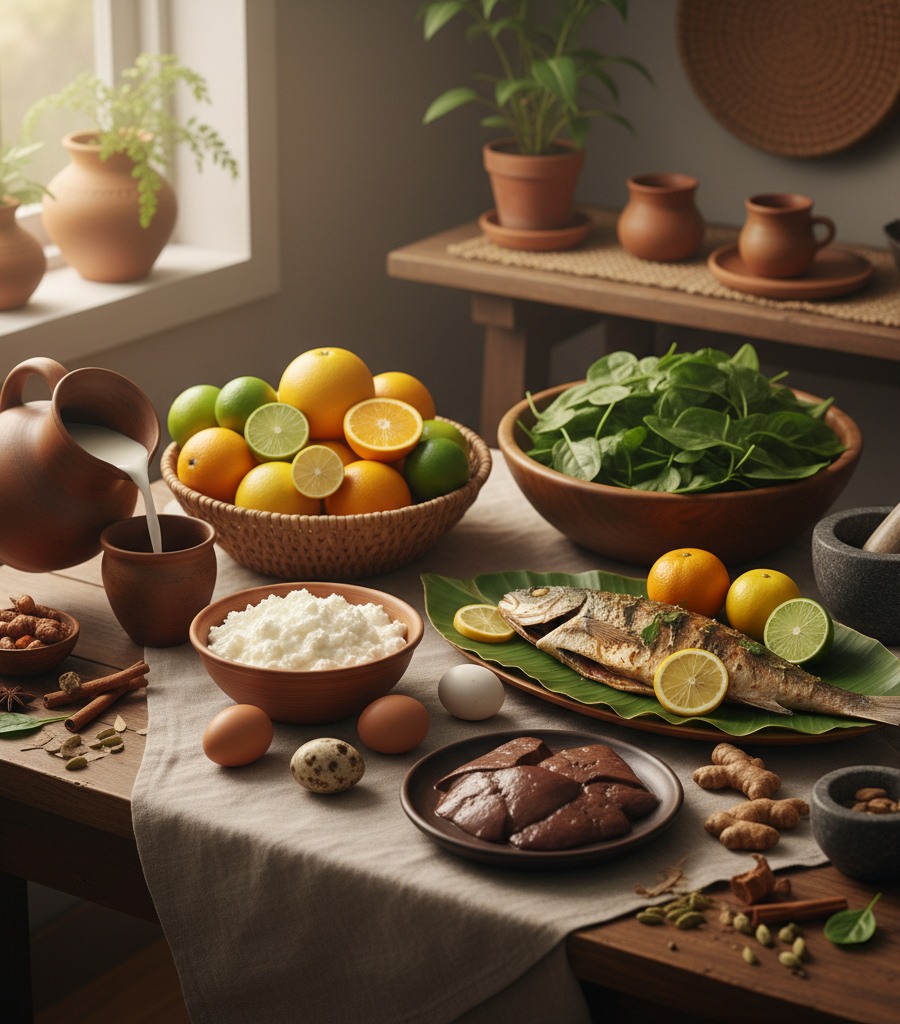
Best natural sources: Besides the well-known carrots (which are rich in beta-carotene, a precursor to vitamin A), it is found in cottage cheese, eggs, whole milk, fish, beef liver, citrus fruits, and spinach.
Recommended daily dose: Usually ranges from 0.4 to 1 mg.
Enemy of Vitamin A: High temperatures. Be careful, frying or long-term canning can drastically reduce its concentration in food.
2. Vitamin B1 (Thiamine): Energy for the Brain
If you often feel mentally exhausted, it is quite possible you are lacking B1. This vitamin is a true energy manager for the body.
Main benefits: For a sharp mind and better concentration, efficient digestion, strong muscles, and support for the cardiovascular system – Thiamine is irreplaceable.
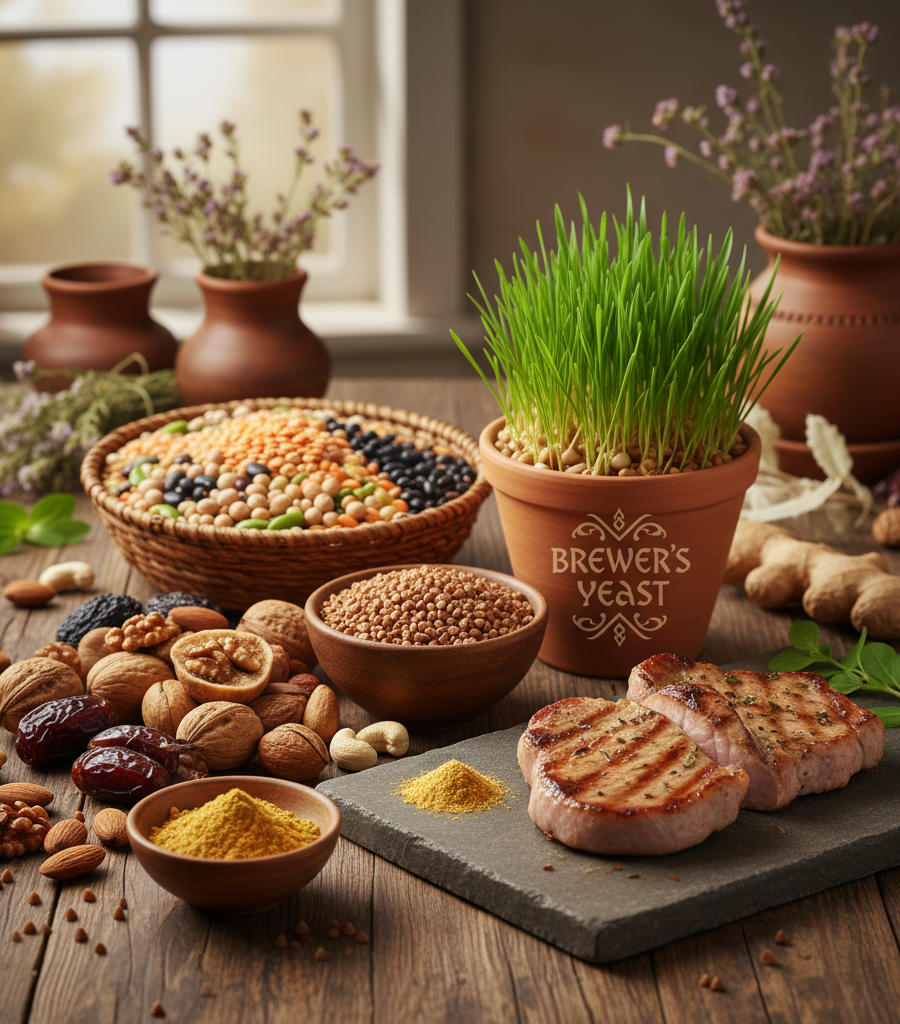
Best natural sources: Nuts, buckwheat, wheatgrass, legumes, brewer's yeast, and pork. I think brewer's yeast is a wonderful addition for everyone!
Recommended daily dose: From 1.3 to 2.6 mg.
Enemy of Vitamin B1: Long-term cooking and adding salt during thermal processing. And yes, drinking coffee during a meal blocks its absorption, which is surprising to many!
3. Vitamin B2 (Riboflavin): Cell Regenerator
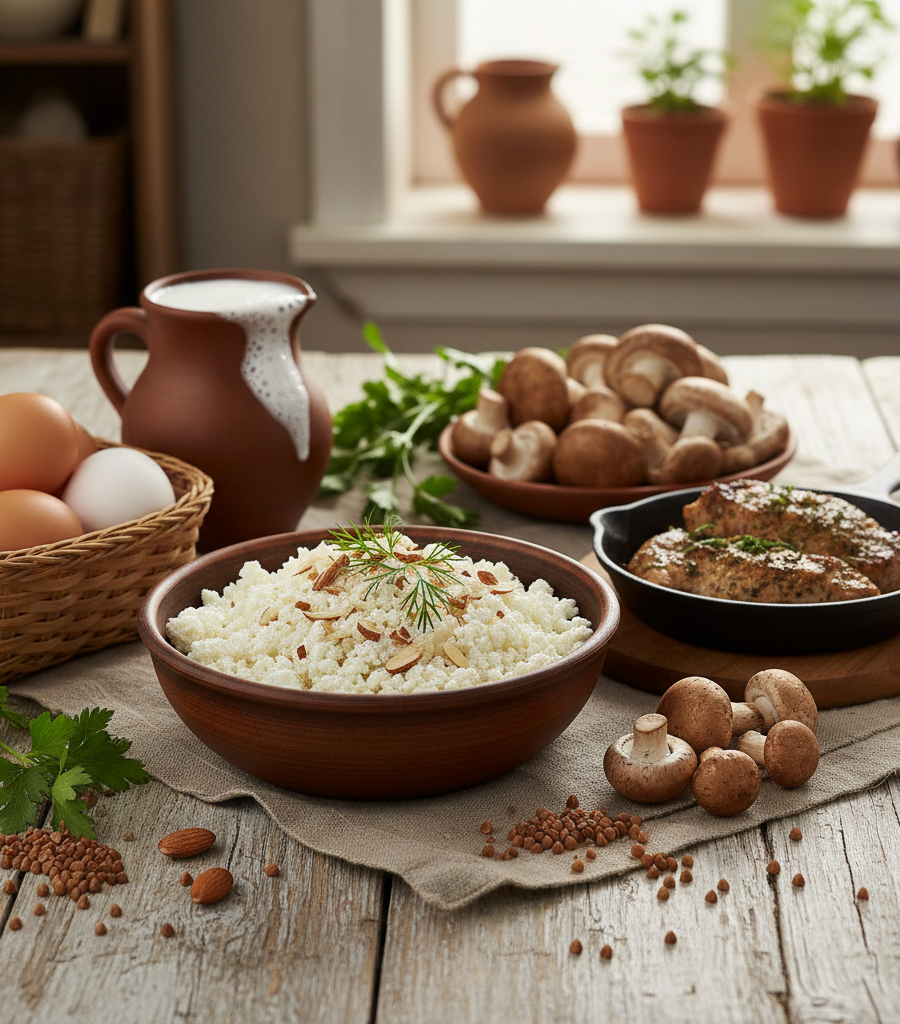
B2 is often underrated, but its role in cell regeneration is extremely important.
Main benefits: It is key to eye health, accelerates the regeneration of damaged cells, and helps maintain muscle tone.
Best natural sources: Almonds, cottage cheese, eggs, milk, mushrooms, buckwheat, and meat. For vegetarians, almonds and mushrooms are an excellent option.
Recommended daily dose: From 1.3 to 3 mg.
Enemy of Vitamin B2: Light! Therefore, store foods rich in B2 (like milk) in opaque containers, as light is its great enemy.
4. Vitamin B5 (Pantothenic Acid): Anti-stress Vitamin
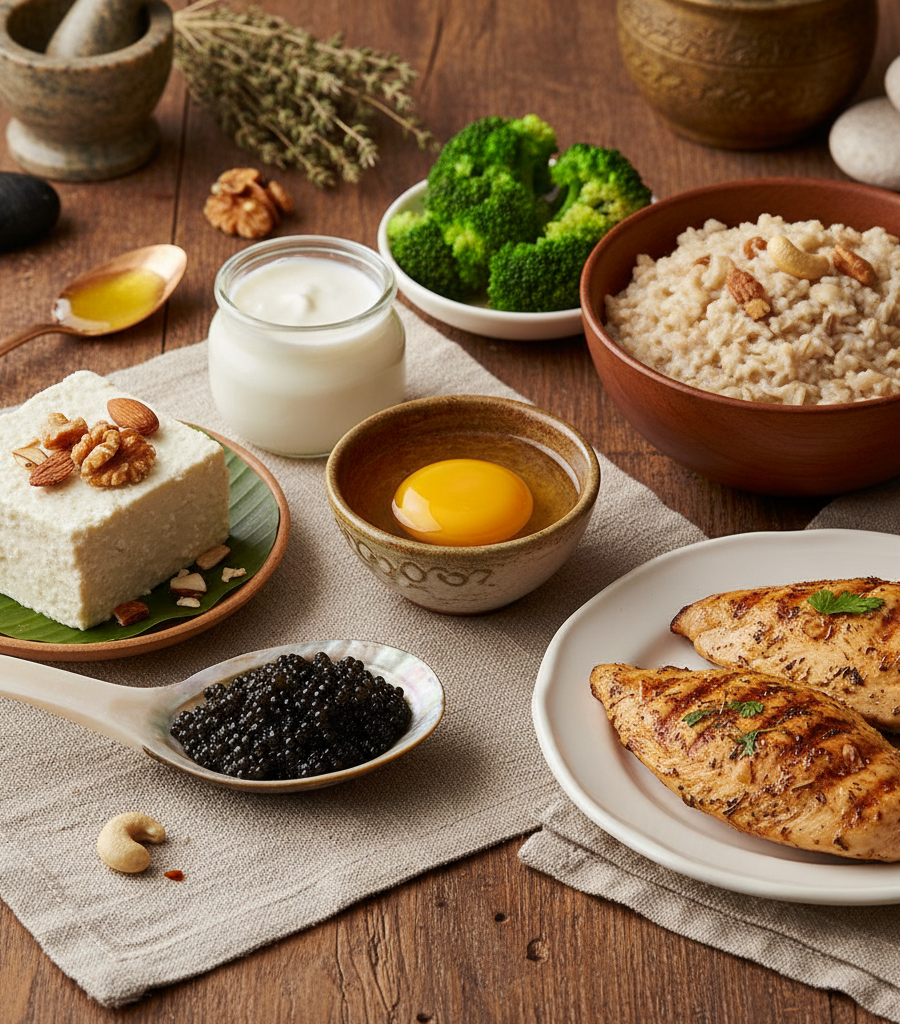
In today's fast-paced life, B5 is a true treasure.
Main benefits: Provides a calm mind, excellent memory, helps in recovery from illness, and strengthens blood vessels. Who wouldn't want more of this?
Best natural sources: Egg yolk, dairy products, caviar, oatmeal, chicken, broccoli, rice, and nuts.
Recommended daily dose: Around 5 mg.
Enemy of Vitamin B5: Freezing, especially repeated freezing and thawing of food, can destroy this vitamin.
5. Vitamin B6 (Pyridoxine): Metabolism Engine
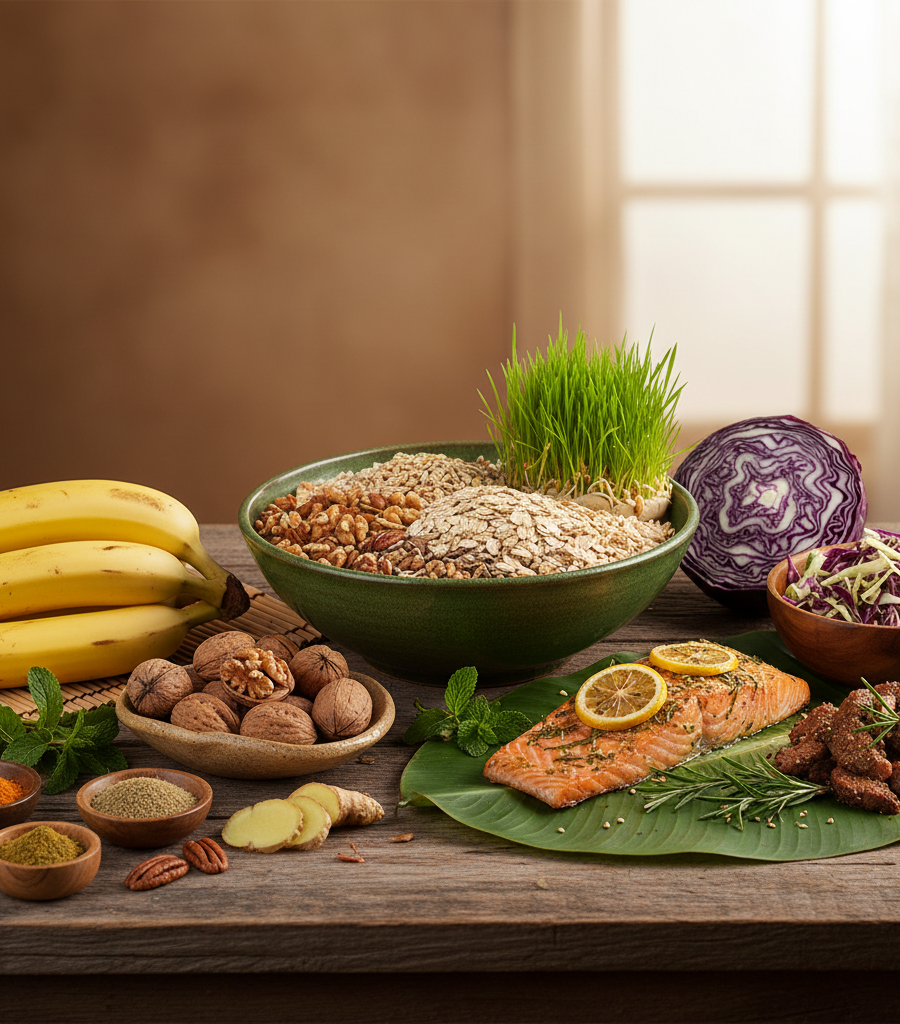
Pyridoxine is like a small engine that drives our metabolism.
Main benefits: Keeps the nervous system healthy, prevents cramps, adds energy, and strengthens blood vessels.
Best natural sources: Bananas, walnuts, whole grains, cabbage, salmon, meat, and wheat germ. I think bananas are one of the easiest ways to get B6.
Recommended daily dose: Recommended from 1.6 to 2 mg.
Enemy of Vitamin B6: Direct sunlight. Therefore, store these foods in a dark and cool place to preserve this important vitamin.
6. Vitamin B12 (Cobalamin): Foundation of Blood and Nerves

This vitamin is often lacking in vegetarians if they don't pay attention to their diet, and its importance is immense.
Main benefits: Contributes to efficient memory, strong immunity, a healthy digestive tract, and is key to preventing anemia.
Best natural sources: Meat, liver, fish, seafood (like oysters), eggs, cheese. For vegans, algae and fortified products are good alternatives.
Recommended daily dose: From 2 to 5 mg.
Enemy of Vitamin B12: Light and long-term exposure to air can reduce its effect.
7. Vitamin C: King of Immunity
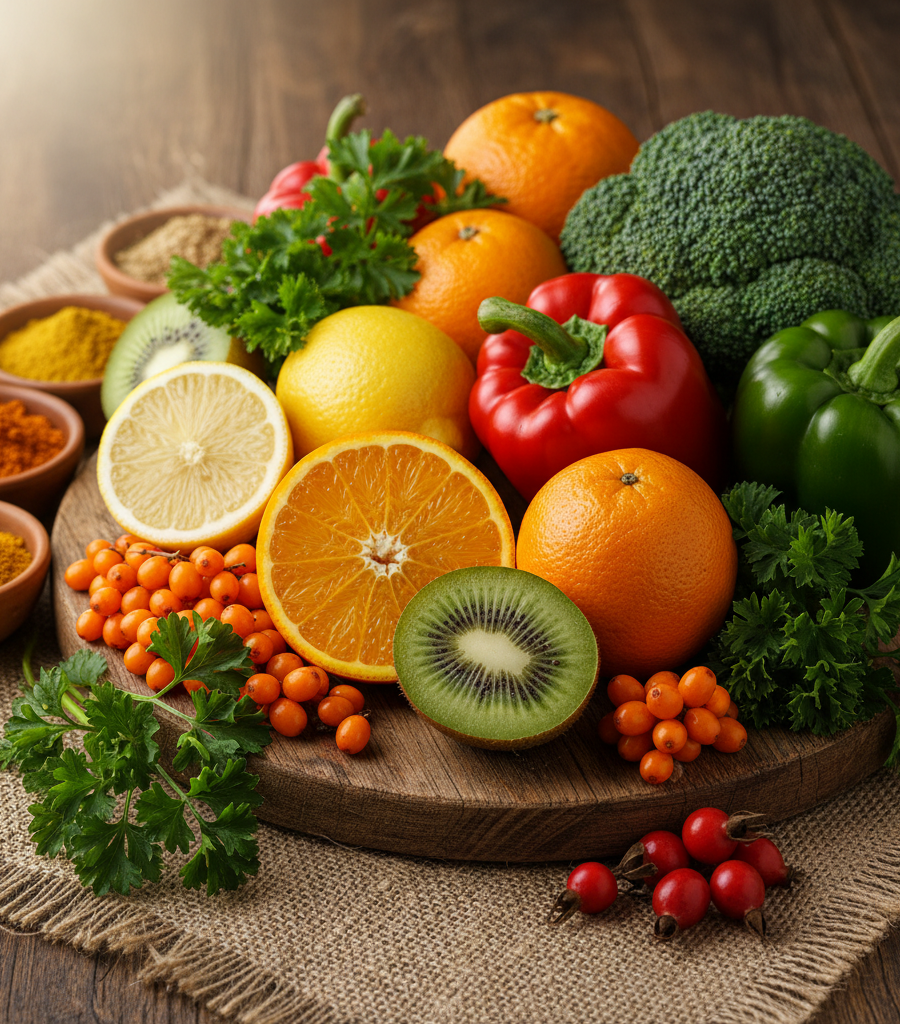
Vitamin C is probably the most famous vitamin, and rightly so – its role is crucial for general health.
Main benefits: Keeps the skin healthy and elastic (stimulates collagen production), builds strong immunity, contributes to healthy gums, and yes, even influences a positive mood!
Best natural sources: Kiwi, citrus fruits (lemon, orange), peppers, broccoli, sea buckthorn, rosehip, and parsley are true treasuries of vitamin C. Personally, I always prefer to ingest it through fresh fruit.
Recommended daily dose: Around 70 mg (smokers need more).
Enemy of Vitamin C: Oxygen and heat. Vitamin C is thermolabile – cooking, especially long-term, destroys it almost completely. Therefore, eat fruits and vegetables fresh whenever possible!
8. Vitamin D: The Sunshine Vitamin

It is often called the "sunshine vitamin" and not without reason. Vitamin D deficiency has become a true epidemic in the modern world.
Main benefits: Key for strong bones (binds calcium), helps fight depression, supports hormonal balance and cardiovascular health. Its role goes far beyond just bones.
Best natural sources: The best source is sunlight (synthesis through the skin). In food, we find it in butter, egg yolk, sea fish, cottage cheese, and liver.
Recommended daily dose: From 2 to 5 mg (or according to a doctor's recommendation after a blood test).
Enemy of Vitamin D: Cooking in an alkaline environment (for example, by adding baking soda) and frying at high temperatures can destroy it.
9. Vitamin E: Vitamin of Fertility
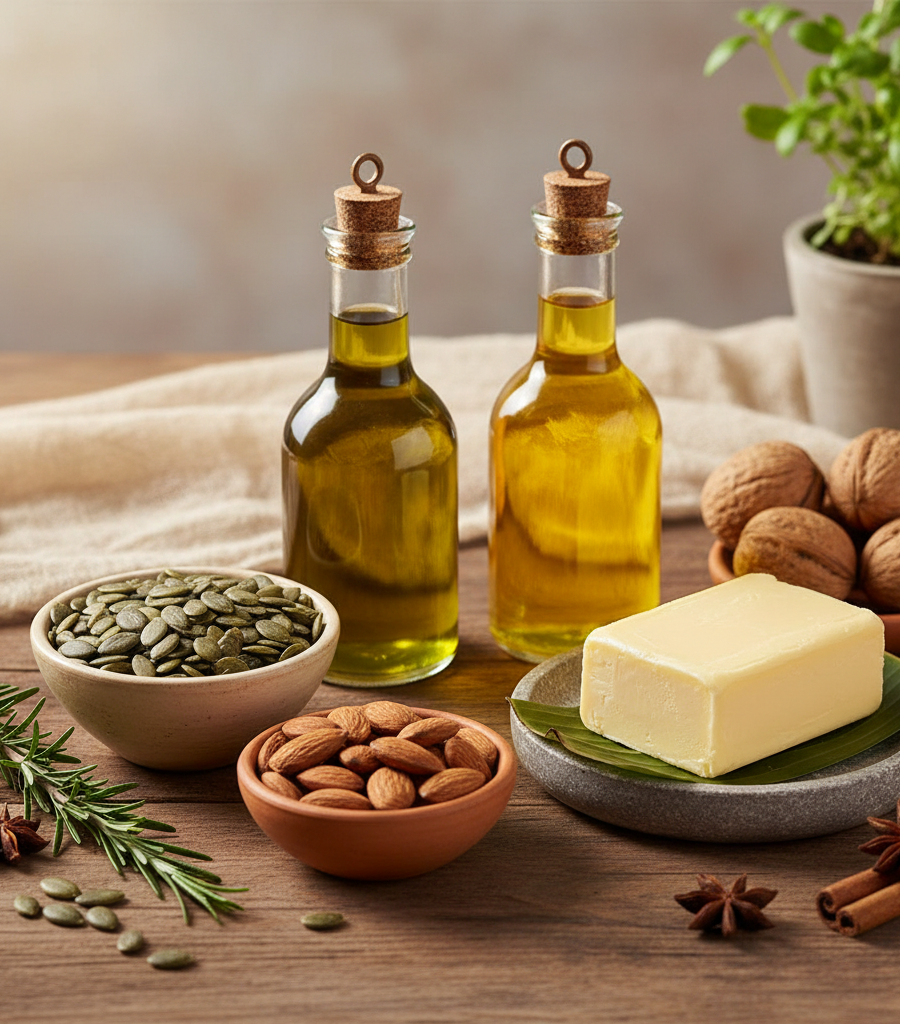
Vitamin E, also known as the fertility vitamin, is a powerful protector of our cells.
Main benefits: It is a powerful antioxidant, protects the reproductive system, rejuvenates the skin, and gives vitality. A true fountain of youth, I would say.
Best natural sources: Cold-pressed oils (olive, sunflower), pumpkin seeds, almonds, walnuts, and butter.
Recommended daily dose: From 30 to 50 mg.
Enemy of Vitamin E: Rancidity (oxidation) of fats and long-term storage (canning) greatly reduce its effect.
10. Vitamin K: Protector of the Blood
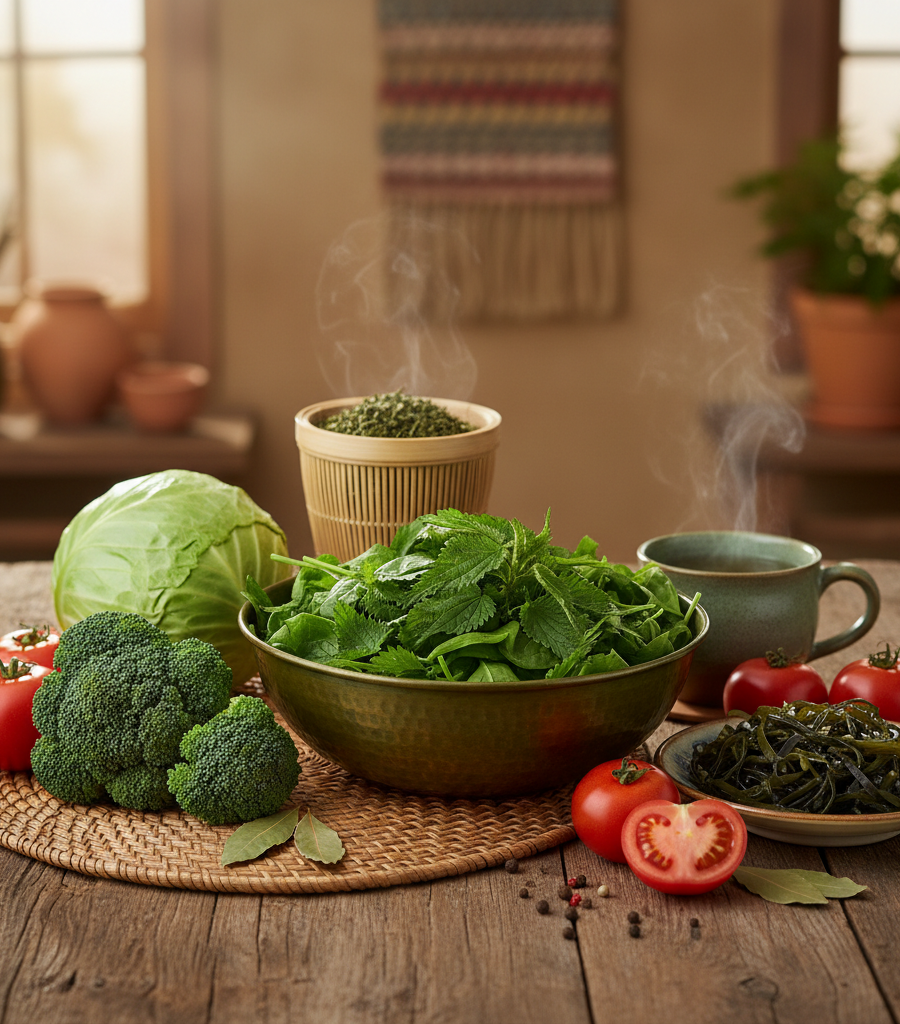
Vitamin K is often overlooked, but its role in blood health is crucial.
Main benefits: Necessary for blood clotting (coagulation), helps with fast wound healing, and contributes to healthy bones.
Best natural sources: Nettle, spinach, cabbage, broccoli, algae, green tea, and tomatoes. I especially want to emphasize that green leafy vegetables are true champions in this regard.
Recommended daily dose: From 1 to 2 mg.
Enemy of Vitamin K: Long-term thermal processing and exposure to daylight.
The Approach: Why Synthetics Aren't Enough?
In the modern world, our food is often poor in nutrients, partly due to depleted soil and excessive use of pesticides. Therefore, many logically reach for synthetic vitamins. But Ayurveda teaches us something fundamental: "You are not what you eat, but what you digest and absorb."
Synthetic vitamins, unfortunately, often have low bioavailability. This means the body does not recognize them as natural and simply excretes them without utilizing them fully.
How Helps in Vitamin Replenishment?
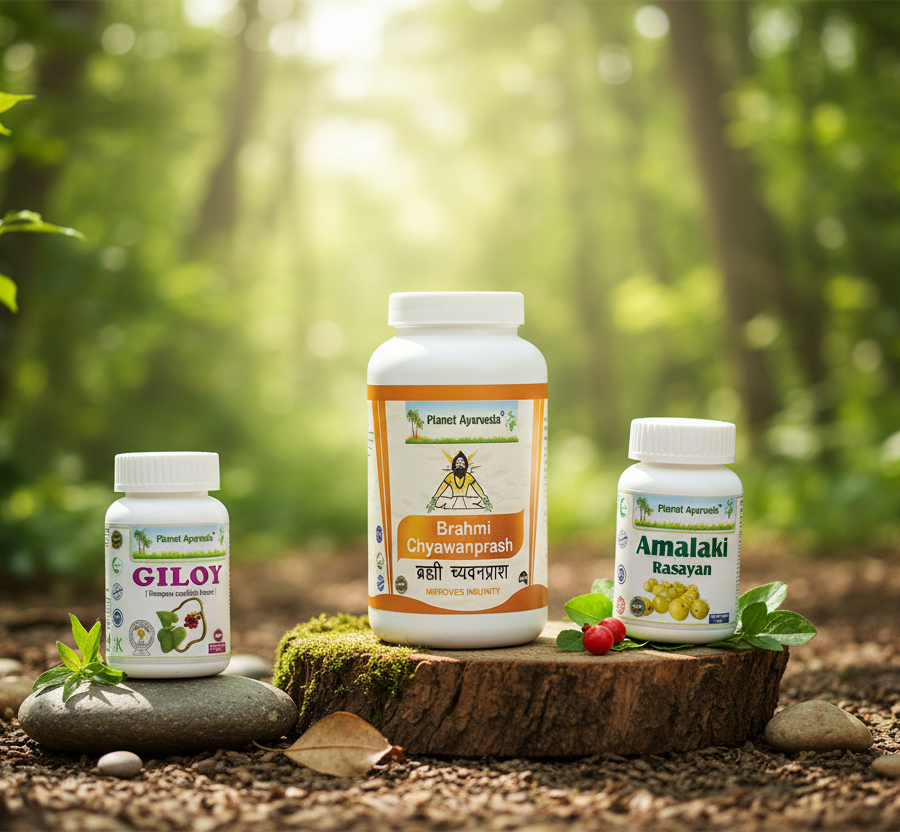
We at deeply believe in the power of nature in its purest form (through standardized extracts), which the body easily recognizes and fully utilizes. Here are some of our top products that are true natural "vitamin bombs":
Amalaki Rasayan (Best source of Vitamin C): Unlike laboratory-derived ascorbic acid in tablets, Amalaki (also known as Indian gooseberry) is the richest natural source of vitamin C in the world. Believe me, this is not just marketing; Amalaki also contains tannins that help vitamin C stay in the body for a longer time, strengthening immunity and rejuvenating cells, and it is even thermally stable.
Brahmi Chyawanprash (Ayurvedic "Multivitamin" for body and mind): This is an ancient formula, a kind of jam, which besides Amla (rich in Vitamin C), contains dozens of other medicinal herbs. Known as the "elixir of life," this product not only provides a wide spectrum of phytonutrients and vitamins but also improves memory, energy, and strengthens the body's resistance – a true elixir for overall health.
Kumari Saar (Aloe Vera - A Treasury of Vitamins): Pure Aloe Vera juice is one of the rare plant sources that naturally contains Vitamin B12, which is quite surprising. Besides B12, it abounds in vitamins A, C, E, and folic acid. Kumari Saar helps in blood detoxification, improves digestion (which is, to repeat, key for the absorption of all other vitamins), and hydrates the skin from within, giving it a natural glow.
Giloy (Guduchi - Root of Immortality): This herb is a powerful immunomodulator. Although not a classic "vitamin," Giloy is essential for maintaining a strong immune system, especially in virus seasons, and helps the body fight infections more efficiently, acting synergistically with a healthy diet. I consider this a key supplement for modern immunity challenges.
Conclusion
At the end of the day, health doesn't come from a single pill, but from the wise use of what nature offers us. Pay attention to how you prepare food to preserve its precious ingredients. And if you need additional support, choose natural, 100% organic supplements – they work in synergy with your body, not against it. Personally, I believe this is the path to true balance and vitality.
Literature and Scientific Research Used:
This text is based on scientific knowledge of nutrition and Ayurvedic medicine. Below you can see the sources for detailed verification:
1. General information on vitamins and recommended doses:
Harvard T.H. Chan School of Public Health: The Nutrition Source – Vitamins and Minerals. [Link to source: https://www.hsph.harvard.edu/nutritionsource/vitamins/]
National Institutes of Health (NIH): Dietary Supplement Fact Sheets. [Link to source: https://ods.od.nih.gov/factsheets/list-all/]
2. Impact of cooking and temperature on vitamins:
PubMed (NCBI): Effect of different cooking methods on the content of vitamin C and vitamin B. (Study on how cooking destroys vitamins C and B). [Link to source: https://www.ncbi.nlm.nih.gov/pmc/articles/PMC6049644/]
Journal of Food Science: Stability of Vitamin B12 and B-Complex in food processing. [Link to source: https://pubmed.ncbi.nlm.nih.gov/]
3. Scientific research on Ayurvedic herbs (ingredients):
For Amalaki (Emblica officinalis): Ascorbic acid (Vitamin C) content in Amla and its antioxidant properties. [Link to source: https://www.ncbi.nlm.nih.gov/pmc/articles/PMC3249924/]
For Aloe Vera (Kumari): Therapeutic and Medicinal Uses of Aloe vera: A Review. [Link to source: https://www.ncbi.nlm.nih.gov/pmc/articles/PMC6330525/]
For Tinospora cordifolia (Giloy): Immunomodulatory properties of Tinospora cordifolia. [Link to source: https://www.ncbi.nlm.nih.gov/pmc/articles/PMC3644751/]
Available in the US
Products in this area of wellness
Traditionally used in the areas this article covers. They are not treatments for any condition, and nothing here is a recommendation for you specifically.
Disclosure: some links below are affiliate links. If you buy through them, AyurvedaGrid may earn a commission at no extra cost to you, and those products are listed first. Which products are relevant at all comes from the topic of the article — nothing here is a recommendation for you specifically.
- Golden Monkey Ghee (Clarified Butter)(opens in a new tab)affiliateSri Sri Tattva USA· Ghee
Food and drink for everyday nourishment — everyday cooking fat
- Ojasvita Herbal Health Drink - Chocolate(opens in a new tab)affiliateSri Sri Tattva USA· Drink Mix
Food and drink for everyday nourishment — daily nourishing drink
- Ojasvita Herbal Health Drink - Golden Spiced Latte(opens in a new tab)affiliateSri Sri Tattva USA· Drink Mix
Food and drink for everyday nourishment — warming spiced drink
These statements have not been evaluated by the Food and Drug Administration. These products are not intended to diagnose, treat, cure or prevent any disease. Speak to your own healthcare provider before starting a supplement, particularly if you are pregnant, nursing, or taking medication.
Continue reading
 Ayurvedic Basics & Doshas
What is Ayurveda: A Complete Guide for Beginners and Healthy Living
Discover the power of Ayurveda: A comprehensive guide to the 5,000-year-old "Science of Life." Learn how to identify your unique doshas (Vata, Pitta, and Kapha), how to kindle your digestive fire (Agni), and how to integrate ancient rituals and powerful herbs into a modern lifestyle for perfect balance and longevity.
 Ayurveda
Turmeric as a Remedy: Benefits, Uses, and Best Recipes
This blog post serves as a comprehensive guide to the power of the "golden spice" – turmeric. The text explains in detail the anti-inflammatory and antioxidant properties of curcumin, its application for chronic pain, digestive issues, and boosting immunity. In addition to scientific facts, the post offers practical recipes for "golden milk" and tea, as well as recommendations for high-quality supplements for maximum results.
 Ayurveda
Natural home remedies everyone should know: Your kitchen as a pharmacy
Discover 19 simple and powerful home remedies from your kitchen that help with coughing, digestive issues, headaches, and boosting immunity. Learn how the ancient Ayurvedic wisdom can help you improve your health in a natural way.
Your Ayurvedic overview
Curious about your own constitution?
Take the free guided assessment and receive your personal Ayurvedic overview — about ten minutes, private to your account.
Start Your Journey