
Vitamin B1 Deficiency: Symptoms, Causes, and Natural Solutions

When we talk about micronutrients that play a key role in our health, vitamin B1, scientifically known as thiamine, is definitely one of the most important. Imagine it as a "key driver" in your body – it converts carbohydrates and proteins from food into pure energy (ATP), which is essential for our daily functions. Since our body cannot produce it on its own and stores only minimal amounts, consistent intake through diet, and supplementation if necessary, is of vital importance.
In this text, we will delve deeper into the symptoms of its deficiency, discover which groups of people are most at risk, and, most interestingly, how the natural wisdom of Ayurveda can significantly help in restoring this important balance.
Why is Thiamine So Irreplaceable?
Thiamine is not just important for one function – it is essential for the proper growth, development, and functioning of literally all cells in our body. It is exceptionally critical for:
Energy Metabolism: It is the one that converts the food you eat into fuel for your muscles and your brain, enabling you to function.
Nervous System Function: Without enough thiamine, the transmission of nerve signals can be disrupted, which can have serious consequences.
Heart Health: Thiamine helps the heart muscle stay strong and efficient in pumping blood throughout the body.
Main Signs and Symptoms of Vitamin B1 Deficiency
When the body feels a lack of thiamine, the first "victims" are those organs that consume the most energy: the brain and the heart.

1. Beriberi: The Classic Diagnosis of Severe Deficiency
This is the most well-known condition associated with serious thiamine deficiency. There are two main forms:
Wet Beriberi: This form primarily attacks the cardiovascular system, manifesting as rapid heartbeat, swelling of the lower extremities (edema), and, in the most severe cases, leading to heart failure.
Dry Beriberi: Characterized by nerve damage, resulting in loss of muscle strength, unpleasant tingling in the hands and feet, and even temporary paralysis.
2. Neurological Disorders and Psychosis
When thiamine is lacking, the utilization of glucose by the central nervous system can drop drastically, by as much as 50-60%. This causes swelling of nerve cells, which can lead to a range of problems, including:
Memory loss and confusion.
Frequent irritability and a feeling of chronic fatigue, regardless of how much you sleep.
Muscle atrophy and pronounced weakness.
3. Gastrointestinal Problems
Some of the first, more subtle signs that the body lacks B1 can be decreased appetite and constant nausea. Your body is trying to tell you something!
Who is at the Highest Risk of Deficiency?
Thiamine deficiency is not always just the result of a poor diet. Very often, the problem lies in the absorption of the vitamin. Here are the groups most at risk:
Chronic Alcoholics: Alcohol not only blocks absorption but also depletes the body's already small reserves.
Diabetics and the Elderly: Increased excretion of the vitamin through urine is often observed in these groups.
Pregnant Women: Due to the increased needs of the body during this period and frequent vomiting, the risk is higher.
Patients on Dialysis or After Bariatric Surgery.
Lifestyle Habits: Excessive consumption of coffee, black tea, and smoking, for example, can significantly slow down thiamine uptake.
Stress and Physical Exertion: Intense physical training and psychological stress drastically increase B1 consumption – the body uses more to cope with the situation.
How to Ensure Sufficient Thiamine Intake?
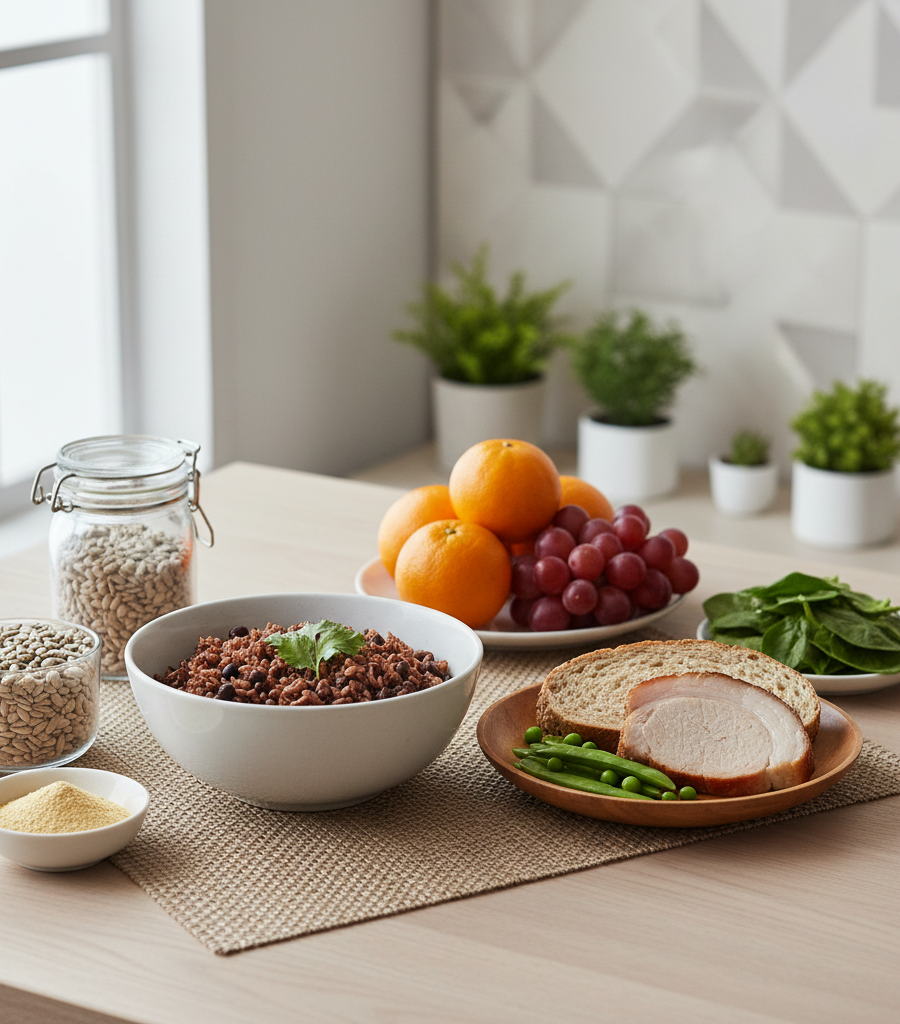
Fortunately, vitamin B1 is present in many foods. Particularly rich sources include:
Whole grains, yeast, and legumes.
Nuts and asparagus.
Eggs, meat, and milk.
Important Note: Thiamine is heat-sensitive, meaning it breaks down at high temperatures, especially during long cooking. Consider the method of food preparation to preserve this valuable vitamin.
Ayurvedic Approach and Natural Solutions
Ayurveda offers an interesting perspective on this problem. According to this ancient science, lack of energy and neurological symptoms are often associated with an imbalance of Vata dosha. When the body does not process nutrients properly, "Ama" (toxins) accumulates and "Ojas" (vital energy) weakens. This is, in my opinion, very logical and concerning.
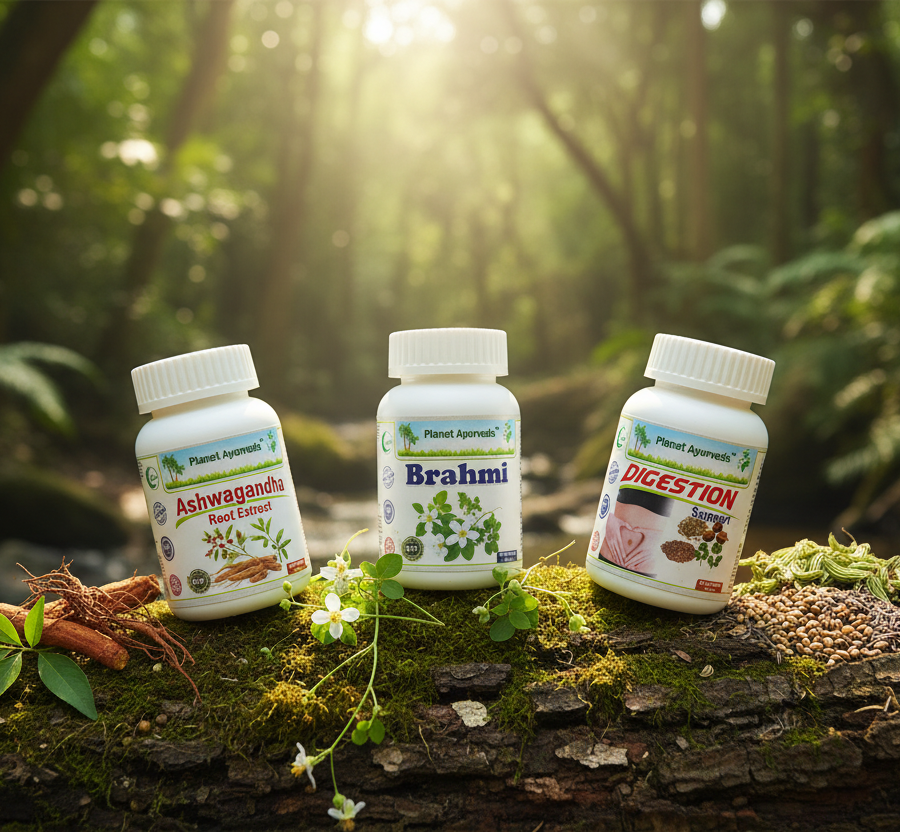
To improve nutrient absorption and simultaneously support the nervous system, suggests natural supplements that act synergistically with B-complex vitamins:
Ashwagandha: This is the most powerful adaptogen that helps the body cope with stress (which, as mentioned, consumes B1) and strengthens nerve fibers. Experience shows it helps a lot.
Brahmi: Ideal for supporting brain function and nerve cell regeneration, especially in individuals with pronounced neurological symptoms. I believe its effect is very significant.
Digestion Support: If the deficiency is due to poor absorption in the intestines, this preparation is designed to optimize the digestive fire (Agni), which will help in the overall absorption of nutrients. From my point of view, this is key to a long-term solution.
Conclusion
At the end of the day, vitamin B1 is extremely important – it is the fuel that runs your engine. If you feel chronic fatigue, uncomfortable muscle weakness, or are constantly exposed to stress, it might be time to seriously consider your thiamine intake. Sometimes, the best solution is to help your body with the pure, centuries-old wisdom of nature – something we often forget in our fast-paced modern life.
References and Scientific Sources
National Institutes of Health (NIH) - Office of Dietary Supplements Official government guide for health professionals containing recommended daily allowances (RDA), deficiency symptoms, and risk groups.
Harvard T.H. Chan School of Public Health Detailed overview of thiamine's role in metabolism and the impact of diet on its absorption.
Mayo Clinic Clinical review of Beriberi and Wernicke-Korsakoff syndrome symptoms as a consequence of B1 deficiency.
ScienceDirect / Journal of Neurological Sciences Scientific studies on thiamine's impact on the central nervous system and the consequences of nerve cell damage (neuropathy).
World Health Organization (WHO) Technical report on the diagnosis and treatment of thiamine deficiency in various populations.
PubMed Central (PMC) Research on the link between diabetes and increased thiamine excretion through the kidneys.
Frequently Asked Questions (FAQ)
1. What are the first signs of Vitamin B1 deficiency? The first symptoms are often subtle and include loss of appetite, unusual fatigue, irritability, and difficulty concentrating. If the deficiency continues, tingling in the hands and feet (paresthesia) and muscle weakness may occur.
2. What is Beriberi disease? Beriberi is a severe condition caused by long-term thiamine deficiency. There are two types: "wet" Beriberi, which affects the heart and circulation (causing swelling and heart failure), and "dry" Beriberi, which damages the nerves and can lead to loss of muscle tone and paralysis.
3. Why does alcohol affect Vitamin B1 levels? Alcohol is one of thiamine's greatest enemies. It interferes with the absorption of the vitamin in the intestines and reduces the liver's ability to store it, which very quickly leads to deficiency in individuals who frequently consume alcohol.
4. Do coffee and tea interfere with B1 absorption? Yes, certain compounds called anti-thiamine factors (such as tannins in coffee and tea) can deactivate thiamine in the digestive system. Therefore, it is recommended to consume these beverages in moderation and away from meals.
5. How does Ayurveda help with B-vitamin deficiency symptoms? Ayurveda focuses on strengthening "Agni" (digestive fire) for better nutrient absorption. Herbs like Ashwagandha and Brahmi from the range help in regenerating the nervous system and reducing stress, which is a major "consumer" of B-complex vitamins.
6. What is the recommended daily dose of Vitamin B1? For adult men, about 1.2 mg per day is recommended, and for women, about 1.1 mg. Needs increase for pregnant and breastfeeding women (up to 1.4 mg), as well as for individuals exposed to great physical and mental exertion.
Available in the US
Products in this area of wellness
Traditionally used in the areas this article covers. They are not treatments for any condition, and nothing here is a recommendation for you specifically.
Disclosure: some links below are affiliate links. If you buy through them, AyurvedaGrid may earn a commission at no extra cost to you, and those products are listed first. Which products are relevant at all comes from the topic of the article — nothing here is a recommendation for you specifically.
- Golden Monkey Ghee (Clarified Butter)(opens in a new tab)affiliateSri Sri Tattva USA· Ghee
Food and drink for everyday nourishment — everyday cooking fat
- Ojasvita Herbal Health Drink - Chocolate(opens in a new tab)affiliateSri Sri Tattva USA· Drink Mix
Food and drink for everyday nourishment — daily nourishing drink
- Ojasvita Herbal Health Drink - Golden Spiced Latte(opens in a new tab)affiliateSri Sri Tattva USA· Drink Mix
Food and drink for everyday nourishment — warming spiced drink
These statements have not been evaluated by the Food and Drug Administration. These products are not intended to diagnose, treat, cure or prevent any disease. Speak to your own healthcare provider before starting a supplement, particularly if you are pregnant, nursing, or taking medication.
Continue reading
 Ayurvedic Basics & Doshas
What is Ayurveda: A Complete Guide for Beginners and Healthy Living
Discover the power of Ayurveda: A comprehensive guide to the 5,000-year-old "Science of Life." Learn how to identify your unique doshas (Vata, Pitta, and Kapha), how to kindle your digestive fire (Agni), and how to integrate ancient rituals and powerful herbs into a modern lifestyle for perfect balance and longevity.
 Ayurveda
Turmeric as a Remedy: Benefits, Uses, and Best Recipes
This blog post serves as a comprehensive guide to the power of the "golden spice" – turmeric. The text explains in detail the anti-inflammatory and antioxidant properties of curcumin, its application for chronic pain, digestive issues, and boosting immunity. In addition to scientific facts, the post offers practical recipes for "golden milk" and tea, as well as recommendations for high-quality supplements for maximum results.
 Ayurveda
Natural home remedies everyone should know: Your kitchen as a pharmacy
Discover 19 simple and powerful home remedies from your kitchen that help with coughing, digestive issues, headaches, and boosting immunity. Learn how the ancient Ayurvedic wisdom can help you improve your health in a natural way.
Your Ayurvedic overview
Curious about your own constitution?
Take the free guided assessment and receive your personal Ayurvedic overview — about ten minutes, private to your account.
Start Your Journey