
Tomato seeds and kidney stones: Myth or real danger?
Medically reviewed by Dr Girish Shirke, M.D. (Ayurved)September 5, 2026

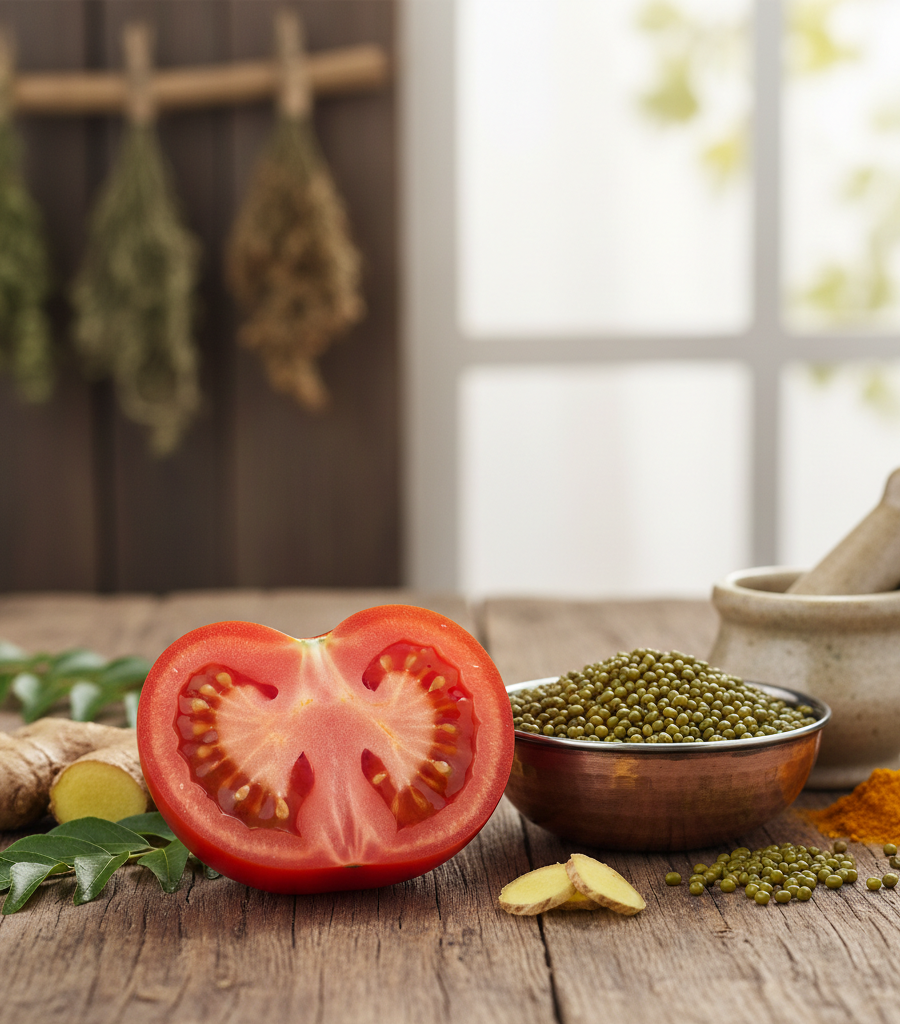
Whether you love them in a fresh Shopska salad, as a base for delicious sauces, or as an addition to warm stews, they bring a unique freshness and richness of flavor to every meal. Given that they are an excellent source of lycopene (a powerful antioxidant), vitamins C and K, potassium, and dietary fiber, tomatoes are rightly considered a superfood.
However, for decades, a belief has circulated that makes many hesitate before enjoying them: Do tomato seeds cause kidney stones? In this text, we will uncover the scientific truth and, for those seeking natural solutions, offer an Ayurvedic approach to kidney health.
What are kidney stones and how do they form?
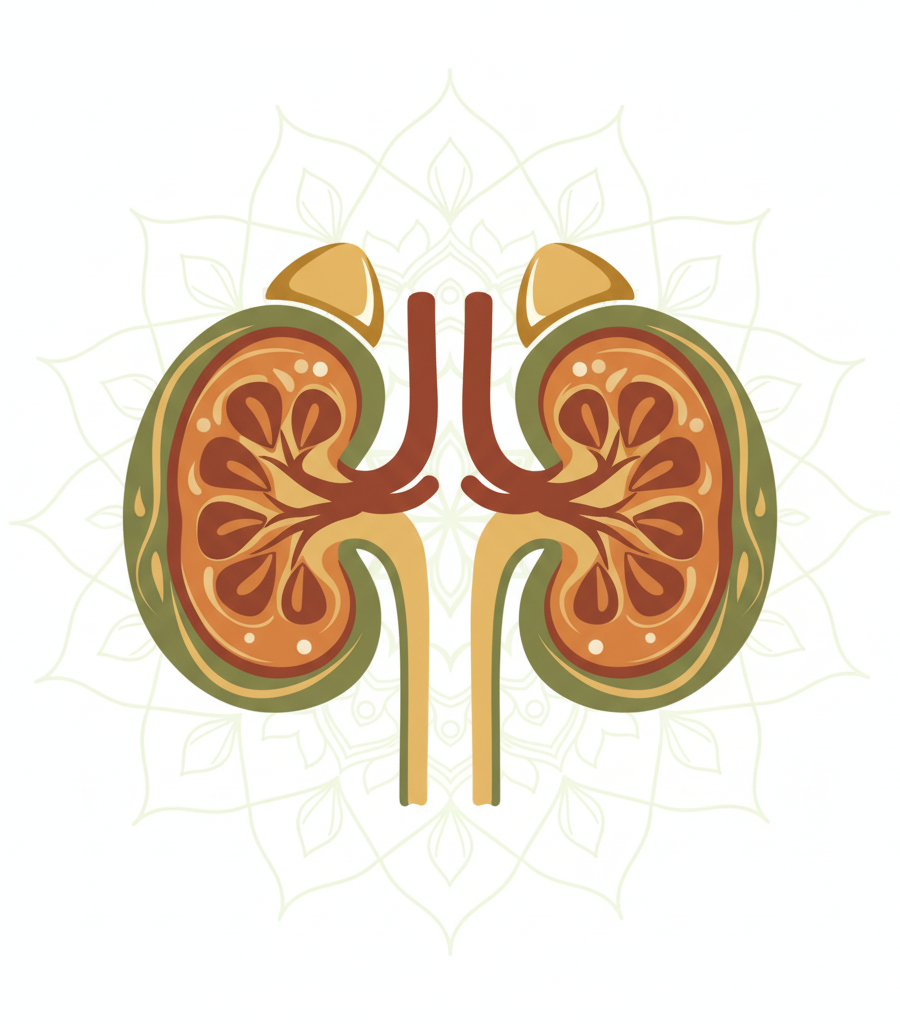
Kidney stones, also known as nephrolithiasis, are actually solid deposits formed from minerals and acid salts that accumulate inside the kidneys. Most commonly, these are calcium-oxalate stones.
It is important to know that this process does not happen overnight. On the contrary, crystals accumulate over months or even years, creating formations that can eventually obstruct the normal flow of urine. When a stone begins to move through the urinary tract, it causes pain often described as one of the most intense a person can experience – many even compare it to labor pains.
Main risk factors for kidney stones:
Genetic predisposition.
Dehydration (insufficient fluid intake).
A diet too rich in salt and protein.
Certain medical conditions such as diabetes, obesity, and high blood pressure.
The truth about oxalates in tomato seeds: Debunking the myth
The main "culprit" in this long-standing debate is, of course, oxalates. These are natural compounds found in many plants that can bind with calcium in the urine, potentially leading to stone formation.
But here is the scientific truth: according to reports from the National Institute of Diabetes and Digestive and Kidney Diseases (NIDDK), in healthy individuals, consuming tomatoes has absolutely no connection to stone formation. I believe this is a key piece of information that should put an end to the speculation.
Why then are tomatoes not dangerous for the kidneys?
Low oxalate levels: Although they contain oxalates, the amount is truly minimal – only 5.3 mg per 100 g of tomatoes. To give you a better idea, spinach contains over 900 mg per 100 g!
Low absorption: Our body absorbs a very small portion of the oxalates present in tomato seeds.
Excellent hydration: Tomatoes consist of about 94% water, which actually actively helps in hydrating the body and flushing out toxins.
Additionally, the University of Pittsburgh suggests that the safe daily intake of oxalates for people prone to stones is up to 50 mg. This means you would have to eat truly enormous quantities of tomatoes to even come close to the "dangerous" limit, which is almost impossible in a normal diet.
When should you still be careful?
Although tomatoes are perfectly safe for most people, there are a few exceptions where caution is needed:

Individuals with chronic kidney disease: These patients often have trouble regulating potassium levels. Since tomatoes are rich in potassium, its accumulation in the blood can be dangerous for heart rhythm.
People with a history of calcium-oxalate stones: If you have already had this problem, your body has more difficulty maintaining the balance of minerals in liquid form. In this case, moderation and focusing on low-oxalate foods are recommended.
The Ayurvedic approach: Natural help for kidney stones
Ayurveda treats kidney stones (Vrukka Ashmari) as a result of an imbalance of the doshas and the accumulation of toxins (Ama). Instead of just treating the symptoms, Ayurveda focuses on breaking down the stones and preventing their recurrence. In my experience, this holistic approach is often very effective.
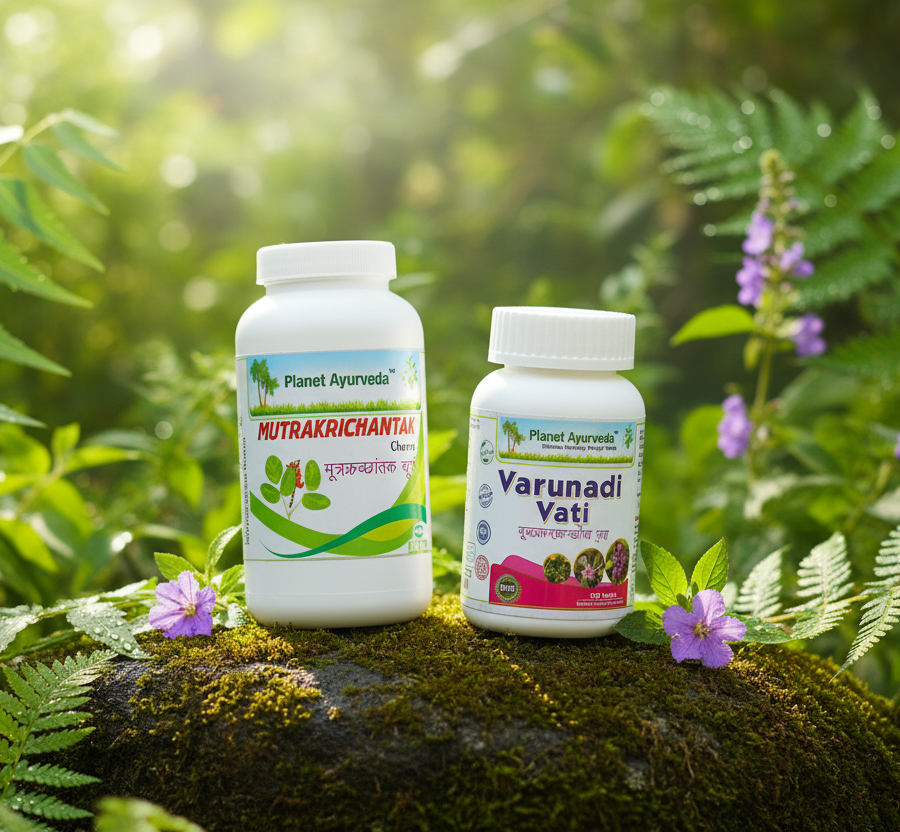
In the range, two products stand out as top natural support for the urinary system:
1. Mutrakrichantak Churna
This is a powerful herbal blend that acts as a natural diuretic, which is particularly useful.
How it helps: It effectively helps in "flushing" the kidneys and urinary tracts.
Benefits: It reduces inflammation, helps in the easier expulsion of sand and small stones, and improves the function of kidney nephrons. It contains extremely important herbs like Varun and Punarnava which are key for kidney regeneration.
2. Varunadi Vati
These tablets are based on the famous herb Varun (Crataeva nurvala), which in Ayurveda is declared a "stone breaker" – quite an impressive name, isn't it?
How it helps: Varunadi Vati acts lithotriptically, meaning it helps in breaking down already formed stones and reduces the production of oxalates in the body.
Benefits: It alleviates painful urination and prevents urine stagnation, which is the main prerequisite for creating new deposits.
Prevention tips: What can you do today?
Drink plenty of water: My most important advice is to consume at least 2-2.5 liters of water daily to keep the urine diluted. This is the simplest and most important step.
Reduce salt intake: Salt forces the body to expel more calcium through the urine, which is not good at all.
Consider natural supplementation: Proven Ayurvedic formulas like Mutrakrichantak Churna and Varunadi Vati can be excellent support for maintaining a clean urinary tract.
Have a balanced diet: There is no reason to completely eliminate tomatoes, but be careful with extremely high sources of oxalates like spinach and chocolate, especially if you already have a tendency toward stones.
Conclusion: From all the evidence we have reviewed, it is clear that tomatoes are not enemies of your kidneys. On the contrary, they are an important part of a healthy diet. The key, as with everything in life, is in moderation, good hydration, and, if necessary, the right support from nature.
Are you facing kidney pain or simply want a natural detoxification? I encourage you to look at our product range from and consult with an expert for proper use.
References and scientific sources
1. General information on kidney stones and diet
National Institute of Diabetes and Digestive and Kidney Diseases (NIDDK). Eating, Diet, & Nutrition for Kidney Stones. Link to source
Mayo Clinic. Kidney stones - Symptoms and causes. Link to source
2. Oxalate content in food and tomatoes
Harvard T.H. Chan School of Public Health. Oxalate content of foods. (Detailed table for low oxalate levels in tomatoes). Link to source
University of Pittsburgh Medical Center (UPMC). Low Oxalate Diet for Kidney Stones. Link to source
3. Studies on the impact of potassium in kidney patients
National Kidney Foundation. Potassium and Your CKD Diet. (Why tomatoes are avoided in advanced kidney disease). Link to source
4. Scientific research on Ayurvedic herbs (Varun and Punarnava)
Journal of Ethnopharmacology / PubMed (NCBI). Clinical study on the effect of Crataeva nurvala (Varun) in the management of urolithiasis. Link to source
International Quarterly Journal of Research in Ayurveda (AYU). A clinical study on the role of Punarnavadi Compound in the management of Nephrotic Syndrome. Link to source
5. Data on the nutritional value of tomatoes
USDA (United States Department of Agriculture). FoodData Central: Tomatoes, raw. Link to source
Available in the US
Products in this area of wellness
Traditionally used in the areas this article covers. They are not treatments for any condition, and nothing here is a recommendation for you specifically.
Disclosure: some links below are affiliate links. If you buy through them, AyurvedaGrid may earn a commission at no extra cost to you, and those products are listed first. Which products are relevant at all comes from the topic of the article — nothing here is a recommendation for you specifically.
- Punarnava - Kidney & Skincare(opens in a new tab)affiliateSri Sri Tattva USA· Tablet
Supports urinary and kidney comfort — normal fluid balance
- UriCare®(opens in a new tab)Himalaya Wellness USA
Supports urinary and kidney comfort — urinary comfort
- Gokshuradi Guggul(opens in a new tab)Planet Ayurveda· Tablet
Supports urinary and kidney comfort — comfortable urinary flow
These statements have not been evaluated by the Food and Drug Administration. These products are not intended to diagnose, treat, cure or prevent any disease. Speak to your own healthcare provider before starting a supplement, particularly if you are pregnant, nursing, or taking medication.
Continue reading
 Ayurvedic Basics & Doshas
What is Ayurveda: A Complete Guide for Beginners and Healthy Living
Discover the power of Ayurveda: A comprehensive guide to the 5,000-year-old "Science of Life." Learn how to identify your unique doshas (Vata, Pitta, and Kapha), how to kindle your digestive fire (Agni), and how to integrate ancient rituals and powerful herbs into a modern lifestyle for perfect balance and longevity.
 Ayurveda
Turmeric as a Remedy: Benefits, Uses, and Best Recipes
This blog post serves as a comprehensive guide to the power of the "golden spice" – turmeric. The text explains in detail the anti-inflammatory and antioxidant properties of curcumin, its application for chronic pain, digestive issues, and boosting immunity. In addition to scientific facts, the post offers practical recipes for "golden milk" and tea, as well as recommendations for high-quality supplements for maximum results.
 Ayurveda
Natural home remedies everyone should know: Your kitchen as a pharmacy
Discover 19 simple and powerful home remedies from your kitchen that help with coughing, digestive issues, headaches, and boosting immunity. Learn how the ancient Ayurvedic wisdom can help you improve your health in a natural way.
Your Ayurvedic overview
Curious about your own constitution?
Take the free guided assessment and receive your personal Ayurvedic overview — about ten minutes, private to your account.
Start Your Journey