
Stress and cholesterol: How nervousness increases blood fat levels?
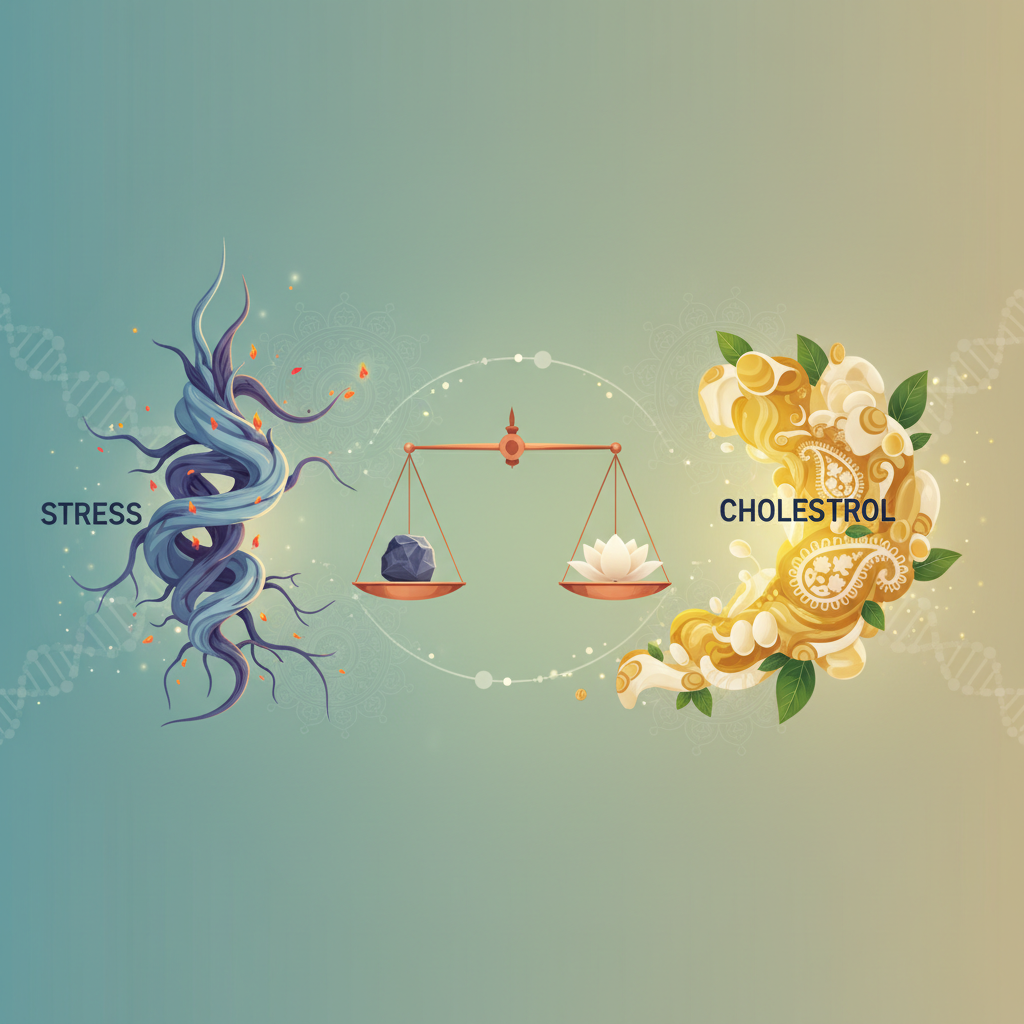
Have you ever thought that your inner peace is directly linked to the health of your arteries? It is common to think that food is the only culprit for high cholesterol, but science confirms otherwise: chronic stress plays a key role in increasing blood fats. This is not something we should ignore.
In this text, we will explore exactly how stress changes the lipid profile in our body and what we can do to protect ourselves.

Why is stress such a silent but dangerous enemy of cholesterol?
Interestingly, when we are under stress, our body does not distinguish between a real physical threat and the pressure of a work deadline. A cascade of physiological reactions is immediately activated, changing hormonal levels. These changes, unfortunately, directly affect the way the body produces and processes fats. It sounds complicated, but the essence is that stress literally confuses our metabolic processes.
Key risk factors for high cholesterol – let's not forget them
Before we dive deep into the link between stress and cholesterol, it is very important to remember other common factors:
Genetics: If you have a family history of cardiovascular disease, the chances are higher.
Body weight: Being overweight, especially obesity, is a major risk.
Metabolic conditions: Type 2 diabetes is often associated with cholesterol problems.
Lifestyle habits: Smoking and a sedentary lifestyle are classic culprits.
The biological background: How does the body react to stress?
As soon as our brain senses danger or stress, it immediately activates the well-known "fight or flight" response. This is an ancient mechanism involving the release of several key hormones:
Adrenaline (Epinephrine): This hormone immediately speeds up the heart and increases blood pressure.
Cortisol: Also called the "stress hormone." Its role is to stimulate the liver to produce more glucose and fatty acids, in order to give the body quick energy to face the "threat."
How does cortisol affect "bad" LDL cholesterol?
The problem occurs when we are exposed to high cortisol levels long-term. This can cause several unwanted effects:
Increased appetite: Many people under stress reach for foods high in sugars and saturated fats, so-called "comfort food."
Abdominal obesity: It has been noted that high cortisol contributes to fat accumulation around the abdomen.
Hemoconcentration: This is a condition where blood components (including cholesterol) become more concentrated in the bloodstream due to stress.
An interesting fact: A 2013 study conducted on over 90,000 people found that those with high job stress had significantly higher levels of LDL (bad) cholesterol and triglycerides. This is a serious warning!
How to lower cholesterol through stress management?

For me, stress management is not just a trend or a luxury, but a real medical necessity for a healthy heart. Here are some practical steps:
1. Physical activity: Our natural shield
Exercise is powerful! Not only does it burn fat, but it also helps us flush stress toxins out of the body by releasing endorphins.
For better mood: Endorphins are natural antidepressants and reduce cortisol.
For better sleep: They help regulate the sleep cycle, which is crucial for arterial regeneration.
What activities? Running, swimming, cycling, or a simple 30-minute walk a day can work wonders.
2. Nutrition with a focus on relaxation
Instead of torturing yourself with strict diets that often only increase stress, focus on nutrition that supports your body and mind:
Antioxidants: Include plenty of berries, beans, and green vegetables.
Healthy proteins: Fish, nuts, and chicken are excellent choices.
Breathing techniques: Deep belly breathing is a quick way to send a message to the brain that you are safe, which immediately reduces cortisol production.
Natural support: The wisdom of Ayurveda
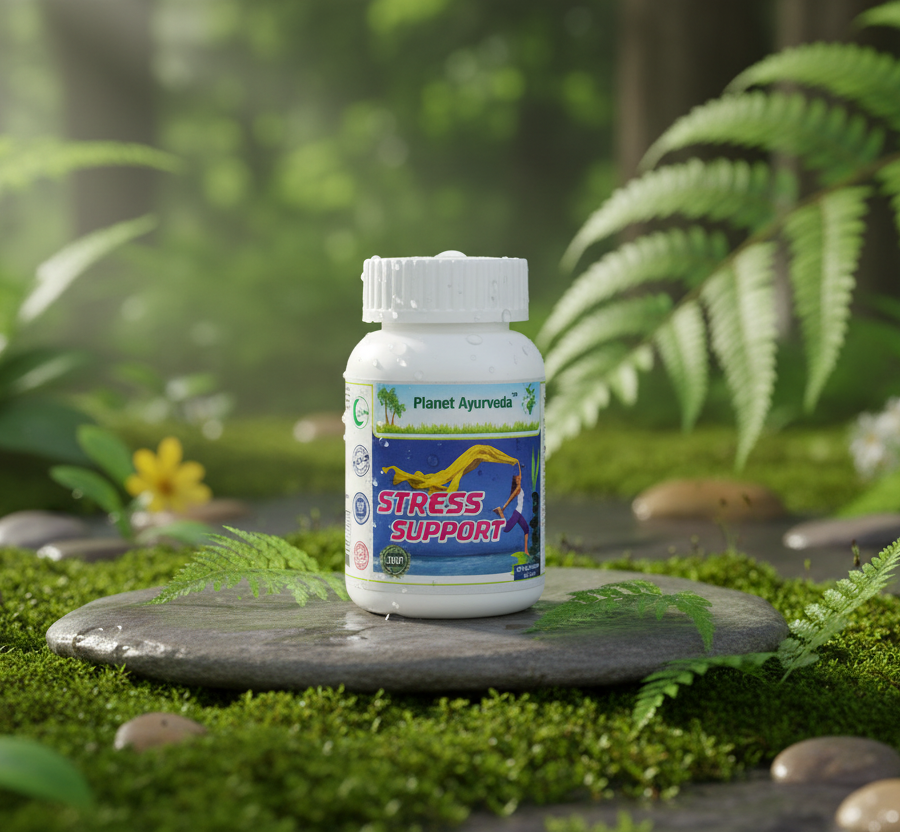
Sometimes, our nervous system needs a little extra help to return to balance. offers a product that I believe can help: Stress Support. This is a formulation based on ancient herbs with proven effects:
Ashwagandha: A powerful adaptogen that helps the body adapt to stressful situations.
Brahmi: Known for calming the mind and improving cognitive functions.
Tagar (Valerian): An excellent natural solution for better sleep and calming nervous tension.
In my opinion, Stress Support not only helps alleviate anxiety but also indirectly helps maintain healthy cholesterol levels by controlling cortisol – which is of great importance!
To conclude
Don't forget, your health is in your hands. Managing stress, a healthy diet, and the right natural supplements form a key triangle for a long and healthy life, without constant worry about high cholesterol.
Want to learn more about how natural supplements can help you? Check out our offer HERE
Literature and scientific sources used
Study on job stress and cholesterol (2013):
Title: Job Stress and Unhealthy Lipid Profile: The Modulating Role of Gender and Age.
This is the key study (mentioned in your text with 91,593 participants) confirming the direct link between professional stress and LDL cholesterol.
The impact of cortisol on lipid metabolism:
Source: American Heart Association (AHA) – Stress and Heart Health.
Explains how stress hormones trigger the release of triglycerides and fatty acids.
Hemoconcentration and acute stress:
Title: Acute stress and cholesterol: The role of hemoconcentration.
Explains how short-term stress "thickens" the blood and concentrates cholesterol levels.
Adaptogenic properties of Ashwagandha:
Title: A prospective, randomized double-blind, placebo-controlled study of safety and efficacy of a high-concentration full-spectrum extract of Ashwagandha root in reducing stress and anxiety in adults.
Scientific confirmation of the action of the key ingredient in Stress Support.
Exercise and lipid levels:
Source: Mayo Clinic – Cholesterol: Top foods to improve your numbers (and lifestyle tips).
A guide on how physical activity and diet affect "good" (HDL) cholesterol.
Available in the US
Products in this area of wellness
Traditionally used in the areas this article covers. They are not treatments for any condition, and nothing here is a recommendation for you specifically.
Disclosure: some links below are affiliate links. If you buy through them, AyurvedaGrid may earn a commission at no extra cost to you, and those products are listed first. Which products are relevant at all comes from the topic of the article — nothing here is a recommendation for you specifically.
- Arjuna – Heart & Circulatory Support(opens in a new tab)affiliateSri Sri Tattva USA· Tablet
Supports heart health and healthy circulation — heart muscle tone and healthy circulation
- CardiStrong Garlic & Coconut Oil Capsules(opens in a new tab)affiliateSri Sri Tattva USA· Capsule
Supports heart health and healthy circulation — healthy circulation and lipid balance
- Omega 3,6,9 Flaxseed Oil Cap(opens in a new tab)affiliateSri Sri Tattva USA· Capsule
Supports heart health and healthy circulation — essential fatty acids
These statements have not been evaluated by the Food and Drug Administration. These products are not intended to diagnose, treat, cure or prevent any disease. Speak to your own healthcare provider before starting a supplement, particularly if you are pregnant, nursing, or taking medication.
Continue reading
 Ayurvedic Basics & Doshas
What is Ayurveda: A Complete Guide for Beginners and Healthy Living
Discover the power of Ayurveda: A comprehensive guide to the 5,000-year-old "Science of Life." Learn how to identify your unique doshas (Vata, Pitta, and Kapha), how to kindle your digestive fire (Agni), and how to integrate ancient rituals and powerful herbs into a modern lifestyle for perfect balance and longevity.
 Ayurveda
Turmeric as a Remedy: Benefits, Uses, and Best Recipes
This blog post serves as a comprehensive guide to the power of the "golden spice" – turmeric. The text explains in detail the anti-inflammatory and antioxidant properties of curcumin, its application for chronic pain, digestive issues, and boosting immunity. In addition to scientific facts, the post offers practical recipes for "golden milk" and tea, as well as recommendations for high-quality supplements for maximum results.
 Ayurveda
Natural home remedies everyone should know: Your kitchen as a pharmacy
Discover 19 simple and powerful home remedies from your kitchen that help with coughing, digestive issues, headaches, and boosting immunity. Learn how the ancient Ayurvedic wisdom can help you improve your health in a natural way.
Your Ayurvedic overview
Curious about your own constitution?
Take the free guided assessment and receive your personal Ayurvedic overview — about ten minutes, private to your account.
Start Your Journey