
Natural Treatment for Menopause: 8 Tips for Relieving Symptoms
Medically reviewed by Dr Girish Shirke, M.D. (Ayurved)September 5, 2026

Menopause is undoubtedly a significant milestone in every woman's life. Although it is a completely natural biological process, the transition often brings a series of physical and emotional challenges. This period does not only mark the end of the reproductive phase but also opens the way to a new beginning, which in turn requires special attention to one's own health.
In this article, we will try to understand exactly what happens to our body during menopause and how to alleviate unpleasant symptoms through natural treatment while maintaining quality of life.
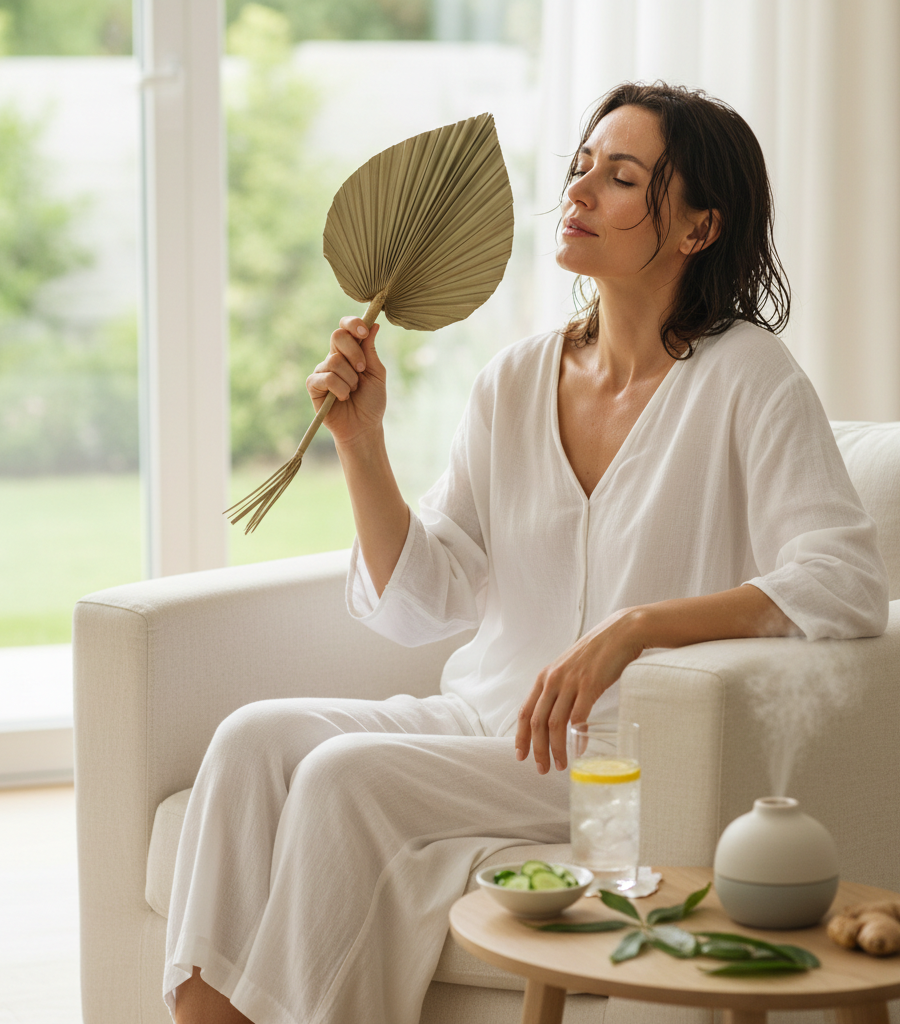
Menopause and Perimenopause: Where is the line?
The term menopause is officially used when 12 consecutive months have passed without a menstrual cycle. However, in my experience, the journey there begins much earlier, with the first changes that often surprise women.
Perimenopause: When do the changes begin?
Perimenopause is a kind of transitional period, the duration of which can vary from a few months to an entire decade (usually around 4 years). In this phase, the production of key hormones — estrogen, progesterone, and testosterone — begins to decline gradually, but this decline is uneven. These hormonal oscillations are, in fact, the main cause of the first symptoms in women, often as early as their 40s.
What are the most common symptoms you should pay attention to?
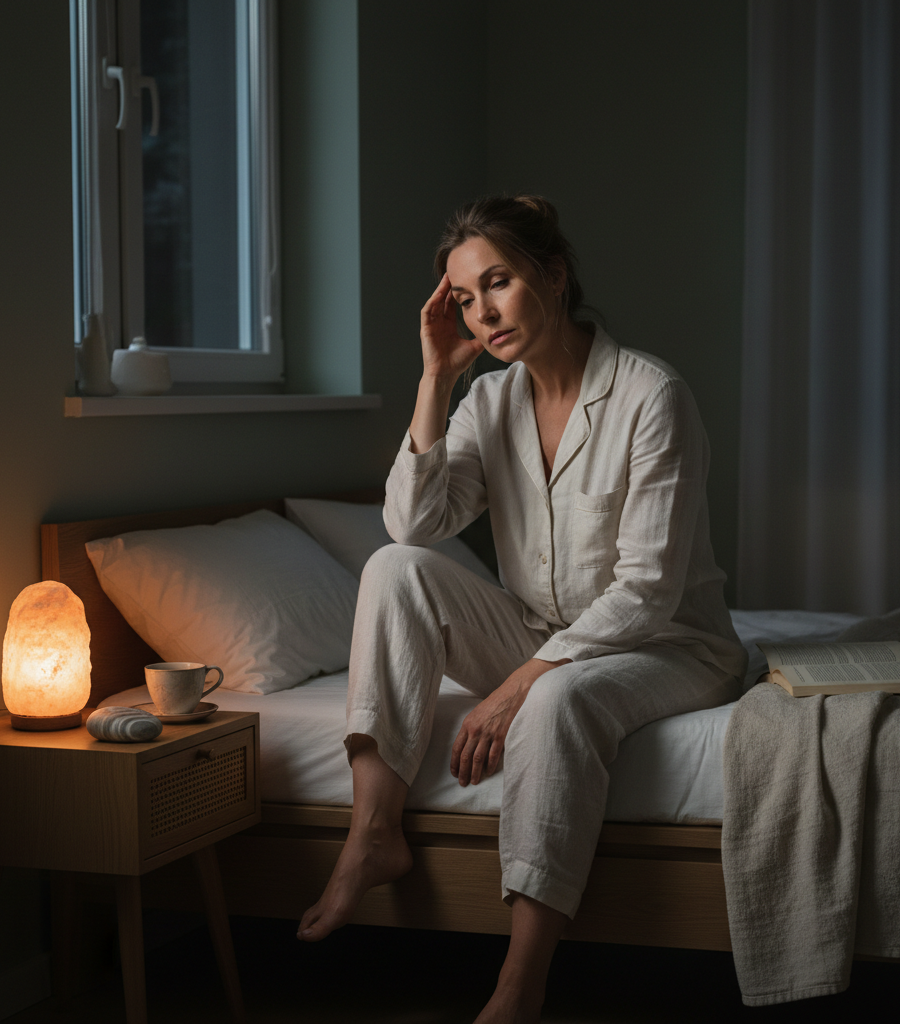
The list of symptoms can be long and very individual, but here are the ones that occur most frequently:
Hot flashes and night sweats. This is perhaps one of the most common and unpleasant symptoms.
Mood changes, increased anxiety, and even irritability.
Sleep problems, which often lead to chronic fatigue.
Vaginal dryness and decreased libido, which can affect intimate life.
Metabolic changes and the accumulation of fat deposits, especially in the abdominal area.
Thinning hair and dry skin, as estrogen plays a role in their health.
Why is health care so important during this period?
The reduction of estrogen, unfortunately, does not only affect the menstrual cycle but has a systemic impact on the entire organism. Postmenopausal women face an increased risk of:
Osteoporosis: Namely, the loss of bone density, which makes them more susceptible to fractures.
Cardiovascular diseases: Estrogen has an important protective role for the heart and blood vessels, and its reduction increases the risk.
Type 2 diabetes: Due to changes in insulin resistance, the body has more difficulty regulating blood sugar.
Fortunately, there are numerous ways to support your body through this change using natural methods and a proper lifestyle. I believe this is crucial for long-term health.
8 Natural Approaches to Alleviate Menopause Symptoms
1. Increase your intake of calcium and vitamin D – your bones will thank you.
Given the risk of osteoporosis, bone health must become an absolute priority. This is where calcium and vitamin D come in:
Calcium: Don't just focus on dairy products. Consider plant-based sources like kale, spinach, beans, and sardines. There are many delicious and healthy options!
Vitamin D: It is key for the proper absorption of calcium. Spend more time in the fresh air and sun. During the winter, however, supplementation is extremely important, as the skin synthesizes this essential vitamin more difficultly with age.
2. Maintain a healthy body weight – less is often more.

Hormonal changes inevitably slow down the metabolism. However, research shows that even moderate weight loss (about 10% of total mass) can significantly reduce hot flashes and improve sleep quality. This is a small change with big benefits!
3. Include fruits and vegetables in your diet – natural allies.
Fruits and vegetables are a true treasure trove of antioxidants and fiber that help us control weight and protect the heart. Some foods, such as flaxseeds, soy, and sesame, also contain phytoestrogens – natural compounds that act similarly to estrogen and can further help in balancing hormones.
4. Avoid symptom "triggers" – recognize and avoid them.
Certain foods and habits can sharply increase cortisol levels, causing unpleasant hot flashes. My advice is to try to limit or completely avoid:
Caffeine and strong alcohol.
Overly spicy and hot food.
Refined sugars, which often cause sharp energy drops and irritability.
5. Physical activity as medicine – movement is life.
Regular exercise, at least 30 minutes a day, doesn't just help with your figure. Exercise improves mental health, strengthens joints, and helps regulate stress, which is, in my opinion, key to a calm and pleasant menopause.
6. Watch your protein intake – the body's building material.
Loss of muscle mass is a common occurrence with aging. Proteins from meat, fish, eggs, or legumes not only help preserve muscle but also provide a longer feeling of satiety, thereby preventing overeating. It's a winning combination!
7. Ayurvedic support: The power of nature in a capsule.
Ayurveda offers a holistic approach to women's health, which I personally find fascinating. recommends products like Female Health Support and Brahmi, specially formulated for this period, which can be of great benefit.
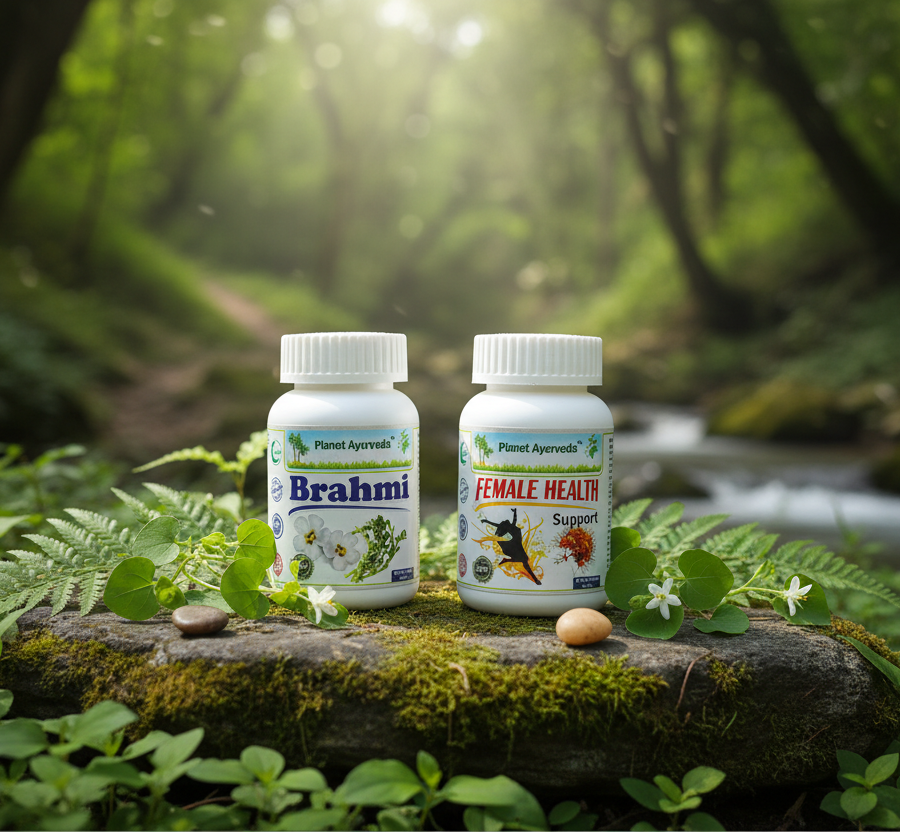
Female Health Support: This formula contains powerful herbs like Ashoka (Saraca indica), Lodhra (Symplocos racemosa), and Shatavari (Asparagus racemosus). I believe these herbs can help establish hormonal balance, support reproductive health, and soothe menstrual disorders that often precede menopause.
Brahmi (Bacopa monnieri): This herb is excellent for improving cognitive functions. It can help with "brain fog," improve concentration, and contribute to calming the mind during increased stress and anxiety.
These supplements help the body adapt to changes in a natural way, without the use of aggressive chemical substances.
Order your natural support here
8. Hydration is key – water is life.
Reduced estrogen often leads to tissue dryness. Therefore, drinking 8-12 glasses of water a day is crucial. It helps hydrate the skin, reduces bloating, and helps flush out toxins. Also, drinking water before a meal can be beneficial in the weight loss process.
Conclusion
Finally, I would like to emphasize that menopause is not a disease, but a natural phase of life that requires understanding and adjustment. With proper nutrition, regular physical activity, and support from nature through Ayurvedic herbs, I am convinced that you can pass through these years with plenty of energy, self-confidence, and vitality.
Your body deserves care — start with the changes today!
Literature and Scientific Sources Used
1. On the link between body weight and hot flashes (Study of 17,473 women):
Kroenke, C. H., et al. (2012). "Effects of a dietary intervention and weight change on vasomotor symptoms in the Women's Health Initiative." Archives of Internal Medicine.
2. On the impact of diet (fruits and vegetables) on bone health:
Ley, S. H., et al. (2009). "Associations between fruit and vegetable consumption and microvascular function." Journal of Nutrition, Health & Aging.
3. On refined carbohydrates and the risk of depression in postmenopausal women:
Gangwisch, J. E., et al. (2015). "High glycemic index diet as a risk factor for depression: analyses from the Women's Health Initiative." The American Journal of Clinical Nutrition.
4. On the benefits of Ayurvedic herbs (Shatavari and Brahmi):
O’Leary, F., et al. "Phytoestrogens and Menopause." (Review of the action of Asparagus racemosus/Shatavari).
Kongkeaw, C., et al. (2014). "Meta-analysis of randomized controlled trials on cognitive effects of Bacopa monnieri extract." Journal of Ethnopharmacology.
5. General guidelines for menopause and symptom management:
The North American Menopause Society (NAMS). "Menopause 101: A primer for the perimenopausal."
Mayo Clinic. "Menopause: Diagnosis & Treatment."
6. On the importance of Vitamin D and Calcium:
National Institutes of Health (NIH). "Calcium and Vitamin D: Important at Every Age."
Available in the US
Products in this area of wellness
Traditionally used in the areas this article covers. They are not treatments for any condition, and nothing here is a recommendation for you specifically.
Disclosure: some links below are affiliate links. If you buy through them, AyurvedaGrid may earn a commission at no extra cost to you, and those products are listed first. Which products are relevant at all comes from the topic of the article — nothing here is a recommendation for you specifically.
- Kanchanara - Healthy Hormone(opens in a new tab)affiliateSri Sri Tattva USA· Tablet
Supports hormonal balance — glandular support
- Shatavari – Reproductive Support(opens in a new tab)affiliateSri Sri Tattva USA· Tablet
Supports women's wellness through the cycle
- She’s Active Multi Vitamin For Women(opens in a new tab)affiliateSri Sri Tattva USA· Capsule
Supports women's wellness through the cycle — daily multivitamin
These statements have not been evaluated by the Food and Drug Administration. These products are not intended to diagnose, treat, cure or prevent any disease. Speak to your own healthcare provider before starting a supplement, particularly if you are pregnant, nursing, or taking medication.
Continue reading
 Ayurvedic Basics & Doshas
What is Ayurveda: A Complete Guide for Beginners and Healthy Living
Discover the power of Ayurveda: A comprehensive guide to the 5,000-year-old "Science of Life." Learn how to identify your unique doshas (Vata, Pitta, and Kapha), how to kindle your digestive fire (Agni), and how to integrate ancient rituals and powerful herbs into a modern lifestyle for perfect balance and longevity.
 Ayurveda
Turmeric as a Remedy: Benefits, Uses, and Best Recipes
This blog post serves as a comprehensive guide to the power of the "golden spice" – turmeric. The text explains in detail the anti-inflammatory and antioxidant properties of curcumin, its application for chronic pain, digestive issues, and boosting immunity. In addition to scientific facts, the post offers practical recipes for "golden milk" and tea, as well as recommendations for high-quality supplements for maximum results.
 Ayurveda
Natural home remedies everyone should know: Your kitchen as a pharmacy
Discover 19 simple and powerful home remedies from your kitchen that help with coughing, digestive issues, headaches, and boosting immunity. Learn how the ancient Ayurvedic wisdom can help you improve your health in a natural way.
Your Ayurvedic overview
Curious about your own constitution?
Take the free guided assessment and receive your personal Ayurvedic overview — about ten minutes, private to your account.
Start Your Journey