
Multiple Sclerosis: Symptoms and Ayurvedic Support
Medically reviewed by Dr Girish Shirke, M.D. (Ayurved)August 31, 2026

Multiple sclerosis has no cure. MS is managed by a neurologist, usually with disease-modifying therapy. The practices described here are supportive — they may help with daily comfort and wellbeing, and they are not a treatment for MS or a reason to change or stop prescribed therapy.
Facing a diagnosis of multiple sclerosis (MS) is a massive life change, but it does not have to define the quality of your life until the end. We know that MS is a chronic autoimmune disease that directly attacks the central nervous system. This happens when our immune system, instead of defending them, begins to destroy the nerve sheaths, known as myelin. When that myelin is damaged, nerve signals slow down or even become completely blocked, which then leads to a whole range of physical and cognitive difficulties.

While conventional medicine mostly focuses on controlling relapses and alleviating symptoms, Ayurveda offers a deeper, holistic approach. Its goal is not just to repair the consequences, but to reach the root of the problem: to balance the energies in the body and stimulate the process of nerve tissue regeneration.
What you will discover in this comprehensive guide:
Early recognition of MS symptoms: How to notice the first signals and why is it so important?
Nutrition as a powerful medicine: Which nutrients and foods can actively reduce inflammation in the body?
Solutions: Why we believe certain herbal extracts are key in the process of nerve regeneration.
Practical tips for everyday life: How to restore lost balance and improve quality of life.
Most Common Symptoms of Multiple Sclerosis – What You Need to Know
One of the biggest challenges with MS is its unpredictability. Symptoms vary from person to person and often appear in cycles known as relapses. Here are some of the most common:
Extreme fatigue: Be careful, this is not the ordinary fatigue you feel after a hard day! It is a deep, exhausting weakness that does not disappear even after a good sleep and truly interferes with daily activities.
Neurological deficits: Unpleasant tingling, a "pins and needles" sensation in the arms or legs, and even loss of sensation in certain parts of the body often occur.
Muscle problems: Spasms (cramps), pronounced stiffness, and general muscle weakness are also frequent companions of MS.
Vision problems: Optic neuritis, blurred vision, or double vision often appear, making functioning significantly more difficult.
Cognitive changes: Many people report difficulties with concentration, forgetfulness, and what is popularly called "brain fog."
Nutrition and Lifestyle: Your First and Most Important Line of Defense
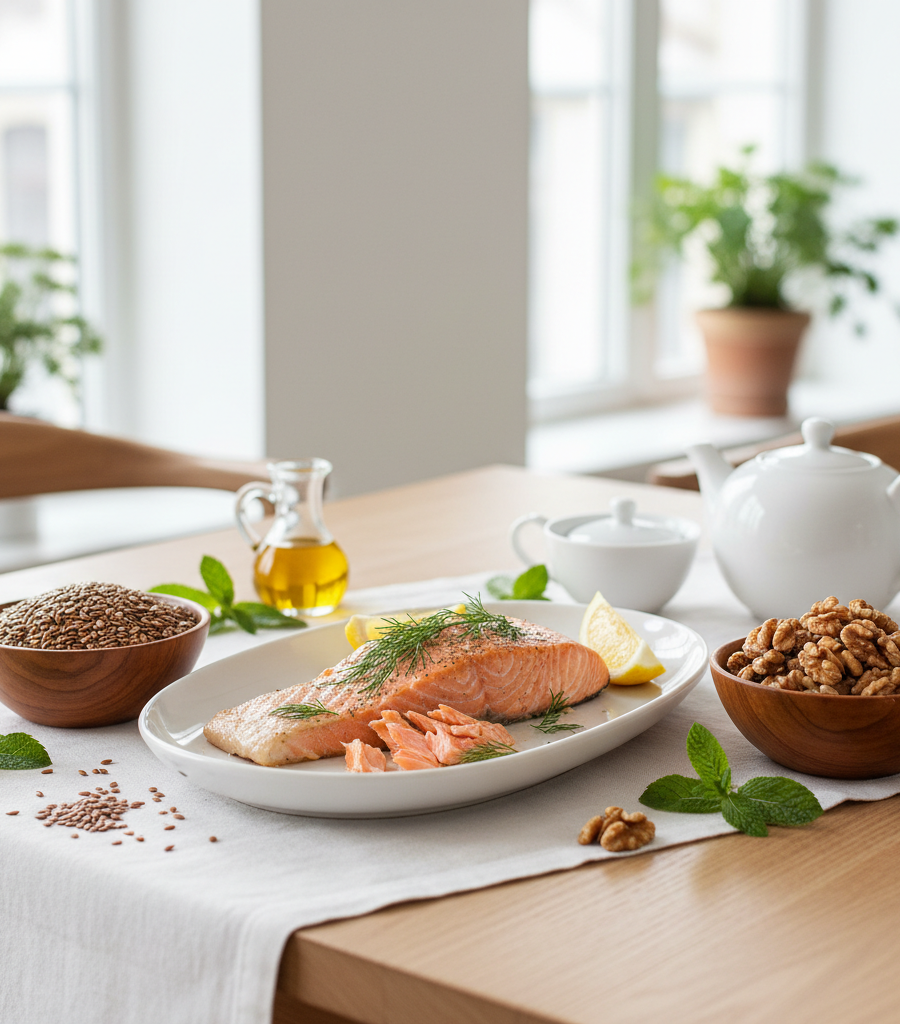
To put inflammation under control, an anti-inflammatory diet is absolutely necessary. It is the foundation of any successful treatment.
What you should definitely include in your diet:
Omega-3 fatty acids: Salmon, flaxseed, and walnuts are true guardians of your nerves. Include them more often in your diet.
Vitamin D and B12: Sunlight, eggs, and supplementation if necessary are key for the nervous system. Consult a doctor regarding dosage.
Antioxidants: Blueberries, spinach, and turmeric are powerful allies in the fight against oxidative stress, which is often associated with MS.
What is wise to avoid:
Refined sugars: They are like fuel for inflammatory processes in the body. Reduce them as much as possible!
Processed food: Ready-made products full of trans-fats can further cause damage to the myelin.
Excessive gluten and dairy products: In fact, in a significant number of MS patients, these foods can trigger a strong immune response, so it is worth trying to exclude them and monitor the body's reaction.
Ayurvedic Approach: The Power Products
In Ayurveda, MS is most often interpreted as a disturbance of the main Vata dosha (the energy of air and ether), which inevitably leads to degenerative processes. Unlike common supplements on the market, products are prepared according to strictly traditional recipes, using exclusively standardized extracts of the highest purity and quality. In fact, I personally believe this is what sets them apart.
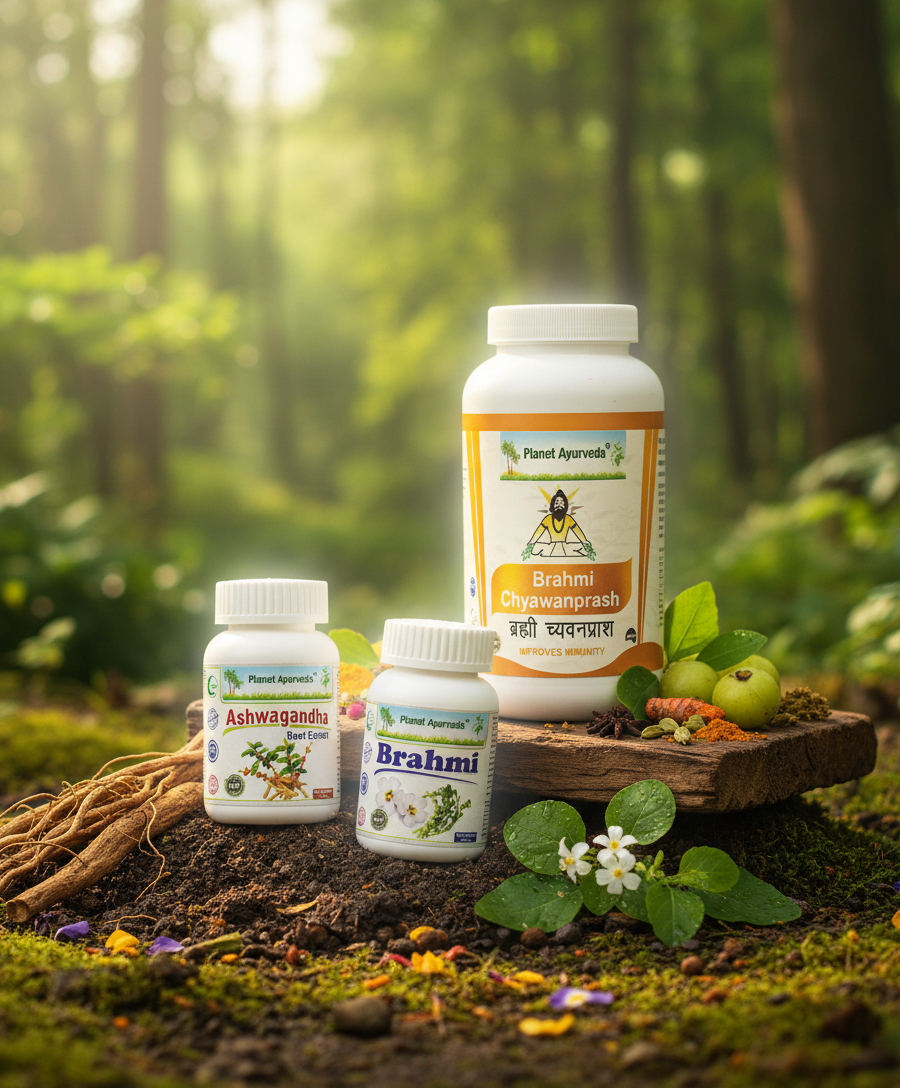
Let's explain why these specific products are vital for anyone facing the challenges of multiple sclerosis:
1. Brahmi (Bacopa monnieri) – Real food for the brain
Brahmi is, without exaggeration, the most prominent Ayurvedic neuroprotector. capsules contain pure extract that shows multiple benefits:
Actively helps in the repair of damaged neurons, which is crucial for the nervous system.
Significantly improves mental clarity, concentration, and focus.
Effectively reduces stress, which is often one of the main triggers for new MS attacks.
2. Ashwagandha – Natural adaptogen for strength and endurance
MS often leads to muscle atrophy and general body weakness. Here, Ashwagandha plays an extremely important role because it:
Strengthens muscle mass and noticeably raises the level of physical energy.
Acts as a powerful immunomodulator, meaning it calms the overactive immune system that causes MS.
Helps with insomnia and chronic fatigue, restoring quality sleep and rest.
3. Brahmi Chyawanprash – Elixir for immunity and vitality
This product is a true bomb from nature – a powerful blend of over 40 herbs, further enriched with Brahmi. For MS patients, this herbal jam is extremely important because it not only purifies the blood of toxins (Ama) but also nourishes the nervous system literally at a cellular level.
4. Tribulus (Gokshura) – Support for the urinary system
Bladder problems are unfortunately a common accompanying symptom in MS. Gokshura, in a completely natural way, regulates urinary function and improves the overall vitality of the body without any side effects.
Why choose ? Truly, their capsules are 100% vegetarian – without fillers, artificial chemicals, or additives. From my experience, they use only the best of nature to achieve the maximum therapeutic effect, and that is exactly what we need when dealing with such a serious condition.
Conclusion: Your Path to a Better Life Starts Today
Although multiple sclerosis is a complex and challenging condition, I firmly believe that the combination of modern diagnostics with the ancient wisdom of Ayurveda can bring truly extraordinary results. By calming inflammation through proper nutrition and strengthening the nerves with quality herbs, you are actively taking control of your own health. It is not just treating symptoms, but a journey toward a complete improvement in the quality of living.
Are you ready to start your natural therapy?
Click here to view and order products specially formulated to support the nervous system.
Literature and Scientific Sources Used
1. National and International Health Organizations for MS:
National Multiple Sclerosis Society (USA): Comprehensive information on symptoms and conventional treatment.
Mayo Clinic: Detailed medical reviews for MS diagnosis and therapy.
2. Scientific Studies on Ayurveda and Herbs (PubMed & NCBI):
Study on Ashwagandha (Withania somnifera): Research on its neuroprotective and anti-inflammatory properties.
Study on Brahmi (Bacopa monnieri): Effects of Brahmi on cognitive function and neuron regeneration.
Ayurveda in the Treatment of Neurological Diseases: Review of the holistic approach to autoimmune conditions.
3. Nutrition and Vitamin D in MS:
Journal of Neurology, Neurosurgery & Psychiatry: The link between Vitamin D levels and MS progression.
Multiple Sclerosis Journal: The impact of Mediterranean and anti-inflammatory diets on fatigue symptoms.
4. Resources:
India (Official): Technical specifications for extract purity and traditional use of formulas.
https://www..com/
Continue reading
 Ayurvedic Basics & Doshas
What is Ayurveda: A Complete Guide for Beginners and Healthy Living
Discover the power of Ayurveda: A comprehensive guide to the 5,000-year-old "Science of Life." Learn how to identify your unique doshas (Vata, Pitta, and Kapha), how to kindle your digestive fire (Agni), and how to integrate ancient rituals and powerful herbs into a modern lifestyle for perfect balance and longevity.
 Ayurveda
Turmeric as a Remedy: Benefits, Uses, and Best Recipes
This blog post serves as a comprehensive guide to the power of the "golden spice" – turmeric. The text explains in detail the anti-inflammatory and antioxidant properties of curcumin, its application for chronic pain, digestive issues, and boosting immunity. In addition to scientific facts, the post offers practical recipes for "golden milk" and tea, as well as recommendations for high-quality supplements for maximum results.
 Ayurveda
Natural home remedies everyone should know: Your kitchen as a pharmacy
Discover 19 simple and powerful home remedies from your kitchen that help with coughing, digestive issues, headaches, and boosting immunity. Learn how the ancient Ayurvedic wisdom can help you improve your health in a natural way.
Your Ayurvedic overview
Curious about your own constitution?
Take the free guided assessment and receive your personal Ayurvedic overview — about ten minutes, private to your account.
Start Your Journey