
Iron-rich foods: A natural path to a better blood count and energy

Iron is one of the most important minerals for our body. Its primary task is the production of hemoglobin – a protein in red blood cells that enables the transport of oxygen from the lungs to every cell in the organism. When iron levels are low, symptoms such as chronic fatigue, dizziness, and a drop in immunity appear.
In this explanation, we will look at the best natural sources of iron and how Ayurvedic medicine can help you restore balance to your blood count.

How much iron does your body need daily?
Iron requirements vary depending on age, gender, and specific conditions such as pregnancy. Here are the official recommendations:
Category | Daily Requirement (mg) |
Men (19+ years) | 8 mg |
Women (19-50 years) | 18 mg |
Pregnant women | 27 mg |
Women (51+ years) | 8 mg |
Children and infants | 7-15 mg (depending on age) |
Important note: The upper limit of safe intake is 45 mg daily for adults. Excessive iron intake without consulting a professional can strain the liver.
Types of Iron: What is the difference?
To optimize your diet, it is important to know that iron in food comes in two forms:
Heme iron: Found in foods of animal origin. The body absorbs it very easily (up to 30%).
Non-heme iron: Found in plant sources. Although excellent, its absorption is lower (2-10%), so it must be combined correctly.
Best Animal Sources (Heme Iron)
1. Red Meat and Liver
Red meat is the "gold standard" for heme iron. 100 grams of beef provides about 2.6 mg of iron. Liver is even more powerful – just 28 grams of pork liver contains an incredible 6.6 mg of iron. However, due to the high content of vitamin A and cholesterol, pregnant women and individuals with high cholesterol should be careful with its consumption.
2. Seafood
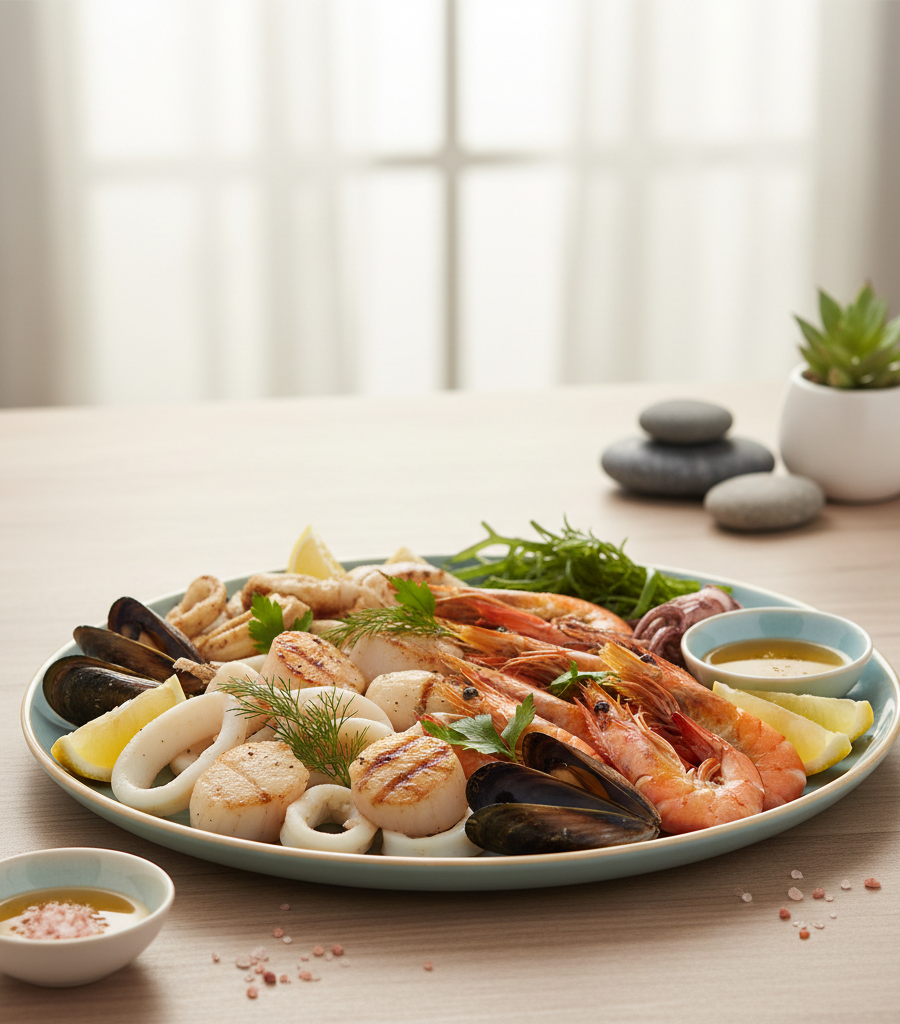
Oysters, mussels, and crabs are a true treasure trove. Six raw oysters offer 4.9 mg of iron, as well as huge amounts of zinc and vitamin B12, which are crucial for the nervous system and a strong immune system.
Best Plant Sources (Non-Heme Iron)
1. Legumes: Lentils and Chickpeas
Lentils are the absolute champion among plants with 12.5 mg of iron per cup. Chickpeas offer 1.5 mg of iron and an abundance of protein. Tip: Always add lemon to hummus or lentils – vitamin C doubles iron absorption.
2. Pumpkin and Sesame Seeds
Just one cup of pumpkin seeds contains as much as 11.4 mg of iron. Sesame is also excellent – one tablespoon in a salad adds 1.3 mg of iron, along with copper and zinc.
3. Spinach and Green Leafy Vegetables
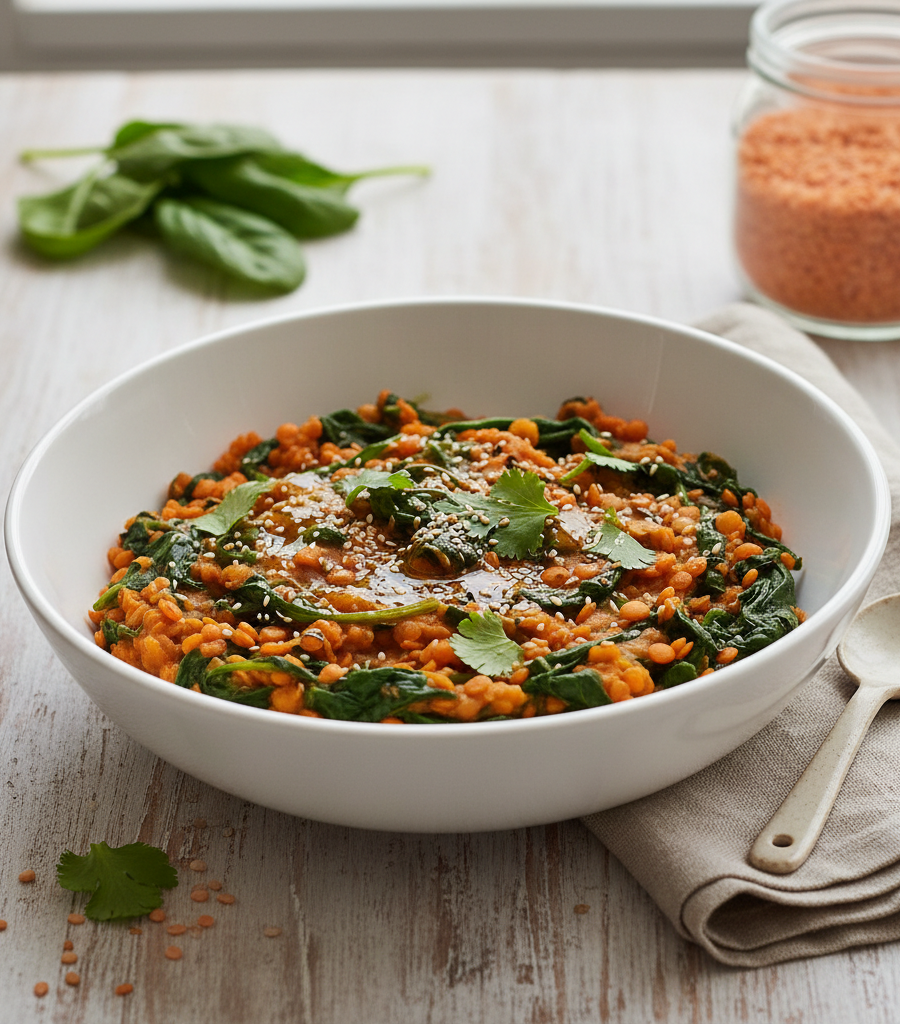
Cooked spinach is a more concentrated source of iron than fresh. One cup of cooked spinach provides about 3.7 mg of iron. It is also rich in vitamin A, which helps in mobilizing iron from its stores in the body.
Ayurvedic Solution for Anemia: The Power
When diet is not enough or when the body has difficulty with absorption, Ayurveda offers natural and safe formulas that do not cause digestive disturbances (as synthetic iron tablets often do).
Punarnava Mandur – A Natural Blood Builder
This is a classic Ayurvedic formula used for centuries for the treatment of anemia (Pandu).
Composition: Contains Mandur Bhasma (iron oxide) in combination with powerful herbs like Punarnava, Shunti (ginger), and Pippali.
Benefits: It not only raises the level of hemoglobin and serum iron but also helps detoxify the blood. The herb Punarnava helps reduce the swelling that often accompanies anemia and improves liver function.
Brahmi Chyawanprash – Elixir for Energy and Absorption
This marmalade is made from over 40 powerful herbs, with a base of Amla (the richest source of natural vitamin C).
Benefits for Iron: Due to the extremely high vitamin C content from Amla, this product is the perfect companion to any iron-rich meal. It ensures that the ingested iron actually ends up in your blood.
Mental Health: The herb Brahmi helps overcome "mental fog" and poor concentration, which are typical symptoms of anemia.
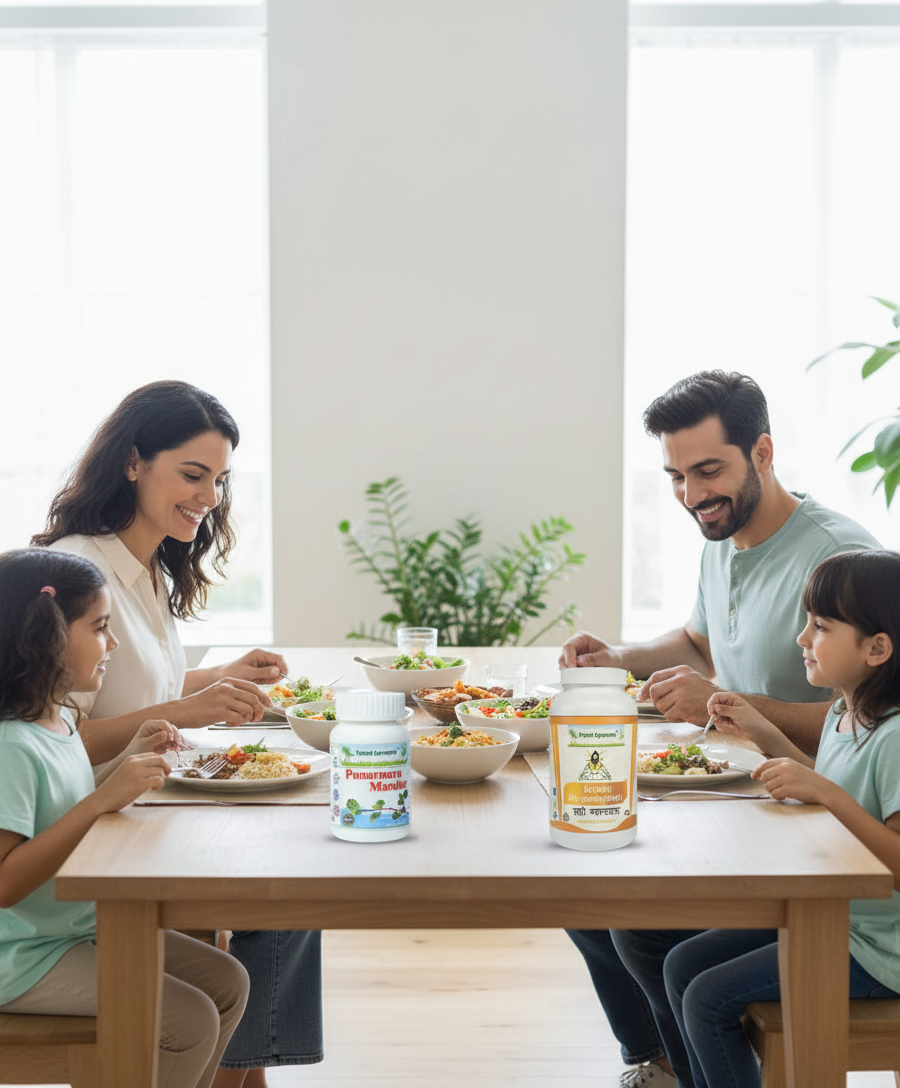
Daily Menu Plan for Optimal Iron and Vitality
This plan focuses on correctly combining food to avoid absorption blockers (such as calcium and tannins) in key meals.
Breakfast: Energy Start
Meal: Oatmeal prepared with water or almond milk (avoid cow's milk due to calcium), enriched with 2 tablespoons of pumpkin seeds and some raisins.
Ayurvedic Supplement: 1 teaspoon of Brahmi Chyawanprash. You can consume it directly or dissolved in a glass of lukewarm water.
Why? The vitamin C from Amla in this elixir will immediately stimulate the absorption of iron from the oats and seeds.
Snack 1: Refreshment
An orange or a handful of strawberries. This further maintains the vitamin C level in the blood.
Lunch: The Power of Legumes
Meal: Thick lentil soup with plenty of carrots and parsley. Serve with a fresh pepper salad and lemon juice.
Ayurvedic Supplement: 1-2 tablets of Punarnava Mandur after the meal.
Why? Lentils are the richest plant source of iron, and Punarnava Mandur will help the body more efficiently process and incorporate that iron into hemoglobin.
Snack 2: Protein Crunchy Dessert
Two tablespoons of hummus (chickpeas) with fresh cucumber or carrot sticks. Sprinkle the hummus with some sesame.
Dinner: Heme-Iron for Regeneration
Meal: 100-150g grilled beef fillet or cooked spinach with two eggs (for a vegetarian option).
Important: Avoid cheese or yogurt with this meal, as calcium hinders iron absorption.
Ayurvedic Supplement: 1-2 tablets of Punarnava Mandur after the meal.
Golden Rules for this Plan:
Coffee and Tea Break: Drink your favorite coffee or black tea at least one hour before or after a meal. The tannins in them can reduce iron absorption by more than 50%.
Hydration: Drink enough water throughout the day to help the body in the detoxification stimulated by Punarnava.
Consistency: Ayurvedic preparations work best when taken continuously for at least 3 to 6 weeks.
Frequently Asked Questions (FAQ)
What are the symptoms of iron deficiency? The most common symptoms are extreme fatigue, pale skin, brittle nails, cold hands and feet, and rapid heartbeat.
Do vitamins help with iron intake? Yes! Vitamin C is essential for absorption. On the other hand, calcium (dairy products) and tannins (tea and coffee) can hinder absorption if consumed simultaneously with iron-rich foods.
Why are Ayurvedic supplements better than synthetic ones? Synthetic supplements often cause constipation or stomach pain. Ayurvedic formulas like Punarnava Mandur are easily digestible and act synergistically with the body.
Conclusion
A balanced diet is key, but a conscious approach to absorption is what makes the difference. By combining the right foods and powerful herbal formulas from, you can quickly and effectively restore your vitality and energy.
References and Scientific Sources
1. General Medical and Nutritional Sources
National Institutes of Health (NIH) – Iron: Fact Sheet for Health Professionals A detailed overview of recommended daily doses, absorption, and dietary sources of iron. Link to source
Harvard T.H. Chan School of Public Health – Iron Scientific explanation of the difference between heme and non-heme iron and its role in the body. Link to source
Mayo Clinic – Iron deficiency anemia Medical overview of the symptoms, causes, and treatment of iron deficiency anemia. Link to source
World Health Organization (WHO) – Anaemia Global data and recommendations for fighting iron deficiency in women and children. Link to source
2. Scientific Studies on Ayurveda and Herbs in Products
Clinical Study on Punarnava Mandur in Pandu Roga (Anemia) A study published in PubMed/National Library of Medicine confirming the effectiveness of Punarnava Mandur in the treatment of anemia. Link to source
Therapeutic Potential of Chyawanprash: A Review A scientific paper on the antioxidant and immunomodulatory properties of Chyawanprash and its rich vitamin C content from Amla. Link to source
Phytochemical and Pharmacological profile of Boerhavia diffusa (Punarnava) Research on the herb Punarnava and its influence on blood regeneration and liver protection. Link to source
ScienceDirect – Mandur Bhasma: A review on its preparation and properties A technical review of Mandur Bhasma (iron oxide) and why it is one of the best forms of iron in Ayurveda. Link to source
Available in the US
Products in this area of wellness
Traditionally used in the areas this article covers. They are not treatments for any condition, and nothing here is a recommendation for you specifically.
Disclosure: some links below are affiliate links. If you buy through them, AyurvedaGrid may earn a commission at no extra cost to you, and those products are listed first. Which products are relevant at all comes from the topic of the article — nothing here is a recommendation for you specifically.
- Golden Monkey Ghee (Clarified Butter)(opens in a new tab)affiliateSri Sri Tattva USA· Ghee
Food and drink for everyday nourishment — everyday cooking fat
- Ojasvita Herbal Health Drink - Chocolate(opens in a new tab)affiliateSri Sri Tattva USA· Drink Mix
Food and drink for everyday nourishment — daily nourishing drink
- Ojasvita Herbal Health Drink - Golden Spiced Latte(opens in a new tab)affiliateSri Sri Tattva USA· Drink Mix
Food and drink for everyday nourishment — warming spiced drink
These statements have not been evaluated by the Food and Drug Administration. These products are not intended to diagnose, treat, cure or prevent any disease. Speak to your own healthcare provider before starting a supplement, particularly if you are pregnant, nursing, or taking medication.
Continue reading
 Ayurvedic Basics & Doshas
What is Ayurveda: A Complete Guide for Beginners and Healthy Living
Discover the power of Ayurveda: A comprehensive guide to the 5,000-year-old "Science of Life." Learn how to identify your unique doshas (Vata, Pitta, and Kapha), how to kindle your digestive fire (Agni), and how to integrate ancient rituals and powerful herbs into a modern lifestyle for perfect balance and longevity.
 Ayurveda
Turmeric as a Remedy: Benefits, Uses, and Best Recipes
This blog post serves as a comprehensive guide to the power of the "golden spice" – turmeric. The text explains in detail the anti-inflammatory and antioxidant properties of curcumin, its application for chronic pain, digestive issues, and boosting immunity. In addition to scientific facts, the post offers practical recipes for "golden milk" and tea, as well as recommendations for high-quality supplements for maximum results.
 Ayurveda
Natural home remedies everyone should know: Your kitchen as a pharmacy
Discover 19 simple and powerful home remedies from your kitchen that help with coughing, digestive issues, headaches, and boosting immunity. Learn how the ancient Ayurvedic wisdom can help you improve your health in a natural way.
Your Ayurvedic overview
Curious about your own constitution?
Take the free guided assessment and receive your personal Ayurvedic overview — about ten minutes, private to your account.
Start Your Journey