
Infertility and Ayurveda: Natural Solutions for Successful Conception
Medically reviewed by Dr Girish Shirke, M.D. (Ayurved)September 5, 2026
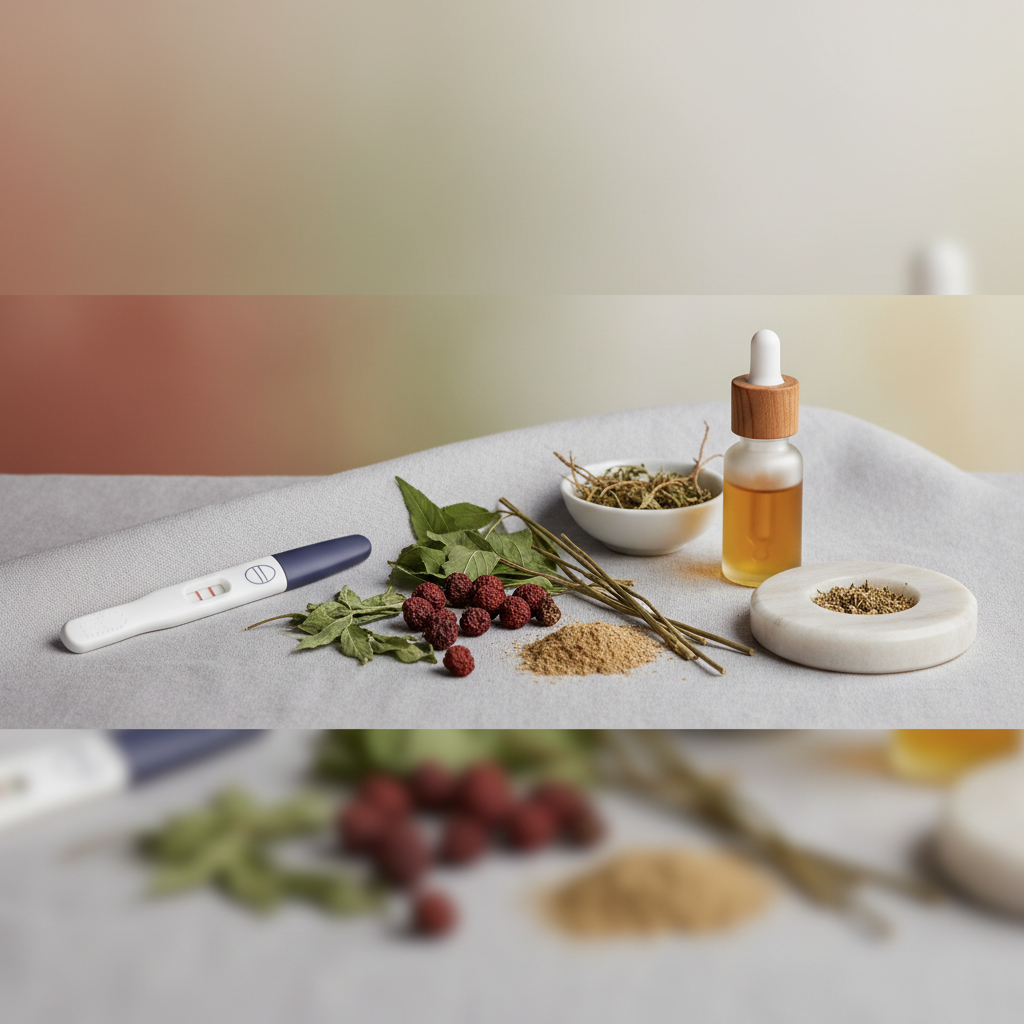
Introduction: What is Infertility?
Infertility is defined as the inability to conceive after 12 months of regular and unprotected sexual intercourse. Although it is often socially associated only with women, statistics are clear – in 1/3 of cases the cause lies with the man, in 1/3 with the woman, while the remaining cases involve combined factors or unexplained infertility.
According to Ayurveda, fertility is not an isolated condition but depends on the health of four basic elements: Ritu (timing and cycle), Kshetra (the place, i.e., the uterus), Ambu (nutrients and hormones), and Beeja (the seed, i.e., the egg and sperm). When these elements are in balance, conception occurs simply and naturally.

Main Causes of Infertility in Women and Men
Understanding the root of the problem is, in my opinion, the first and most important step toward a successful solution. Here are the most common ones!
Factors in Women:
Hormonal Disorders: I know this sounds common, but Polycystic Ovary Syndrome (PCOS) and thyroid problems are the most frequent culprits I see in practice.
Endometriosis: This condition, where uterine tissue grows outside the uterus, can cause scarring and blockages, making conception significantly more difficult.
Fallopian Tube Obstruction: Simply put, when the tubes are blocked, the sperm and egg cannot meet.
Age: It is no secret that after the age of 35, the quality and quantity of eggs decline more rapidly. Time is an important factor.
Factors in Men:
Sperm Quality: This includes low sperm count (oligospermia), poor motility, or abnormal shape – everything that affects the ability to fertilize.
Varicocele: Enlargement of the veins in the scrotum that increases temperature, which in turn damages sperm production.
Lifestyle: From my experience, excessive exposure to heat, toxins, smoking, and chronic stress are very common causes of fertility problems in men.
When is it time to seek professional help? If you are under 35 – after one year of trying. If you are over 35 – after six months. My advice is not to wait too long, as time is truly a key factor in this process.
Symptoms and Diagnostic Methods
Infertility is often a "silent" condition, but I believe the body always sends certain signs:

In Women: Pay attention to irregular cycles, extremely painful periods, sudden skin changes (like acne), or increased hair growth – these things are often indicators of hormonal imbalance.
In Men: Changes in sexual desire, pain, or swelling in the testicles can be warning signs.
How to check things? Here are the recommended medical analyses:
Hormone Panel: Testing FSH, LH, Prolactin, and Estradiol can provide a clear picture of the hormonal state.
Spermogram: This is a basic and mandatory analysis for male fertility.
Ultrasound: To check the condition of the ovaries and uterus, ultrasound is indispensable.
Ayurvedic Approach: Natural Treatment of Infertility
What I like most about Ayurveda is that it doesn't just treat the diagnosis, but the whole person. The goal is to cleanse the body of Ama (toxins) and restore the balance of the three doshas (Vata, Pitta, Kapha) – this is a holistic approach to health.
1. The Power of Ayurvedic Herbs
Nature truly offers us powerful allies for reproductive health:
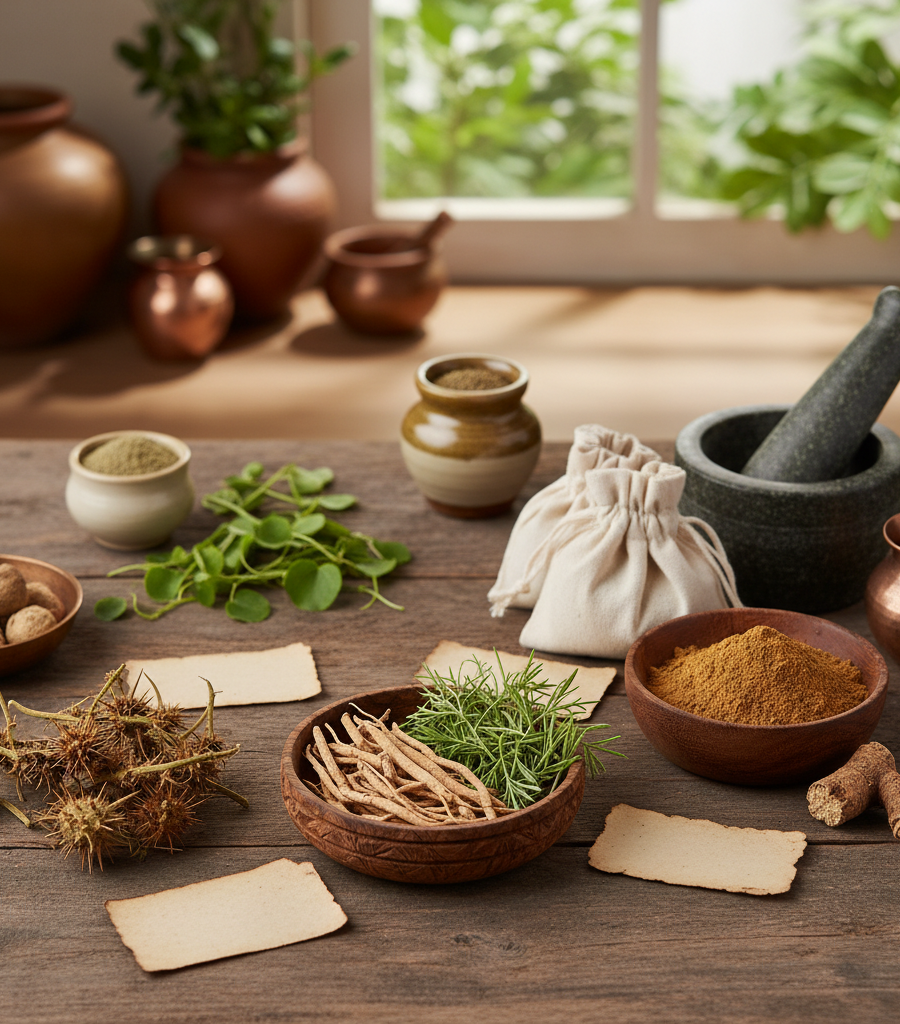
Shatavari: Often called the "queen of female herbs." It contains phytoestrogens that nourish the uterus and promote ovulation, making it indispensable.
Ashwagandha: I can say this is the best adaptogen. It reduces cortisol (the stress hormone), which is a direct enemy of fertility, helping the body cope with daily pressure.
Tribulus Power (Gokshura): Naturally increases testosterone levels and improves libido and vitality in men. This is an outstanding herb for male fertility.
Brahmi: Key for mental calmness. A calm mind is a prerequisite for hormonal stability, something we often forget.
2. Panchakarma – Deep Detoxification
Panchakarma therapies, such as Virechana (intestinal cleansing) and Basti (enema treatments with medicated oils), I consider a true "reset" of the reproductive system. They not only remove blockages in the channels (Shrotas) but also allow for better absorption of nutrients.
3. Diet and Yoga

Sattvic Diet: Consume fresh fruits, vegetables, almonds, walnuts, and organic milk (if tolerated). Avoid overly spicy, sour, and canned foods – simply eat naturally.
Yoga Poses: Poses like Badha Konasana (Butterfly Pose) truly increase circulation in the pelvic area, which directly nourishes the reproductive organs and provides excellent support.
Recommended Packages for Natural Support
For optimal results, offers the following natural formulas, which I personally recommend:
For Women: Support for Cycle and Ovulation
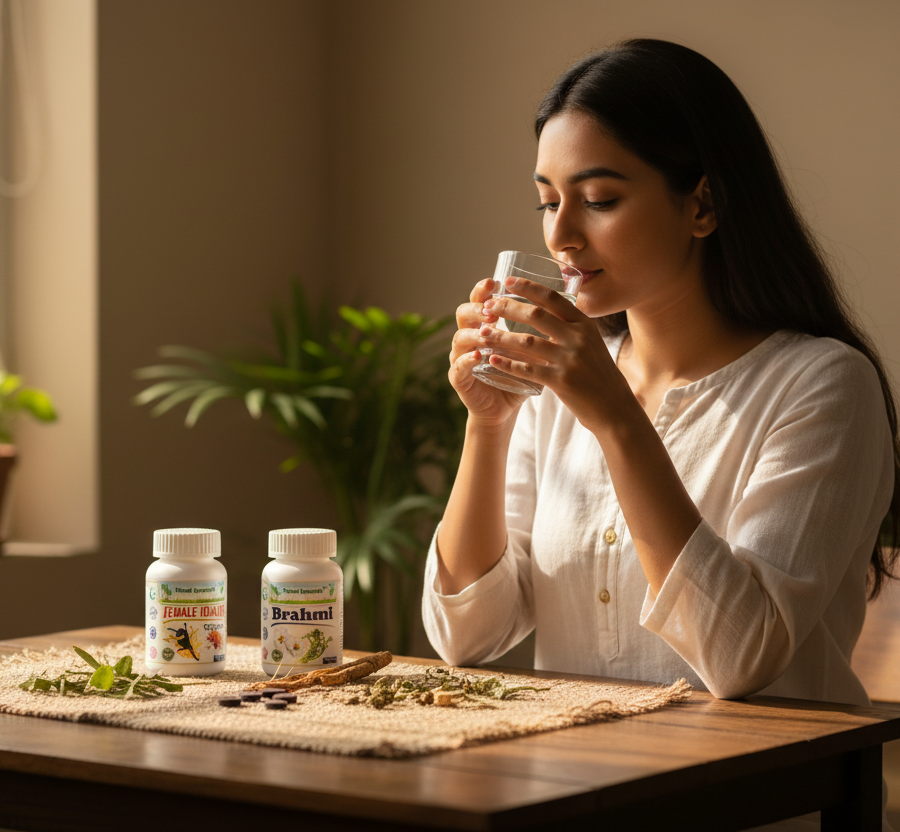
The combination of Shatavari, Female Health Support, and Brahmi works synergistically to regulate hormones, clear inflammation, and calm the nervous system. This is a complete approach, not just a single herb.
Click here to order the female formula
For Men: Vitality and Sperm Quality
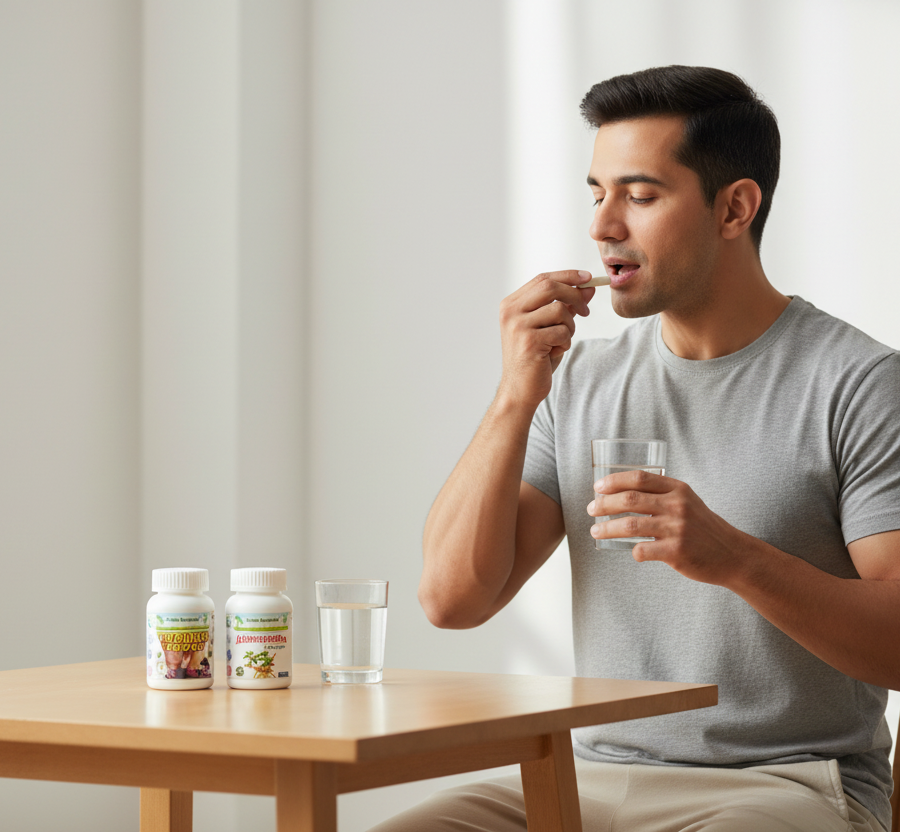
The package with Tribulus Power, Ashwagandha, and Shatavari is designed to increase sperm count and motility while simultaneously reducing stress. I believe this is a comprehensive solution for male fertility.
Click here to order the male formula
Frequently Asked Questions (FAQ)
1. Can Ayurveda help if I have PCOS? Absolutely! Ayurveda is exceptionally successful in treating PCOS, primarily through dietary changes and the use of specific herbs that regulate insulin resistance and ovulation. I know many successful examples.
2. How long does it take to see results? Since natural treatments work at a cellular level, I recommend continuous application for 3 to 6 months for full restoration of reproductive tissues. Patience is key.
3. Does alcohol really affect fertility? Definitely. Alcohol increases toxins in the body and can interfere with the absorption of key vitamins like zinc and B-complex, which are essential for healthy sperm and eggs. My advice is to avoid it.
Conclusion
The path to parenthood is sometimes long and filled with challenges, but Ayurveda teaches us that with patience, proper nutrition, and natural supplements, the body has an incredible capacity for self-healing. Return to nature and prepare your body for the most beautiful role in life – becoming a parent. I believe you can succeed!
References and Scientific Sources
1. General Medical Literature on Infertility
World Health Organization (WHO) – Guide to definitions and global statistics on infertility.
Mayo Clinic – Detailed explanation of causes and symptoms in male and female infertility.
2. Scientific Studies on Ayurvedic Herbs
Ashwagandha (Withania somnifera): Clinical study on the impact of Ashwagandha on sperm quality and stress levels in men.
Shatavari (Asparagus racemosus): Study on the effects of Shatavari on the female reproductive system and hormonal balance.
Gokshura (Tribulus terrestris): Research on the impact of Tribulus on libido and male fertility.
3. Ayurvedic Concepts and Detoxification
Panchakarma and Fertility: Scientific review of how Ayurvedic cleansing procedures help with reproductive disorders.
Charaka Samhita: Classic Ayurvedic text (reference for "Vaji Karana" – the branch of Ayurveda dedicated to aphrodisiacs and fertility).
In this guide
More on Fertility & Pregnancy
Available in the US
Products in this area of wellness
Traditionally used in the areas this article covers. They are not treatments for any condition, and nothing here is a recommendation for you specifically.
Disclosure: some links below are affiliate links. If you buy through them, AyurvedaGrid may earn a commission at no extra cost to you, and those products are listed first. Which products are relevant at all comes from the topic of the article — nothing here is a recommendation for you specifically.
- He’s Active Multi Vitamin for Men(opens in a new tab)affiliateSri Sri Tattva USA· Capsule
Supports men's wellness and vitality — daily multivitamin for men
- Kali Musli - Vitality & Vigor(opens in a new tab)affiliateSri Sri Tattva USA· Tablet
Supports men's wellness and vitality — vigor and stamina
- Fertipush(opens in a new tab)Planet Ayurveda· Capsule
Supports reproductive wellness — reproductive vitality
These statements have not been evaluated by the Food and Drug Administration. These products are not intended to diagnose, treat, cure or prevent any disease. Speak to your own healthcare provider before starting a supplement, particularly if you are pregnant, nursing, or taking medication.
Continue reading
 Ayurvedic Basics & Doshas
What is Ayurveda: A Complete Guide for Beginners and Healthy Living
Discover the power of Ayurveda: A comprehensive guide to the 5,000-year-old "Science of Life." Learn how to identify your unique doshas (Vata, Pitta, and Kapha), how to kindle your digestive fire (Agni), and how to integrate ancient rituals and powerful herbs into a modern lifestyle for perfect balance and longevity.
 Ayurveda
Turmeric as a Remedy: Benefits, Uses, and Best Recipes
This blog post serves as a comprehensive guide to the power of the "golden spice" – turmeric. The text explains in detail the anti-inflammatory and antioxidant properties of curcumin, its application for chronic pain, digestive issues, and boosting immunity. In addition to scientific facts, the post offers practical recipes for "golden milk" and tea, as well as recommendations for high-quality supplements for maximum results.
 Ayurveda
Natural home remedies everyone should know: Your kitchen as a pharmacy
Discover 19 simple and powerful home remedies from your kitchen that help with coughing, digestive issues, headaches, and boosting immunity. Learn how the ancient Ayurvedic wisdom can help you improve your health in a natural way.
Your Ayurvedic overview
Curious about your own constitution?
Take the free guided assessment and receive your personal Ayurvedic overview — about ten minutes, private to your account.
Start Your Journey