
Homegrown herbs: Flavor in the kitchen with little effort
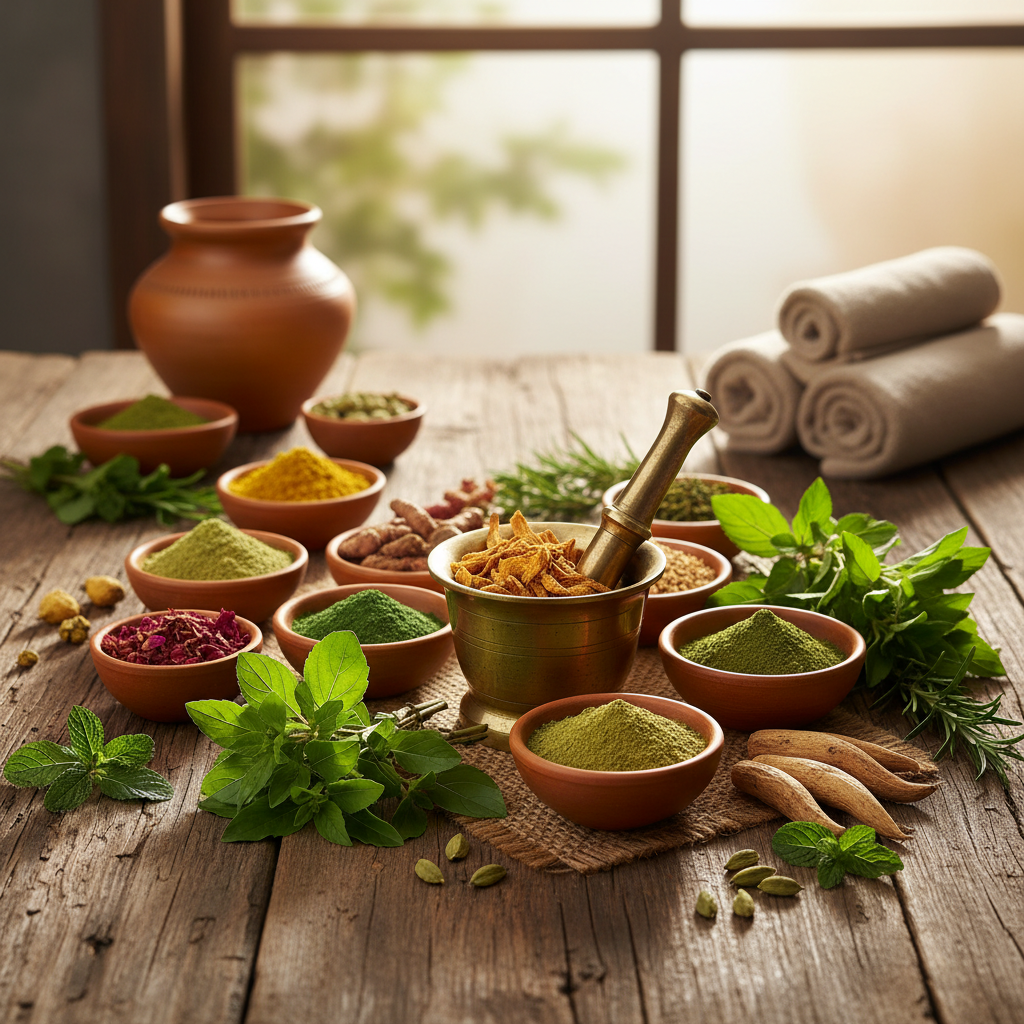
Imagine: fresh flavor in every dish, without having to buy wilted bunches that lose their freshness in a day or two. The solution is simple – grow herbs at home! You don't need much space or much effort, and the effect in the kitchen is huge. With a little care, in a short time you will have your own mini garden, ready to use every day.
A single sunny window that receives 4 to 6 hours of direct sunlight is enough. Add pots with good drainage, light potting soil, and regular but moderate watering. It really is that simple!
What do you need to get started?
A bright window: A south or southeast window is ideal, where the herbs will get the most sun.
Pots with drainage holes and saucers: This is crucial so that water does not collect and rot the roots.
Quality potting soil: Choose a light soil, preferably with added sand or perlite for better drainage.
A spray bottle or watering can: It is important to have control over the amount of water; a thin stream is best.
Sharp scissors: For neat harvesting and encouraging growth.
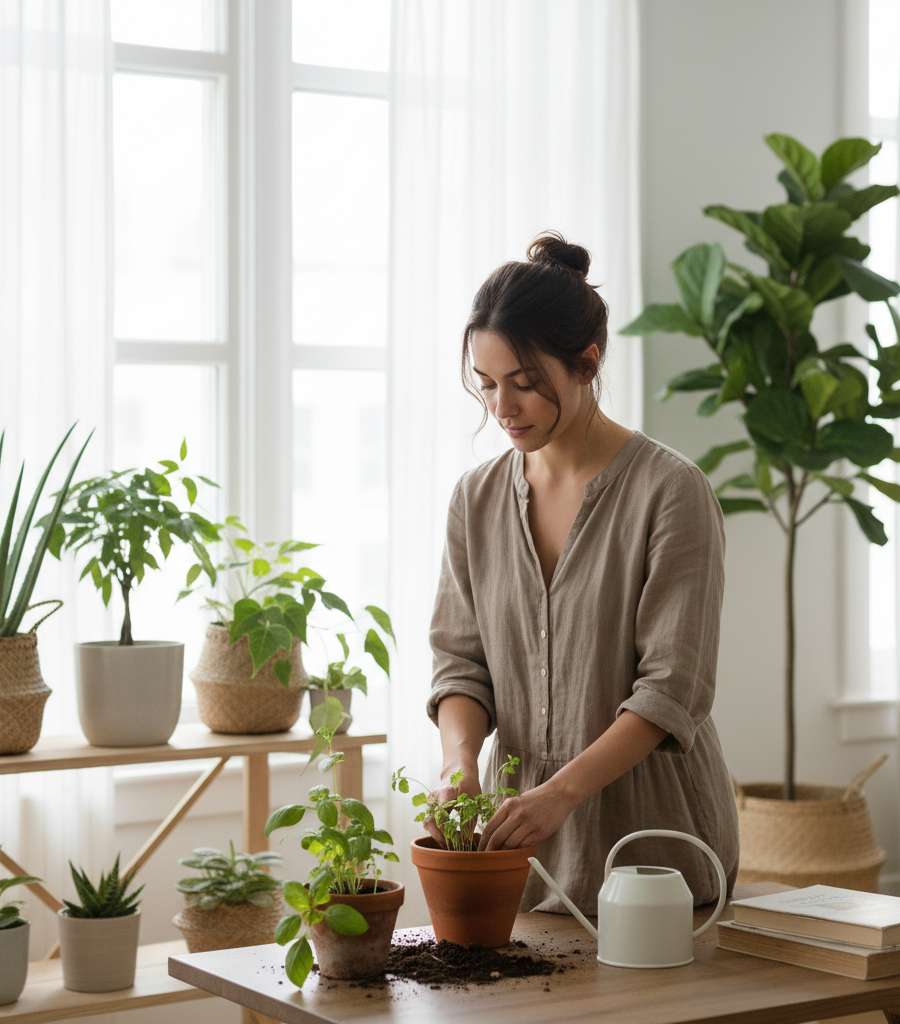
The most common mistake beginners make? Overwatering! Most herbs, especially those from the Mediterranean, prefer the soil to dry out a bit between waterings.
Six herbs you can start with right away
Thyme
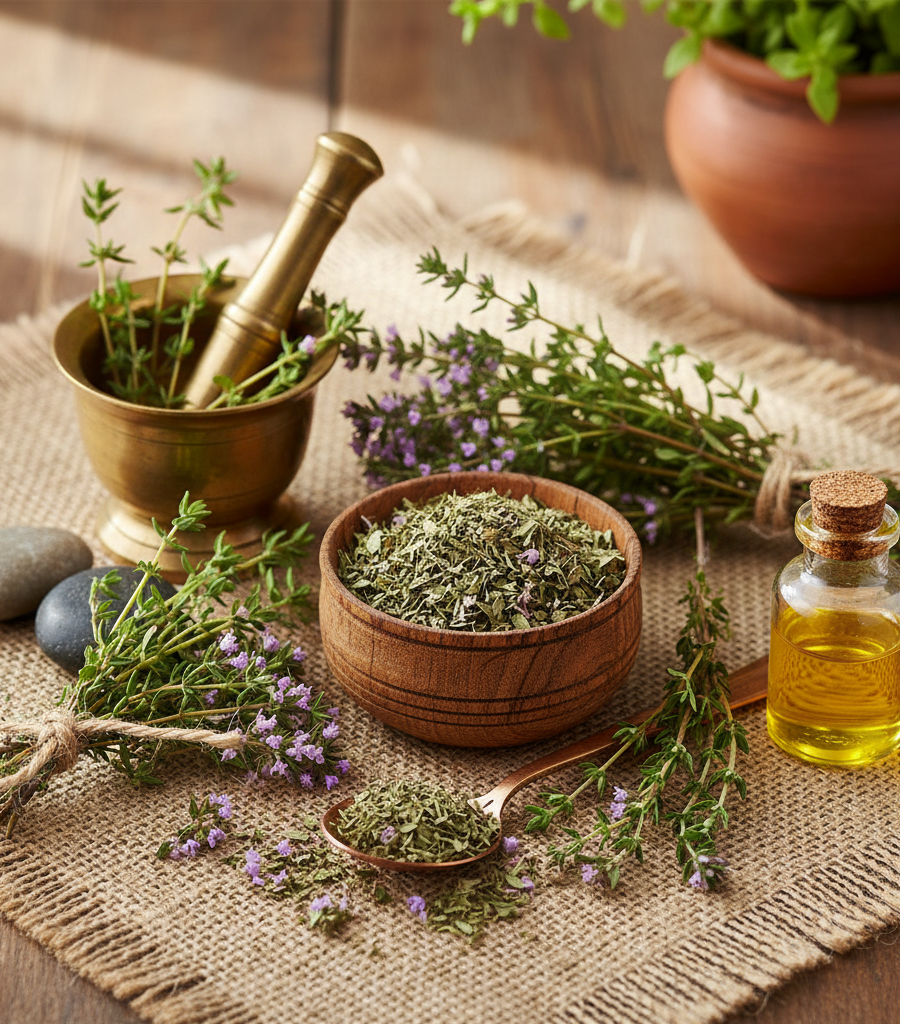
Why it's worth having: Thyme has a strong, characteristic scent and goes great with almost every meal. It grows beautifully in a pot, and its leaves are so rich in essential oils that even a small amount gives an intense flavor.
How to grow it:
Light: It needs a lot of sun.
Water: Water rarely, only when the top layer of soil is dry.
Soil: It likes lighter soil with excellent drainage.
Harvest: Cut the tips – this will encourage it to branch out and become denser.
How to use it at home: It is fantastic in soups, with roasted vegetables, potatoes, meat, or various sauces. You can also make thyme tea if you feel heavy after eating or simply want a warm drink with a nice herbal taste.
Traditional application: In folk medicine, it is often used to support digestion, for the throat, and to alleviate seasonal respiratory discomfort.
Parsley
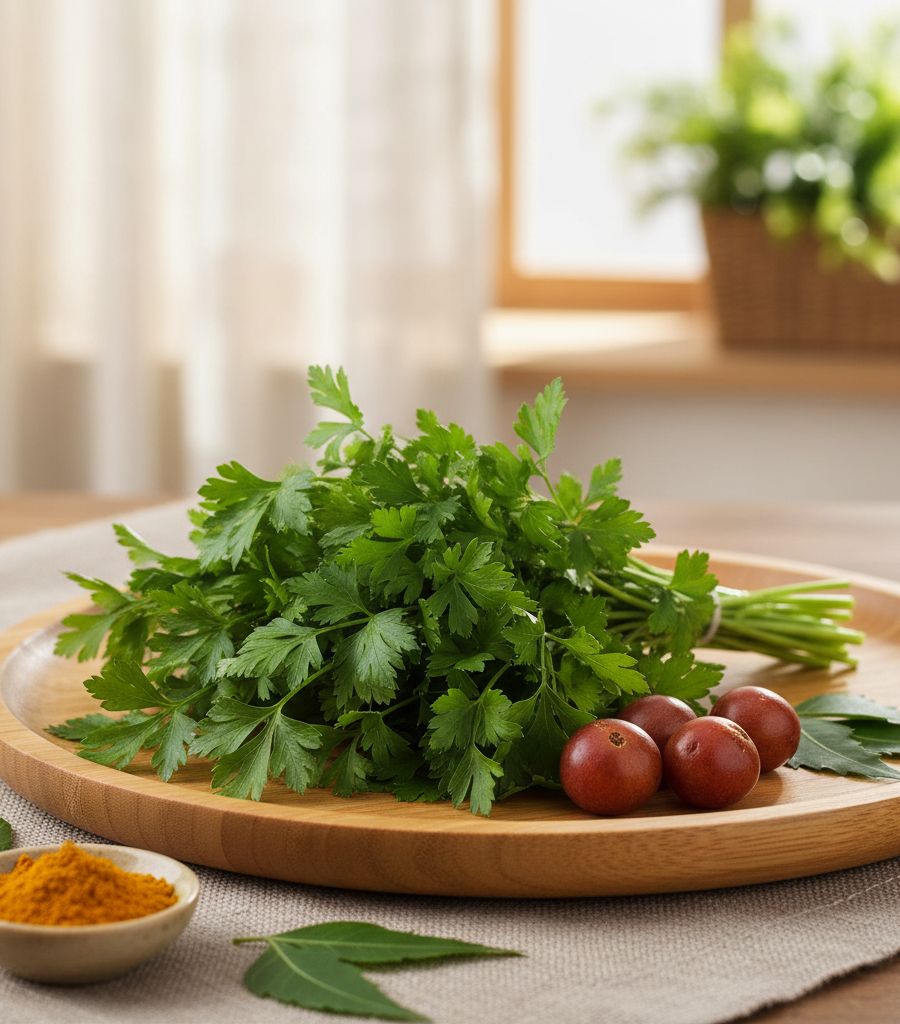
Why it's worth having: Parsley is one of the most useful "everyday" herbs. It is rich in vitamin C, vitamin K, and vitamin A, as well as important minerals like iron – a real health booster.
How to grow it:
Light: It needs 4 to 6 hours of sun, but tolerates partial shade well.
Water: It likes more water than thyme, so the soil should be constantly slightly moist, but never soaked.
Trick: Sowing can be slow, so be patient!
How to use it at home: It is indispensable fresh in salads, soups, stews, and sauces. If you like the taste, you can also add it to smoothies. It is excellent as an addition to every meal for more freshness and minerals.
Practical note: If you are taking blood-thinning therapy (for example, warfarin), it is important to keep your vitamin K intake stable, without sudden large changes. Parsley is rich in this vitamin.
Mint
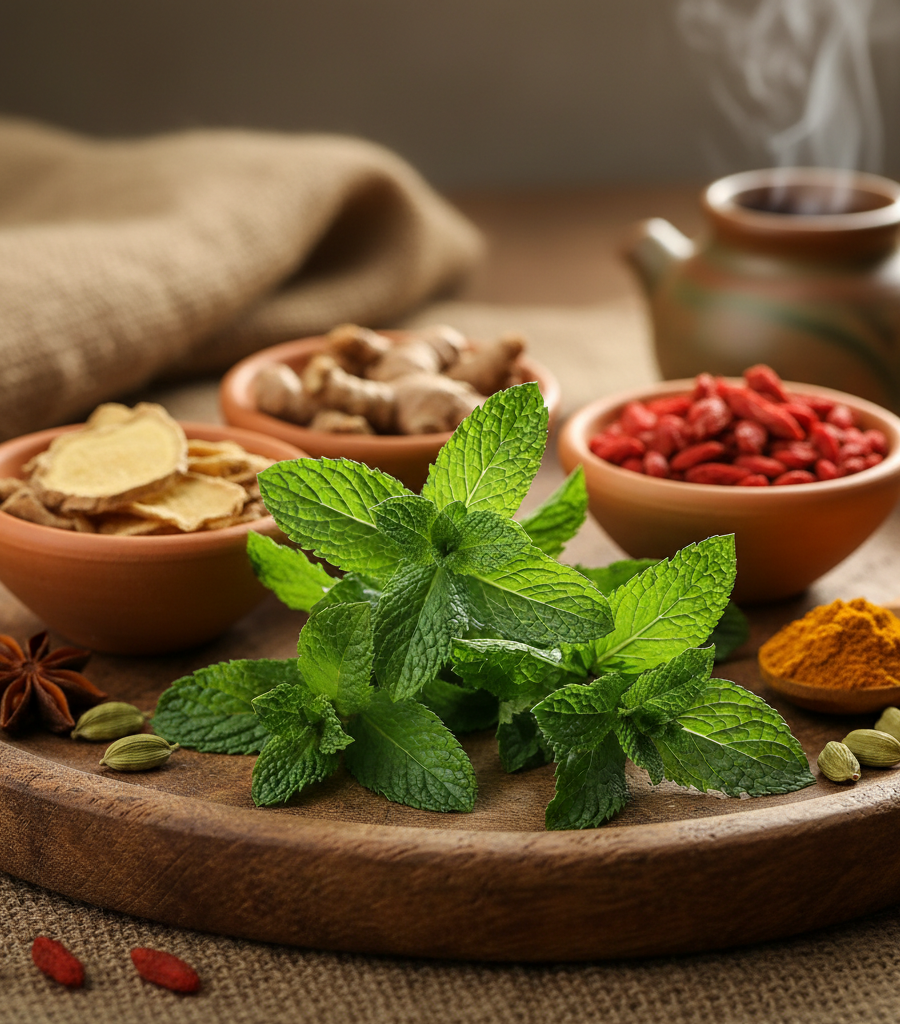
Why it's worth having: Mint grows incredibly fast and has a clean, refreshing scent. It is great for tea, flavored water, and even desserts. It has a habit of "conquering" space, so it is best to keep it in a separate pot so it doesn't disturb other herbs.
How to grow it:
Light: From partial shade to full sun.
Water: Requires regular watering; it likes more moisture than Mediterranean herbs.
Soil: Prefers nutritious, not too dry soil.
Harvest: Cut it often; this makes it denser and richer.
How to use it at home: Perfect for tea after a meal, in lemonade or cucumber water for refreshment, as well as in salads, with yogurt sauces, or with fruit.
Traditional application: It is used for fresh breath, for a feeling of lightness after meals, and as an aromatic aid during the cold season, most often through warm steam or tea.
Basil
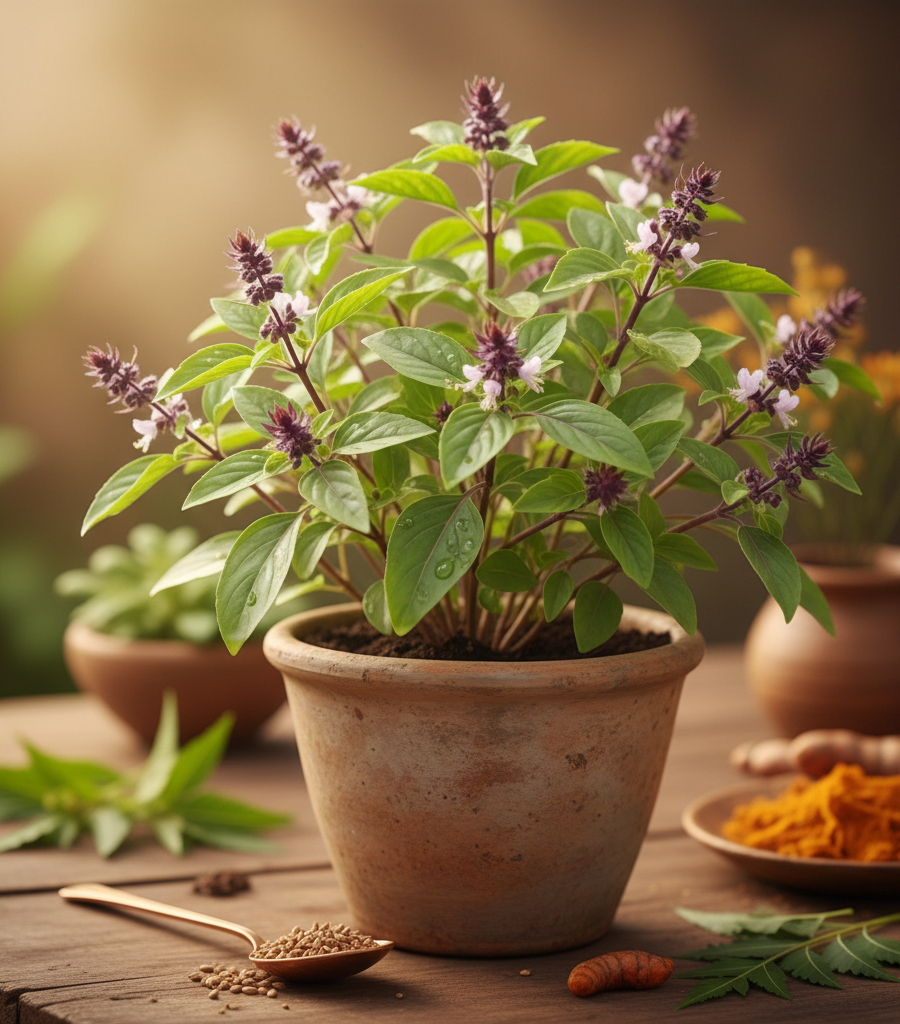
Why it's worth having: Basil is a true kitchen classic. Its scent is strong and recognizable, and the leaves are delicate and best when fresh.
How to grow it:
Light: It needs a lot of sun.
Water: Water moderately, but do not allow the soil to dry out completely.
Temperature: It does not like cold and drafts, so keep it warm.
Harvest: Pinch the tips to encourage the growth of side branches.
How to use it at home: It is the base for pesto, indispensable with tomatoes, olive oil, and mozzarella (or other cheese). It is also used in pasta, pizzas, and various sauces.
Useful context: There are several types of basil. In Ayurveda, Tulsi is often mentioned, known as "holy basil," which has a different taste and purpose than common basil.
Coriander (Cilantro)
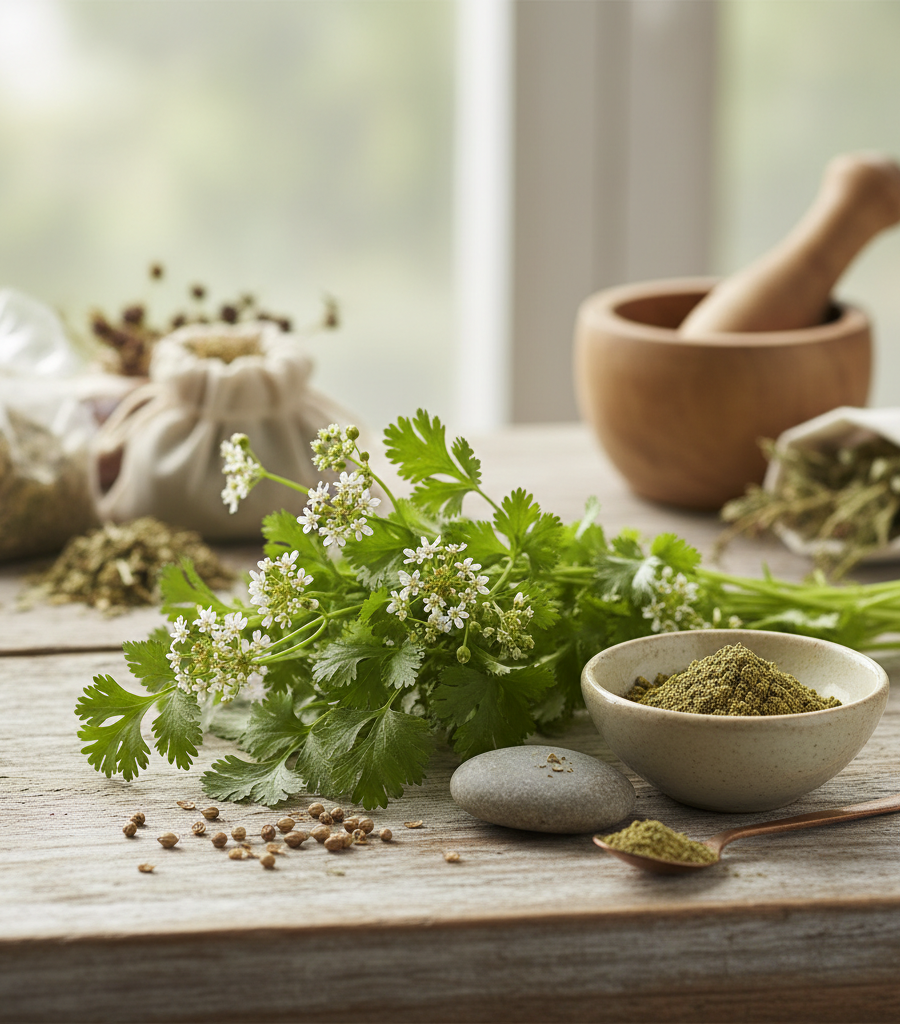
Why it's worth having: Coriander is a herb with a double benefit – the leaves provide incredible freshness, while the seeds have a warm, spicy flavor. One herb, two completely different tastes!
How to grow it:
Light: Likes sun to partial shade.
Water: Water moderately.
Trick: Prefers cooler weather. In the heat, it quickly goes to flower and the leaves lose their flavor.
Harvest: Use the leaves while they are young and tender.
How to use it at home: The leaves are excellent in salads, sauces, with legumes, or in soups. The seeds, on the other hand, are used as a spice in stews and marinades.
Traditional application: In folk practice, it is used as a digestive aid and as a spice that "lightens" the weight of heavier dishes.
Oregano
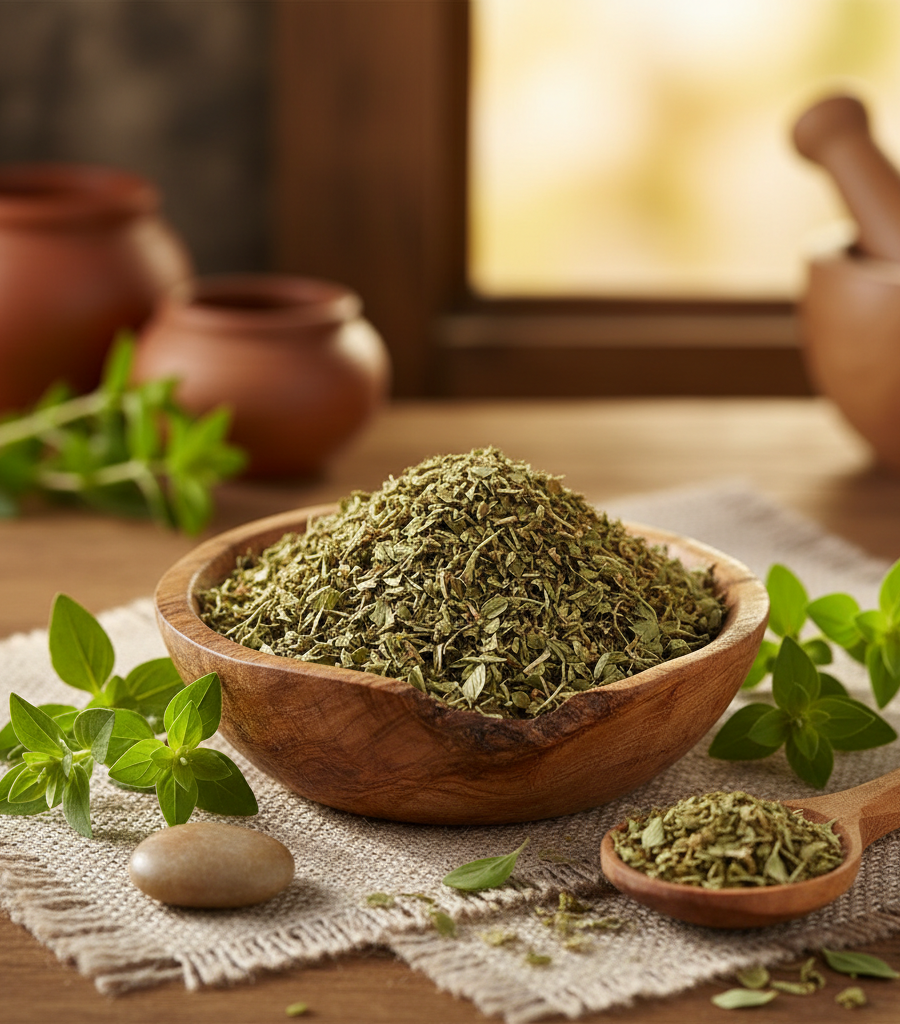
Why it's worth having: Oregano has a strong, recognizable flavor and is indispensable in Mediterranean cuisine. It is easy to grow and "forgives" an occasional mistake, making it ideal for beginners.
How to grow it:
Light: It needs a lot of sun.
Water: Water rarely, only when the soil is completely dry.
Soil: Prefers drier soil with excellent drainage.
Harvest: Regularly cut the tips to encourage dense growth.
How to use it at home: It is perfect for pizzas, roasted vegetables, marinades, and sauces. Keep in mind that dried oregano is often more intense than fresh, so dose carefully.
How to dry and store herbs
Choose only healthy sprigs, without yellowed or damaged parts.
Rinse them briefly under running water and dry them on a clean kitchen towel.
Tie them in small bunches and hang them to dry in a ventilated place, away from direct sunlight.
When they become brittle (which shows they are completely dry), remove the leaves from the sprigs and store them in a well-sealed glass jar.
Write the date on the jar. They have the best scent and taste in the first 6 to 12 months after drying.
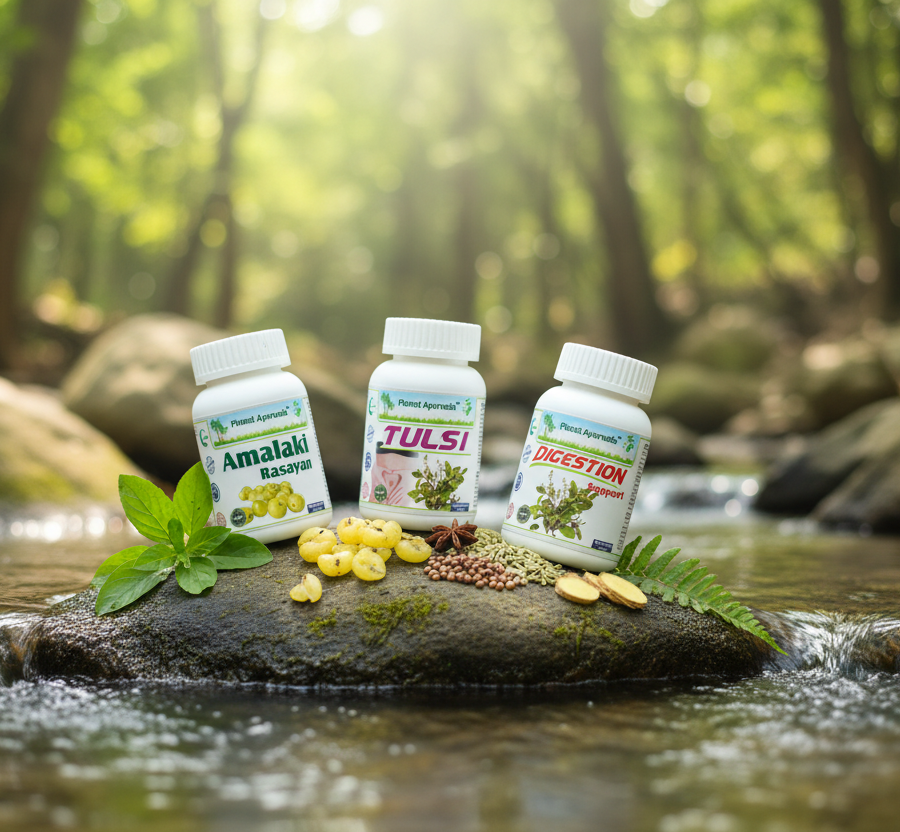
Once you integrate these fresh herbs into your daily diet, the next logical step is to consider more targeted support for your health. This is where products from come into play. They offer concentrated herbal formulas with a clear purpose and a proven, consistent composition, which can complement the benefits of fresh herbs.
Tulsi and Basil – similar in scent, different in purpose
If you love the taste of basil, I highly recommend getting to know Tulsi, also known as "holy basil." While we mainly use common basil in cooking, Tulsi is traditionally used as a tea or supplement for daily support. People most often choose it when they want easier breathing, a calmer nervous system, and better body resistance – especially during stressful periods or the cold season.
Antioxidant and immune support with Amalaki Rasayan and Giloy
For a seasonal routine, thyme and oregano are fantastic in the kitchen, and many combine them with warm tea and honey in winter. For more targeted antioxidant and immune support, an excellent combination can be Amalaki Rasayan or Giloy. Amalaki Rasayan is known for its high antioxidant value and for supporting vitality, healthy skin appearance, and immunity. Giloy, on the other hand, is used as a herb to balance the immune response, especially in seasons when the body is exposed to greater stress, fatigue, or frequent colds.
Digestion Support – a daily routine for easier digestion
When we talk about digestion and a feeling of lightness after a meal, herbs like mint and coriander are an excellent base in the kitchen. But if you want broader and more consistent support, consider including Digestion Support. Such formulas are very practical when you feel heavy after eating, bloated, or have a sensitive stomach, and want a daily routine that will actively support your digestion.
Parsley for freshness, Navkarshik Churna for skin support and balance
We often associate parsley with freshness and a clean look, especially if we combine it with enough water and a balanced diet. If you want to add another step to your routine, Navkarshik Churna fits in naturally. This is a herbal blend traditionally used for skin support and general balance. It is most often chosen when you want to support "cleansing" from within, especially during periods when the skin reacts with redness or sensitivity, or when you simply want a more even appearance and a better feeling in the body.
Frequently Asked Questions
How much light do herbs need?
Most herbs, as mentioned, require 4 to 6 hours of direct sun. Only mint is more flexible and tolerates partial shade, so it can succeed even on a window with less sun.
How often should I water them?
It is best to check with your finger – stick it into the soil about 2 cm deep. If it's dry, then water. If it's wet, wait a little longer. This is the safest way to avoid overwatering.
Which herb is easiest for beginners?
Definitely oregano and thyme. They are very resilient and forgive mistakes. After them, I would also recommend mint, but be careful not to overdo the water.
Brief conclusion for this blog post:
Start with just two pots – thyme and mint are a great pair to start with. In just two weeks you will develop a habit, and in a month you will already have an established routine. And most importantly, your kitchen will constantly smell wonderful, like a place where someone really knows what they are doing with food!
References:
University of Minnesota Extension. Growing herbs in home gardens. extension.umn.edu
Iowa State University Extension, Yard and Garden. Growing Herbs Indoors. Yard and Garden+1
Penn State Extension. Growing herbs indoors. Penn State Extension
Oregon State University Extension Service. Growing Herbs (PDF). OSU Extension Service
University of Minnesota Extension. Lighting for indoor plants and starting seeds. extension.umn.edu
University of Maryland Extension. Watering indoor plants, practical finger test for checking moisture. extension.umd.edu
University of Maryland Extension. Overwatered indoor plants, symptoms and consequences of overwatering. extension.umd.edu
Penn State Extension. Let's Preserve: Drying Herbs. Penn State Extension
Oregon State University Extension Service. Food Safety & Preservation: Drying Herbs (PDF), storage up to 1 year. OSU Extension Service
National Center for Home Food Preservation (UGA). Herbs, drying and storing, potency of dried herbs (3 to 4 times). nchfp.uga.edu
University of Rochester Medical Center, Encyclopedia. Parsley, raw, nutritional values (vitamin C, vitamin K, minerals). University of Rochester Medical Center
USDA FoodData Central. Downloadable datasets, source of nutritional data. fdc.nal.usda.gov
Dietary vitamin K influences intra-individual variability in anticoagulant response to warfarin, scientific basis for stable vitamin K intake with warfarin (link hosted on ResearchGate). ResearchGate
Lopresti AL et al. (2022). Ocimum tenuiflorum (Holy Basil), randomized placebo-controlled trial for stress, sleep, and mood (Frontiers in Nutrition). Frontiers+1
Gul M et al. (2022). Functional and Nutraceutical Significance of Amla (Phyllanthus emblica), review of antioxidants and nutritional profile (Antioxidants, MDPI). MDPI
Singh J et al. (2024). Immunomodulatory properties of Giloy (Tinospora cordifolia), review (ScienceDirect). ScienceDirect
Nnamani I et al. (2023). Tinospora cordifolia (Giloy)-Induced Liver Injury, case report (PMC). PMC
Kulkarni AV et al. (2022). Tinospora cordifolia (Giloy)–Induced Liver Injury, clinical data (Wiley). Wiley Online Library
Available in the US
Products in this area of wellness
Traditionally used in the areas this article covers. They are not treatments for any condition, and nothing here is a recommendation for you specifically.
Disclosure: some links below are affiliate links. If you buy through them, AyurvedaGrid may earn a commission at no extra cost to you, and those products are listed first. Which products are relevant at all comes from the topic of the article — nothing here is a recommendation for you specifically.
- Ashwagandhadhi – Immunity & Strength Support(opens in a new tab)affiliateSri Sri Tattva USA· Tablet
Supports natural energy and vitality — strength and stamina
- Hello Energy®(opens in a new tab)Himalaya Wellness USA
Supports natural energy and vitality — natural stamina without stimulants
- Shilajit(opens in a new tab)Himalaya Wellness USA
Supports natural energy and vitality — stamina and rejuvenation
These statements have not been evaluated by the Food and Drug Administration. These products are not intended to diagnose, treat, cure or prevent any disease. Speak to your own healthcare provider before starting a supplement, particularly if you are pregnant, nursing, or taking medication.
Continue reading
 Ayurvedic Basics & Doshas
What is Ayurveda: A Complete Guide for Beginners and Healthy Living
Discover the power of Ayurveda: A comprehensive guide to the 5,000-year-old "Science of Life." Learn how to identify your unique doshas (Vata, Pitta, and Kapha), how to kindle your digestive fire (Agni), and how to integrate ancient rituals and powerful herbs into a modern lifestyle for perfect balance and longevity.
 Ayurveda
Turmeric as a Remedy: Benefits, Uses, and Best Recipes
This blog post serves as a comprehensive guide to the power of the "golden spice" – turmeric. The text explains in detail the anti-inflammatory and antioxidant properties of curcumin, its application for chronic pain, digestive issues, and boosting immunity. In addition to scientific facts, the post offers practical recipes for "golden milk" and tea, as well as recommendations for high-quality supplements for maximum results.
 Ayurveda
Natural home remedies everyone should know: Your kitchen as a pharmacy
Discover 19 simple and powerful home remedies from your kitchen that help with coughing, digestive issues, headaches, and boosting immunity. Learn how the ancient Ayurvedic wisdom can help you improve your health in a natural way.
Your Ayurvedic overview
Curious about your own constitution?
Take the free guided assessment and receive your personal Ayurvedic overview — about ten minutes, private to your account.
Start Your Journey