
Health benefits of cinnamon you didn't know about
Medically reviewed by Dr Girish Shirke, M.D. (Ayurved)September 5, 2026

Introduction
Cinnamon is much more than a spice that adds a fragrant note to our desserts. Powerful active compounds are hidden within its bark, the most famous of which is, of course, cinnamaldehyde, along with a large number of polyphenols. These compounds are the subject of numerous studies and are associated with positive effects on blood sugar levels, lipids, inflammatory processes, and even antimicrobial activity.
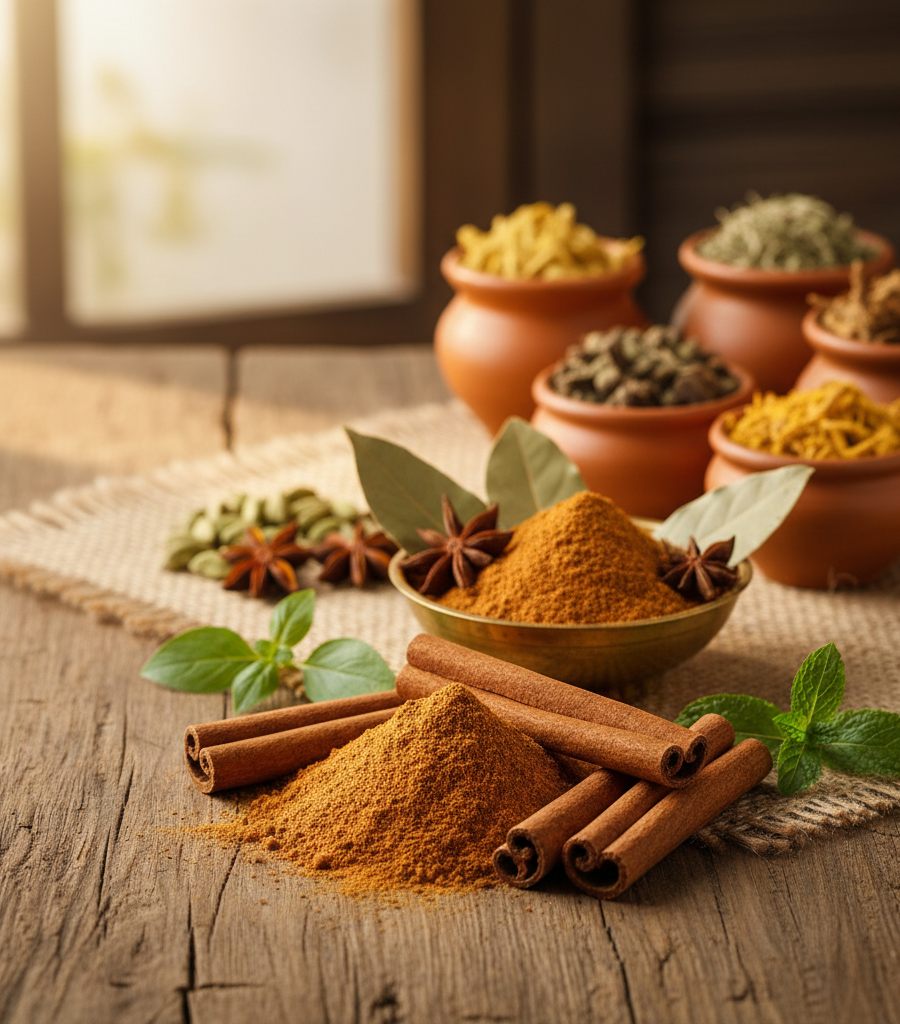
Which Cinnamon Should You Choose?
In the market, you will most commonly encounter two basic types of cinnamon:
- **Ceylon cinnamon (Cinnamomum verum):** This species is often called "true cinnamon."
- **Cassia cinnamon (Cinnamomum cassia):** This type is much more widespread and affordable, but contains higher levels of coumarin.
My advice is, if you plan to consume cinnamon daily and in larger quantities, always opt for Ceylon. The reason for this lies in the fact that Cassia cinnamon contains more coumarin, a substance which, with regular and excessive consumption, can be harmful. For more detailed information, you can view the recommendations from the Bundesinstitut für Risikobewertung.
8 Health Benefits of Cinnamon
1. Support for Lower Blood Sugar and Better Insulin Sensitivity
Cinnamon is particularly popular in glycemic control research. Meta-analyses of randomized studies have shown certain improvements in some people with type 2 diabetes. This usually involves a moderate reduction in fasting glucose and improvement in markers of insulin resistance. However, it is important to note that effects vary depending on the dose, duration of use, and type of cinnamon, so results are not always identical across all studies. Additional information can be found on PubMed and MDPI.
Practical Tip: Add cinnamon to your breakfast – in oats, yogurt, protein smoothies, or sugar-free coffee. But be careful: if you are already taking medication for blood sugar, monitor your levels more frequently if cinnamon becomes part of your daily routine.

2. Improvement of Lipid Profile, Especially Triglycerides
When it comes to lipids, or blood fats, data shows a reduction in triglycerides and total cholesterol. The effect on "bad" LDL cholesterol is sometimes small or absent altogether. Meta-analyses describe these "mixed" results, noting that studies vary in design and doses used. PubMed can offer you more information.
Practical Tip: Cinnamon is an excellent dietary supplement, but it cannot replace a proper foundation. Combine it with fiber-rich foods – legumes, nuts, fish, and olive oil.
3. Moderate Reduction in Blood Pressure
Systematic reviews and meta-analyses of clinical trials suggest a modest reduction in systolic and diastolic pressure in certain groups of subjects. This effect is often described as small, yet measurable. More details can be found on PubMed.
Practical Tip: If keeping your blood pressure under control is important to you, use cinnamon as a substitute for part of the sugar in desserts, or as an addition to hot drinks. Remember, stable and healthy habits are key to long-term results.
4. Anti-inflammatory Support via Polyphenols and Cinnamaldehyde
Cinnamon is rich in polyphenols, and cinnamaldehyde derivatives are being researched for their influence on inflammatory pathways, including markers like CRP in some studies. This is not a "miracle cure" for inflammation, but potential support within a broader anti-inflammatory routine. More information is available on ScienceDirect and PubMed.
Practical Tip: Add cinnamon to hot tea after a meal, especially if you have a craving for something sweet but want to avoid added sugar.
5. Antimicrobial Action
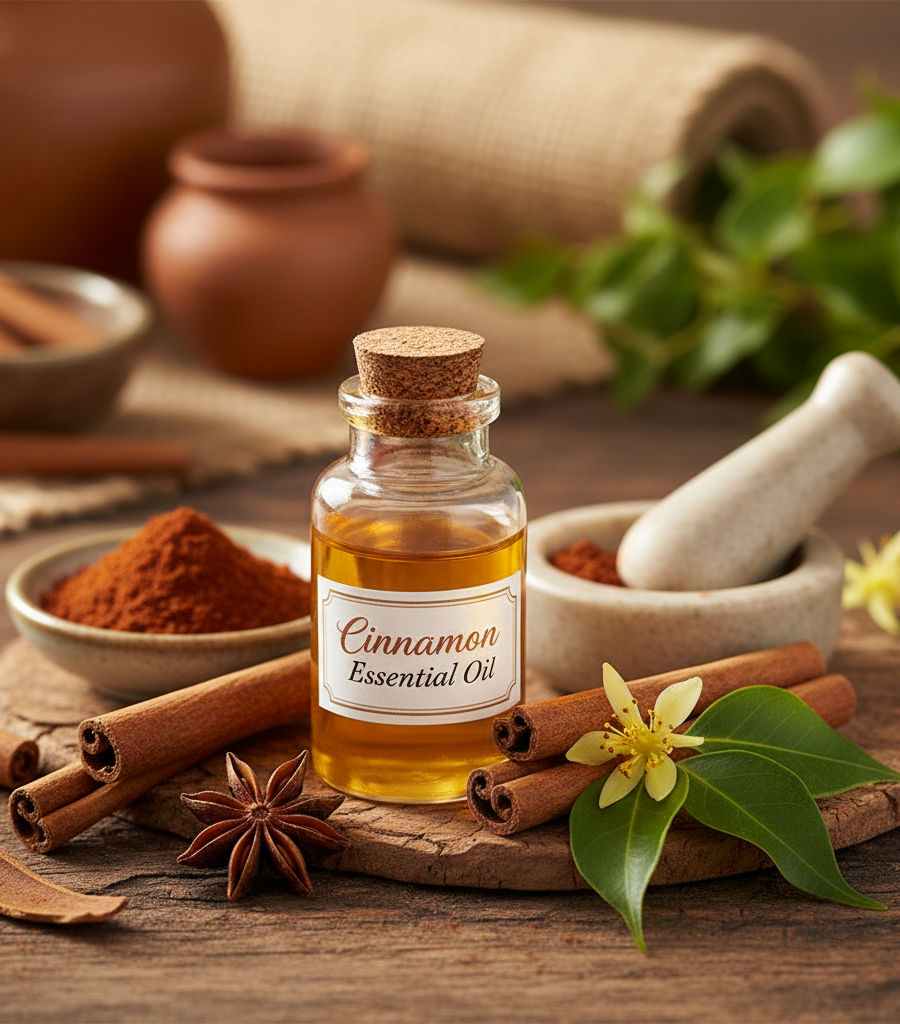
Cinnamon essential oil and its extracts show activity against several bacteria in vitro (in laboratory conditions), including E. coli, Salmonella, and Staphylococcus aureus. Some research also looks at combinations with cloves, where potential synergistic effects have been noted. This is useful in a scientific research context, but should by no means be considered a substitute for medical therapy for infections. More information can be found on MDPI and ScienceDirect.
Practical Tip: For home use, focus on culinary applications. Essential oils are very strong and are not recommended for improvised internal use.
6. Support for Skin and Acne: Cinnamon with Honey
Laboratory data indicates that cinnamon extract and honey, individually and in combination, show antibacterial action against bacteria associated with acne. However, this does not mean every skin type will react well. Due to its strong properties, cinnamon can irritate sensitive skin. You can read more about this on PMC.
Practical Tip: If you plan to try a cinnamon mask, be sure to do a patch test on a small area of skin before applying it to your entire face. Here is a simple recipe: 1 part cinnamon powder and 3 parts honey. Apply a thin layer and leave it on for 5 to 10 minutes, then rinse with lukewarm water.
7. Support for PCOS via Insulin Resistance
In Polycystic Ovary Syndrome (PCOS), several randomized studies have shown improvements in insulin and insulin resistance with cinnamon supplementation over a certain period. This is particularly important, as insulin resistance is a common part of the PCOS profile. For more information, visit PubMed.
Practical Tip: Cinnamon makes the most sense when integrated into a comprehensive plan that includes a healthy diet, sufficient sleep, and regular physical activity. The spice is a supplement, not the foundation of therapy.
8. Help with Pain and Stiffness in Arthritis, as Part of an Anti-inflammatory Regimen
There is a clinical trial in rheumatoid arthritis where cinnamon supplementation was associated with improvement in inflammatory markers and symptoms—of course, as a supplement and not as the sole approach. Details can be found on PubMed.
Practical Tip: Include cinnamon in meals with an anti-inflammatory profile: soups, stews, roasted vegetables, fish with olive oil. It combines excellently with other spices like ginger and turmeric, if they suit you.
How to Consume Cinnamon Every Day Without Complications
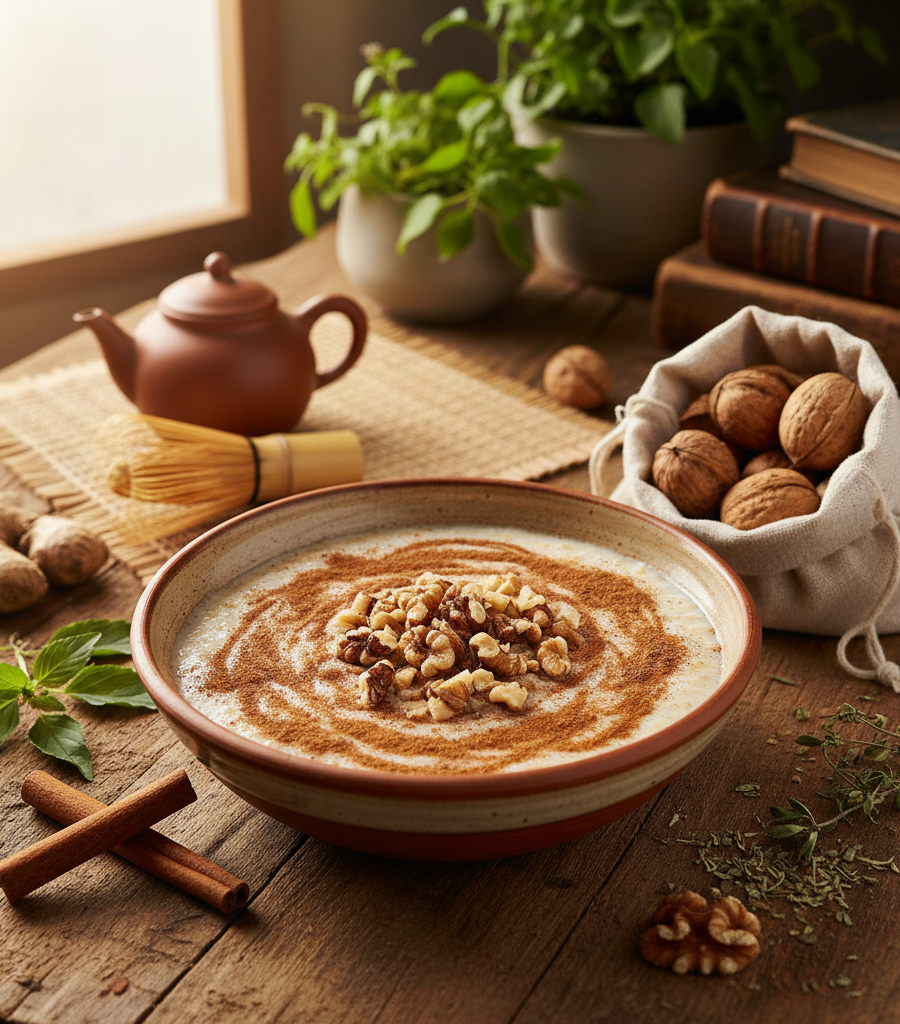
Incorporating cinnamon into your daily diet can be simple and delicious:
- Black or herbal tea with a pinch of cinnamon.
- Oatmeal with cinnamon and ground walnuts.
- Yogurt with cinnamon and seeds.
- Roasted pumpkin or sweet potato with cinnamon.
- Sugar-free coffee with a little cinnamon.
Cinnamon and Products
As we have noted, cinnamon is an excellent "daily" spice, but its effectiveness is most evident when it is part of a broader, holistic health routine.
For Sugar and Metabolism
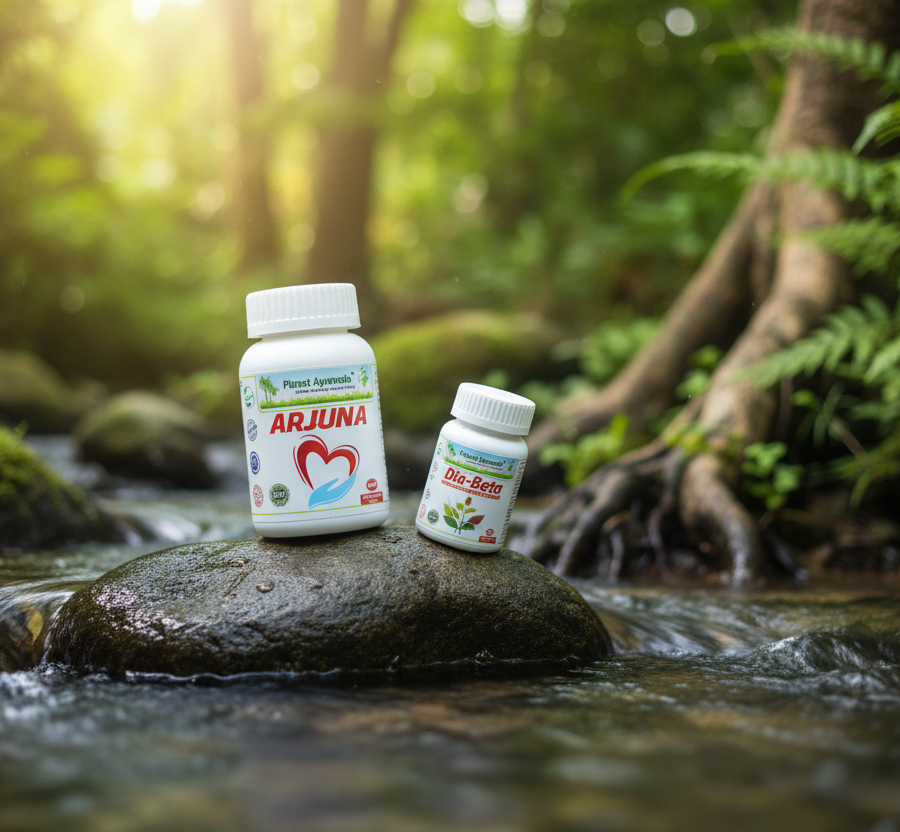
- Dia-beta plus, as Ayurvedic support in metabolism programs.
- Giloy, to support immune balance and inflammatory response.
- Amalaki formulas, as antioxidant support.
For Heart and Lipids
- Arjuna, as classic Ayurvedic support for the cardiovascular system.
- Guggul formulas, especially when the focus is on lipid metabolism.
For Inflammation and Joints
- Boswellia Curcumin, when joint comfort and inflammation are a priority.
For Women's Health and PCOS Routine
- Shatavari, as support for female reproductive balance, depending on the individual profile.
My logic is simple: daily inclusion of cinnamon in the diet, combined with a targeted product according to your specific health goal, can bring real changes.
Sources:
- Meta-analysis on glycemia in type 2 diabetes. PubMed
- Systematic review and meta-analysis for diabetes outcomes. MDPI
- Meta-analysis for lipid profile. PubMed
- Meta-analysis for blood pressure. PubMed
- Clinical trial for PCOS and insulin resistance. PubMed
- Clinical trial for rheumatoid arthritis. PubMed
- BfR recommendations for coumarin and Cassia cinnamon. Bundesinstitut für Risikobewertung
Available in the US
Products in this area of wellness
Traditionally used in the areas this article covers. They are not treatments for any condition, and nothing here is a recommendation for you specifically.
Disclosure: some links below are affiliate links. If you buy through them, AyurvedaGrid may earn a commission at no extra cost to you, and those products are listed first. Which products are relevant at all comes from the topic of the article — nothing here is a recommendation for you specifically.
- Ashwagandhadhi – Immunity & Strength Support(opens in a new tab)affiliateSri Sri Tattva USA· Tablet
Supports natural energy and vitality — strength and stamina
- Hello Energy®(opens in a new tab)Himalaya Wellness USA
Supports natural energy and vitality — natural stamina without stimulants
- Shilajit(opens in a new tab)Himalaya Wellness USA
Supports natural energy and vitality — stamina and rejuvenation
These statements have not been evaluated by the Food and Drug Administration. These products are not intended to diagnose, treat, cure or prevent any disease. Speak to your own healthcare provider before starting a supplement, particularly if you are pregnant, nursing, or taking medication.
Continue reading
 Ayurvedic Basics & Doshas
What is Ayurveda: A Complete Guide for Beginners and Healthy Living
Discover the power of Ayurveda: A comprehensive guide to the 5,000-year-old "Science of Life." Learn how to identify your unique doshas (Vata, Pitta, and Kapha), how to kindle your digestive fire (Agni), and how to integrate ancient rituals and powerful herbs into a modern lifestyle for perfect balance and longevity.
 Ayurveda
Turmeric as a Remedy: Benefits, Uses, and Best Recipes
This blog post serves as a comprehensive guide to the power of the "golden spice" – turmeric. The text explains in detail the anti-inflammatory and antioxidant properties of curcumin, its application for chronic pain, digestive issues, and boosting immunity. In addition to scientific facts, the post offers practical recipes for "golden milk" and tea, as well as recommendations for high-quality supplements for maximum results.
 Ayurveda
Natural home remedies everyone should know: Your kitchen as a pharmacy
Discover 19 simple and powerful home remedies from your kitchen that help with coughing, digestive issues, headaches, and boosting immunity. Learn how the ancient Ayurvedic wisdom can help you improve your health in a natural way.
Your Ayurvedic overview
Curious about your own constitution?
Take the free guided assessment and receive your personal Ayurvedic overview — about ten minutes, private to your account.
Start Your Journey