
Diet for Lupus (SLE): What to Eat and What to Avoid
Medically reviewed by Dr Girish Shirke, M.D. (Ayurved)September 5, 2026

INTRODUCTION
Lupus, also known as systemic lupus erythematosus (SLE), is an autoimmune disease that causes chronic inflammation. What is particularly tricky about lupus is the fact that this inflammation can vary from day to day, making it a challenge to manage. While there is no miracle diet that will cure lupus, nutrition has a huge impact on many aspects of our health – from energy levels and body weight to cardiovascular risk, bone health, and even how the body tolerates therapy. In fact, the goal is quite simple: to consume more foods with anti-inflammatory properties, limit processed foods, keep blood sugar stable, and provide enough nutrients for the body.

WHY IS PROPER NUTRITION IMPORTANT IN LUPUS?
When we talk about nutrition for lupus, we have several key goals aimed at improving quality of life and supporting overall health:
Reducing chronic inflammation: Through careful food choices, we can help the body calm the inflammatory response.
Protecting the heart and blood vessels: Lupus can increase the risk of cardiovascular disease, so a healthy diet is key to prevention.
Supporting bone health: This is especially important because certain medications, such as corticosteroids, can negatively affect bone density.
Weight and blood sugar control: Stable sugar and a healthy weight contribute to general well-being and help in managing lupus.
Individual adjustments: If lupus affects the kidneys or you have high blood pressure, the diet must be adjusted according to the specific needs of the body.
RECOMMENDED FOODS: Our Main Ally
Let's see which foods can support our body in the fight against inflammation.
Fruit: A Colorful Array for Health
The focus here is on variety and seasonal eating. The more colorful the selection, the better!
Berries: Strawberries, raspberries, blueberries, blackberries – true superfoods full of antioxidants.
Other favorites: Apples, pears, grapes, watermelon, figs, pineapple are excellent choices.
Avocado: Don't forget avocado, which is a rich source of good fats, essential for health.
Tip: A simple rule for balance is to try to eat half a plate of fruits and vegetables throughout the day. This way, you will surely consume enough vitamins and minerals.

Vegetables: Greenery on the Table
When it comes to vegetables, leafy greens and cruciferous vegetables should be at the top of your list.
Leafy greens: Spinach, kale, chard, arugula – items packed with important nutrients.
Cruciferous: Broccoli, cauliflower, cabbage – great for detoxification and immune support.
Other healthy options: Pumpkin, zucchini, carrots, beets, sweet potatoes, green beans, peas.
Healthy Fats: Essential for Every Cell
Not all fats are bad! Our bodies need healthy fats to function properly.
Olive oil: Extra virgin olive oil is the number one choice for cooking and salads.
Ghee (clarified butter): Can be used in small amounts, especially if you tolerate it well.
Nuts and seeds: Almonds, walnuts, flaxseeds, chia seeds – packed with omega-3 fatty acids.
Omega-3 rich fish: Salmon, mackerel, sardines – fantastic for reducing inflammation.
Proteins: Building Blocks of the Body
Choose lighter and "clean" protein sources so as not to burden the body.
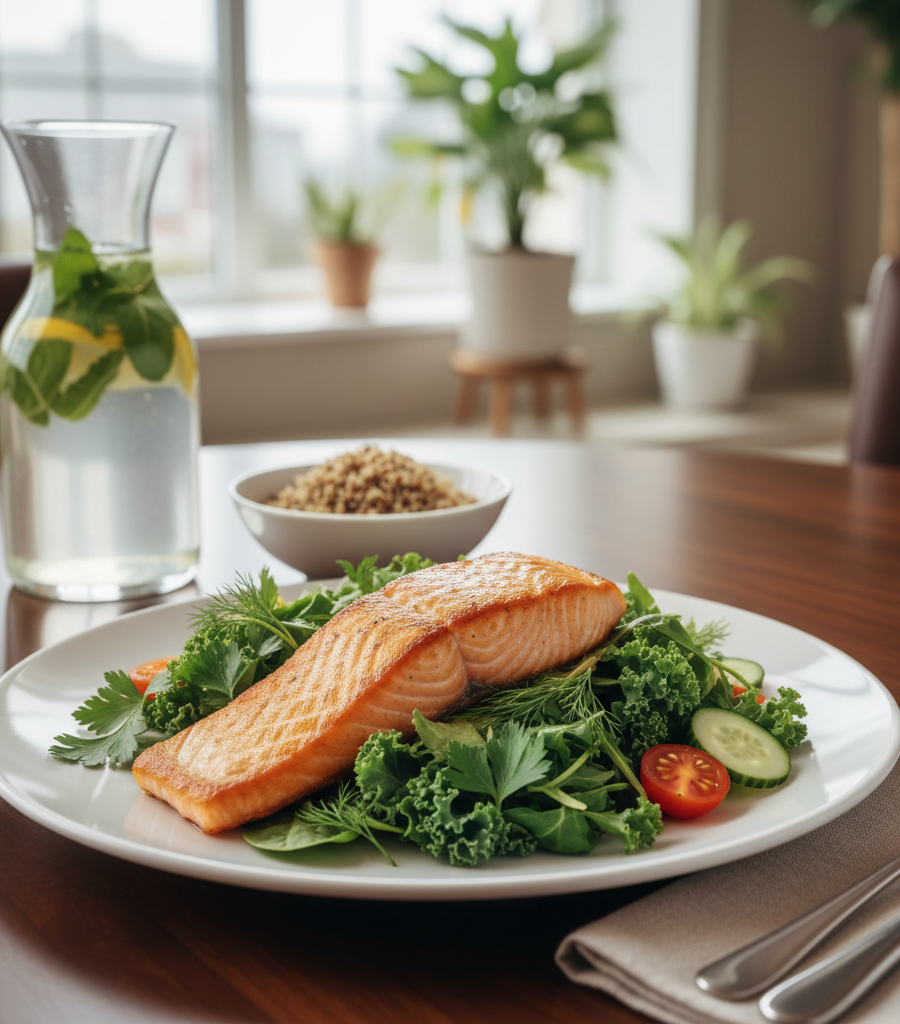
Fish: Salmon, mackerel, sardines, trout – best prepared baked, boiled, or grilled.
Legumes: Beans, lentils, chickpeas – plant-based sources of protein and fiber.
Eggs: Can be consumed in moderation, according to individual tolerance.
Nuts and seeds: Also a good source of protein, especially for vegetarians.
It is important to note that in lupus, there is no universal rule that meat is completely forbidden. However, it helps much more to limit processed and fatty meats than to go to extremes and avoid them entirely.
Grains and Fiber: Energy for the Whole Day
Whole grains are an excellent source of energy and fiber, which help maintain stable blood sugar.
Oatmeal: Especially delicious with forest fruits.
Whole grains: Brown rice, buckwheat, quinoa, whole grain bread.
Whole grain foods are key to include in the diet as they provide stable energy and prevent sudden sugar spikes.
Nuts and Seeds: Small but Mighty
These small wonders are a true treasure trove of healthy fats, proteins, and fiber.
Almonds, walnuts, hazelnuts: Great for snacking.
Chia, flaxseeds, sunflower seeds: You can add them to yogurt, smoothies, or salads.
Practical tip: Try soaking 4 almonds and 2 walnuts overnight, then peel and eat them in the morning. This improves their digestibility and nutrient absorption.
Beverages: Hydration is Key
Water: Definitely the most important drink and the foundation of healthy hydration.
Green tea and black tea: Can be drunk in moderation, as they are rich in antioxidants.
Our goal should be to drink 8 to 10 glasses of water a day, but of course, if your doctor has given any restrictions, follow their advice.
FOODS TO LIMIT OR AVOID: What to avoid to feel better
There are certain foods that can worsen inflammation and cause adverse reactions in people with lupus.

Processed and Fried Food: The Biggest Enemy
I think this is no surprise. This category is something that should be avoided as much as possible.
Fast food, fried food, industrially frozen meals – all of this is full of unhealthy fats and additives.
Chips, snacks, trans fats – besides being high in calories, they cause inflammation.
Refined Carbohydrates and Sugar: Watch the Sugar!
These can quickly increase blood sugar and cause inflammatory processes.
White flour, white pastries, sweets, biscuits.
Sweetened drinks, which are full of empty calories and sugar.
Alcohol and Carbonated Drinks: Better to Avoid Them
Alcohol: Especially if your therapy burdens the liver, alcohol should be avoided.
Carbonated and energy drinks: They are full of sugar and artificial ingredients, which are definitely not good for you.
Excessive Salt: Be Careful with Salty Items
Salty processed meats and canned food – they often contain too much salt. This is even more important if you have high pressure or kidney involvement due to lupus.
Alfalfa: Special Caution!
This is something many people don't know, but alfalfa sprouts and alfalfa supplements should be avoided. There is a link between their consumption and the worsening of symptoms in some people with lupus. It is better to stay away from them.
"Triggers" that Vary from Person to Person: Your Personal Food Detective
This is a very individual matter. What is a problem for one person might not be for another. For example, garlic, tomatoes, eggplant, citrus, dairy products – they cause problems for some people, but not for others. The most practical approach is to keep a diary for 14 days. Record symptoms, sleep quality, stress levels, what you ate, and how you reacted. This way, you will be able to identify your personal "triggers."
DAILY HABITS THAT MAKE A DIFFERENCE: Small steps to big changes
Besides diet, some daily habits can significantly improve your health and mood.

Physical activity: Walking for 30 minutes a day or light yoga can do wonders for your body and mind.
Regular sleep: Try to go to bed and wake up at the same time every day. Quality sleep is essential for body recovery.
Relaxation techniques: Since stress often worsens lupus symptoms, learn a relaxation technique, such as meditation or breathing exercises.
Quitting smoking: If you smoke, it is one of the best things you can do for your health. Smoking worsens the condition and increases the risk of heart disease.
HERBS AND SUPPLEMENTS OFTEN CONSIDERED: Natural Support
From the range, a combination focusing on inflammation, blood, and the immune system can be considered for natural support in Lupus:
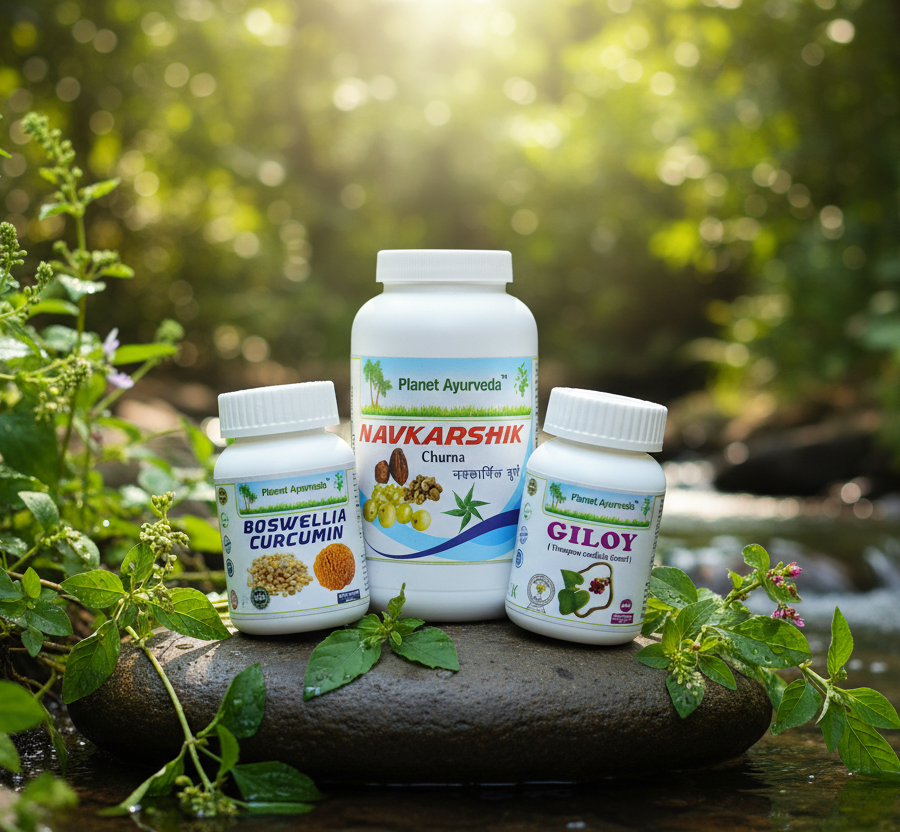
Navkarshik Churna – This herbal blend is aimed at purifying the blood and calming chronic inflammation. It is often used in conditions involving joint pain, stiffness, rashes, and sensitive skin. It supports better circulation and helps the body more easily expel excess "heat" and toxins, which in Ayurveda are associated with autoimmune processes. I consider it useful as long-term support for individuals with inflammatory rheumatic conditions and sensitive skin.
Boswellia Curcumin – The combination of boswellia and curcumin provides strong anti-inflammatory support. It is used for chronic joint pain, morning stiffness, swelling, and pain during movement. It supports the reduction of the inflammatory response in the body and helps joints remain mobile and less painful. This combination is often chosen by individuals with autoimmune rheumatic diseases seeking milder, herbal support alongside standard therapy.
Giloy – A well-known Ayurvedic herb with strong immunomodulatory effects. It does not "suppress" immunity but helps balance the immune response so the body "overreacts" less against its own tissues. It also supports blood and liver detoxification, which is very important for individuals using various medications over a long period. It is used for chronic fatigue, recurring inflammation, and long-term autoimmune conditions, and in my experience, it can be very useful.
Amalaki Rasayan – A concentrated form of amla, which is a rich source of natural vitamin C and antioxidants. This formula supports tissue regeneration, especially of the skin, mucous membranes, blood, and nervous system. It is very useful for individuals with chronic fatigue, loss of energy, dry or sensitive skin, and the consequences of long-term stress or illness. From an Ayurvedic perspective, it helps "cool" the internal inflammatory state and increase the strength and resistance of the organism.
EXAMPLE FOR ONE DAY: What would my meal look like?
Here is an idea of what a day with a healthy diet might look like:
Breakfast:
Oatmeal with forest fruits, chia, or flaxseeds.
Tea or water.
Snack:
An apple and a handful of walnuts.
Lunch:
Baked fish and a large salad with olive oil.
Whole grain side dish, such as buckwheat or quinoa.
Snack:
Low-fat yogurt or avocado, depending on what you tolerate better.
Dinner:
Vegetable soup with lentils, or roasted vegetables with legumes.
FREQUENTLY ASKED QUESTIONS: Clarifying Dilemmas

Is there a "lupus diet"?
No, there is no single universal "lupus diet." The focus is on a balanced, anti-inflammatory diet, with individual adjustments according to the needs of each person.
Are all dairy products forbidden?
There is no universal rule for this. For some people, fermented low-fat dairy products (like yogurt or kefir) are tolerated better than others. Listen to your body.
What about kidneys and lupus nephritis?
If lupus affects the kidneys (lupus nephritis), dietary restrictions depend on laboratory analysis results and prescribed therapy. Most often, salt and protein intake are adjusted.
Why is alfalfa a problem?
There are clear recommendations to avoid alfalfa sprouts and alfalfa supplements in people with lupus. Research shows they can trigger or worsen symptoms in certain patients. Therefore, it is better to be cautious.
Here are the sources, so we don't rely on "they told me on Facebook":
Lupus Foundation of America. Eating healthy when you have lupus. May 17, 2024. Accessed 23.12.2025. Lupus Foundation of America
Lupus Foundation of America. Lupus nutrition FAQs. Accessed 23.12.2025. Lupus Foundation of America
Lupus Foundation of America. The Expert Series. Diet and lupus. Accessed 23.12.2025. Lupus Foundation of America
Johns Hopkins Lupus Center. 5 Things to Avoid if You Have Lupus. Accessed 23.12.2025. Johns Hopkins Lupus Center
Johns Hopkins Lupus Center. Diet. Accessed 23.12.2025. Johns Hopkins Lupus Center
National Institute of Arthritis and Musculoskeletal and Skin Diseases (NIAMS). Living With Lupus. Accessed 23.12.2025. NIAMS
Hospital for Special Surgery (HSS). Nutrition and Lupus. How to Maintain a Healthy Diet. Jun 24, 2019. Accessed 23.12.2025. Hospital for Special Surgery
Arthritis Foundation. Anti-Inflammatory Diet Do's and Don'ts. Accessed 23.12.2025. Arthritis Foundation
Constantin MM, et al. Significance and impact of dietary factors on systemic lupus erythematosus. 2018. (PMC). Accessed 23.12.2025. PMC
Chen J, et al. Life factors acting on systemic lupus erythematosus. Frontiers in Immunology. 2022. Accessed 23.12.2025. Frontiers
Malinow MR, et al. Systemic lupus erythematosus-like syndrome in monkeys fed alfalfa sprouts. PubMed. 1982. Accessed 23.12.2025. PubMed
Huerta MDR, et al. Healthy lifestyle habits for patients with systemic lupus erythematosus. Systematic review. 2016. sciencedirect.com
Continue reading
 Ayurvedic Basics & Doshas
What is Ayurveda: A Complete Guide for Beginners and Healthy Living
Discover the power of Ayurveda: A comprehensive guide to the 5,000-year-old "Science of Life." Learn how to identify your unique doshas (Vata, Pitta, and Kapha), how to kindle your digestive fire (Agni), and how to integrate ancient rituals and powerful herbs into a modern lifestyle for perfect balance and longevity.
 Ayurveda
Turmeric as a Remedy: Benefits, Uses, and Best Recipes
This blog post serves as a comprehensive guide to the power of the "golden spice" – turmeric. The text explains in detail the anti-inflammatory and antioxidant properties of curcumin, its application for chronic pain, digestive issues, and boosting immunity. In addition to scientific facts, the post offers practical recipes for "golden milk" and tea, as well as recommendations for high-quality supplements for maximum results.
 Ayurveda
Natural home remedies everyone should know: Your kitchen as a pharmacy
Discover 19 simple and powerful home remedies from your kitchen that help with coughing, digestive issues, headaches, and boosting immunity. Learn how the ancient Ayurvedic wisdom can help you improve your health in a natural way.
Your Ayurvedic overview
Curious about your own constitution?
Take the free guided assessment and receive your personal Ayurvedic overview — about ten minutes, private to your account.
Start Your Journey