
Diet for Hypothyroidism: Best Foods and Tips
Medically reviewed by Dr Girish Shirke, M.D. (Ayurved)September 5, 2026
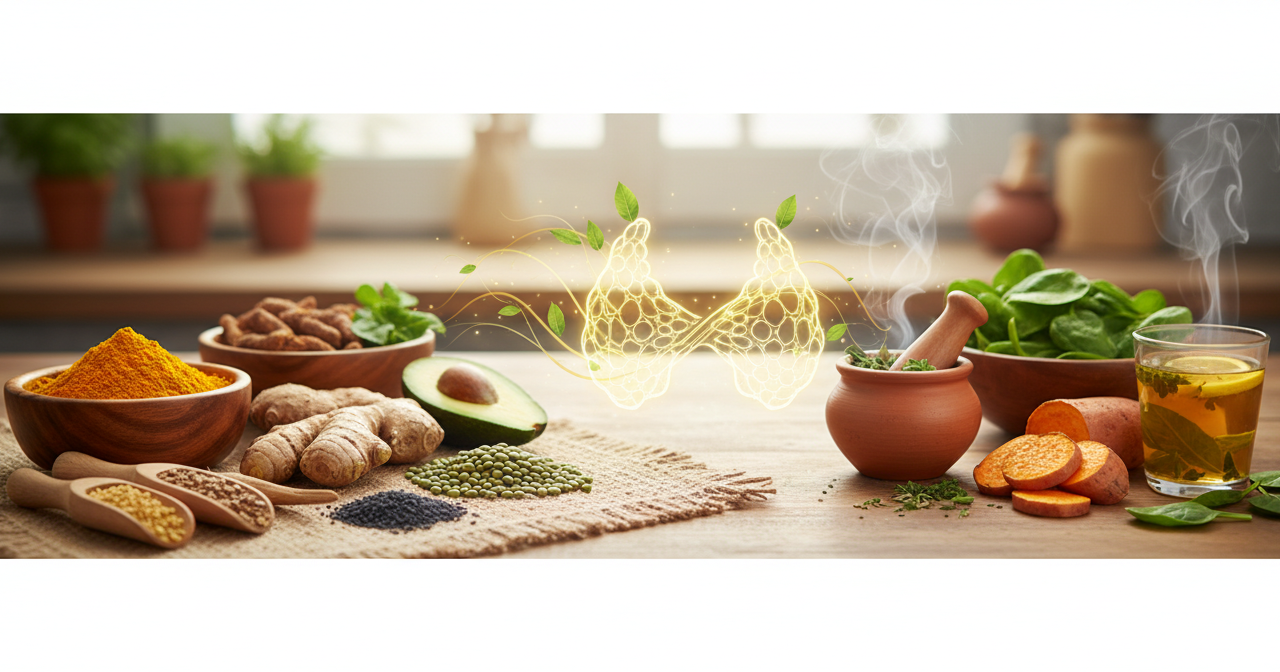
If you have problems with your weight, are unusually tired, have suddenly become too sensitive to the weather, noticed that your skin is dry, or have even recently become more forgetful or prone to depression, menstrual problems, and fertility issues, you may need to check your thyroid gland.
Why is proper nutrition important for hypothyroidism?
Having hypothyroidism makes you more prone to weight gain. If your diet is high in processed foods, you are essentially overloading your body with fats, sugar, iodine, and sodium, which can worsen weight gain and impair thyroid function. As much as possible, try to eat plenty of fresh vegetables and fruits and stick to healthy, balanced meals rich in nutrients so that every calorie counts. Here is a list of foods that should help you win the fight against hypothyroidism. But remember, it is equally important to know which foods to avoid for hypothyroidism and to watch your portions of these potentially problematic foods.
Key foods to support the thyroid gland
Fish and omega-3 fatty acids
Flax and chia seeds are vegan sources of heart-healthy omega-3 fatty acids and are also rich in fiber that aids digestion.
If your hypothyroidism is related to Hashimoto's disease, an autoimmune disorder that can cause hypothyroidism, you may be at risk of developing high cholesterol levels and heart disease. Therefore, you should consider consuming more heart-healthy omega-3 fatty acids. It is even believed that this anti-inflammatory nutrient helps lower cholesterol levels. This can be invaluable if you have experienced weight gain or high cholesterol levels from hypothyroidism and need to reduce the risk of developing heart disease. And there is no better way to get your omega-3 fatty acids than from fatty fish such as sardines, salmon, tuna, or rainbow trout.
Foods rich in zinc and selenium
Zinc is generally needed for the production of thyroid hormones. It is a good idea to monitor your zinc intake and ensure you are consuming enough zinc-rich foods like seafood, chicken, whole grains, or yogurt. The recommended dietary allowance (RDA) of zinc is 11 mg for men and 8 mg for women. If you are pregnant, the RDA increases to 11 mg, and when breastfeeding, it increases to 12 mg per day.
Vegetable and bone broth.
Try to include vegetable or bone broths in your regular diet. They are rich in minerals that your body needs to produce thyroid hormones and to activate hormones. Plus, they are relatively low in calories and fat, making them a good option. Add plenty of herbs like parsley, which also supports the thyroid gland, for an extra boost of benefits.
Sources of iron and lean proteins
Iron is another mineral your body needs for normal thyroid function. As with zinc, hypothyroidism can interfere with iron metabolism. And, equally, insufficient iron can play a role in worsening thyroid function.
Since hypothyroidism will make you prone to high cholesterol levels, it is a good idea to consider switching to lean protein sources. Plant-based protein sources like lentils or beans are good choices, while meat eaters should opt for lean cuts of pork, fish, chicken, or turkey.
Try to increase your intake of iron-rich foods if you have an iron deficiency. Peas, mushrooms, green beans, and parsley are some plant-based food options from which your body will better absorb iron. Stick to lean cuts of beef and pork, or try game meat, such as duck, or seafood like octopus or oysters.
Probiotic foods for better digestion
Start eating foods that have a probiotic effect, such as fermented foods and dairy products with good bacteria in them. They help stimulate digestion by increasing the secretion of stomach acid and restoring the balance of good bacteria in the body. Probiotics can also improve immune system function and may help if you have a nutrient deficiency by aiding digestion.
Try foods like the fermented dairy product kefir or yogurt, the healthy drink kombucha, or fermented vegetables.
Natural helpers and dietary supplements
Apple cider vinegar
Apple cider vinegar is a good detoxifying agent that can help restore alkaline balance and regulate hormone levels. Take it before meals mixed in a little warm water to stimulate the production of stomach acid.
Foods rich in fiber: berries and barley.
Soluble fiber can help balance and regulate blood sugar levels and aid digestion, making fiber-rich foods a smart choice if you have hypothyroidism. Include plenty of fresh vegetables like beans and peppers and fruits like berries in your diet. Grains like barley and oatmeal also increase fiber intake.
Both soluble and insoluble fiber are said to help heart health, which is another reason to eat these foods. The goal is to consume 38 grams of fiber per day if you are an adult male under 50 and 25 grams per day if you are a woman of the same age. After age 50, men need 30 grams of fiber per day and women need 21 grams. You can also get insoluble fiber from carrots and tomatoes.
Coconut oil
Coconut oil is popular for hypothyroidism and can help speed up your metabolism and also aid in weight loss. It can also increase basal temperature and help suppress fat accumulation. It is rich in antioxidant vitamins and can also help improve cholesterol levels.
Ginger and turmeric
These anti-inflammatory foods are also rich in nutrients that support the thyroid gland. Ginger, for example, is rich in magnesium, potassium, and zinc. Both turmeric and ginger could help improve and normalize thyroid function.
Important: Watch your iodine and vitamin B12 intake
Foods rich in vitamin B12: eggs and tuna
"Iodine is a mixed bag when it comes to hypothyroidism. The right balance is vital. While your body needs it to produce thyroid hormones, too much of it can be equally problematic and can worsen hypothyroidism. Consult your doctor before increasing your intake of iodine-rich foods, such as seaweed or iodized salt, in your diet.
If you are not getting adequate levels of vitamin B12, it can harm your thyroid gland. Additionally, vitamin B12 intake can ease fatigue and symptoms associated with depression from hypothyroidism. Try eating fish like tuna, rainbow trout, or salmon. Many cereals are also fortified to meet your B12 needs.
Foods rich in selenium: Brazil nuts and turkey
Selenium is vital for thyroid health, but as with iodine, too much selenium can be a problem. Get tested for selenium levels and make sure you are reaching the daily recommended levels. Eat foods rich in selenium like yellowfin tuna, sardines, mushrooms, turkey, chicken, and beans. Your doctor may also recommend selenium supplements if you are found to be deficient.
Conclusion: Take control of your health
Changing your lifestyle and introducing a proper diet for hypothyroidism is not just a matter of appearance, but of how you feel every day. By choosing nutrient-rich foods and avoiding processed foods, you are directly helping your body restore energy, speed up metabolism, and alleviate unpleasant symptoms.
However, remember that every body is different. Before making major changes to your diet or introducing new supplements, it is always wise to consult with your endocrinologist to check your hormone and mineral levels. Your thyroid gland is your body's little engine – feed it wisely so it runs flawlessly!
Continue reading
 Ayurvedic Basics & Doshas
What is Ayurveda: A Complete Guide for Beginners and Healthy Living
Discover the power of Ayurveda: A comprehensive guide to the 5,000-year-old "Science of Life." Learn how to identify your unique doshas (Vata, Pitta, and Kapha), how to kindle your digestive fire (Agni), and how to integrate ancient rituals and powerful herbs into a modern lifestyle for perfect balance and longevity.
 Ayurveda
Turmeric as a Remedy: Benefits, Uses, and Best Recipes
This blog post serves as a comprehensive guide to the power of the "golden spice" – turmeric. The text explains in detail the anti-inflammatory and antioxidant properties of curcumin, its application for chronic pain, digestive issues, and boosting immunity. In addition to scientific facts, the post offers practical recipes for "golden milk" and tea, as well as recommendations for high-quality supplements for maximum results.
 Ayurveda
Natural home remedies everyone should know: Your kitchen as a pharmacy
Discover 19 simple and powerful home remedies from your kitchen that help with coughing, digestive issues, headaches, and boosting immunity. Learn how the ancient Ayurvedic wisdom can help you improve your health in a natural way.
Your Ayurvedic overview
Curious about your own constitution?
Take the free guided assessment and receive your personal Ayurvedic overview — about ten minutes, private to your account.
Start Your Journey