
Diet for Gastritis: How to soothe your stomach?
Medically reviewed by Dr Girish Shirke, M.D. (Ayurved)September 5, 2026
Introduction
Gastritis, in essence, is an inflammation of the stomach lining. It usually manifests with unpleasant symptoms such as a burning sensation, pain, heaviness after meals, bloating, nausea, and even heartburn. When facing gastritis, the first and most important step toward calming these symptoms is adjusting your diet. The goal is simple: to reduce stomach irritation, facilitate digestion, and introduce regular, small meals.

What Most Often Worsens Gastritis?
From my experience, and according to generally accepted knowledge, several factors significantly contribute to the worsening of gastritis:
Irregular meals and overeating are a huge problem for the stomach.
Spicy, acidic, and fried foods are a real challenge for the sensitive lining.
Coffee, alcohol, and cigarettes are well-known irritants.
Stress and insufficient sleep have a direct impact on the digestive system.
Some medications, especially certain analgesics, can be very aggressive if taken on an empty stomach.
In some people, infection with the H. pylori bacteria is a common cause.
It is very important to seek medical help if you feel severe pain, experience vomiting, notice black stools, blood in the stool or vomit, or have unexplained weight loss – these are warning signs that require a quick reaction.
Basic Dietary Rules for Gastritis
To help your stomach, it is important to adhere to the following principles:
Eat more often, but in smaller portions. Three main meals and one to two small snacks are an ideal schedule.
Food should always be warm, never cold, directly from the refrigerator.
Give preference to thermally processed food: boiled, steamed, baked, as well as various stews.
Eat slowly and chew your food thoroughly. That is the first step toward good digestion.
Avoid lying down immediately after a meal. Wait at least 2 to 3 hours.
Drink water between meals, not in large quantities during eating, so as not to dilute the gastric juices.
What to Eat During Gastritis
Vegetables (Best Thermally Processed)
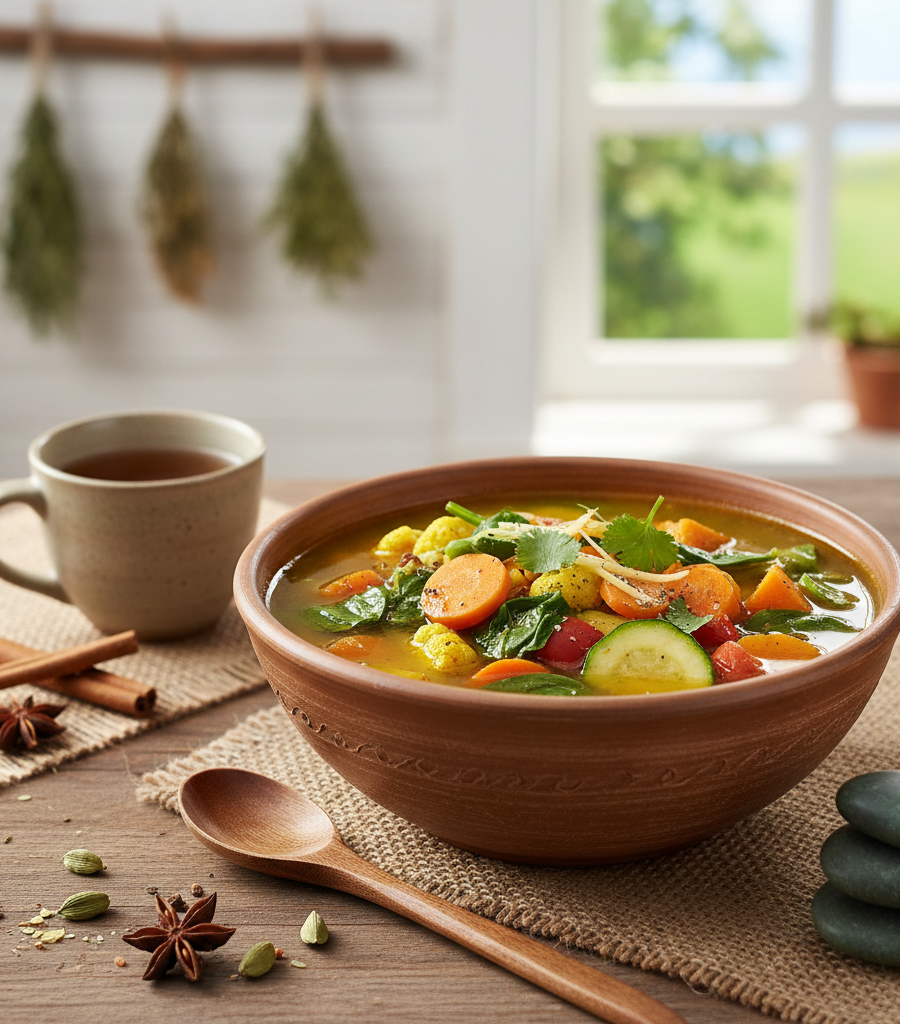
When it comes to vegetables, prefer them thermally processed:
Pumpkin, zucchini, carrots, and beets are excellent options.
Potatoes, green beans, and lentils are also well-tolerated.
Cucumber and leafy green vegetables are good, but boiled or briefly blanched.
Vegetable soups and stews, cream soups, and vegetable purees are my recommendation.
Fruit (Sweet, Ripe, at a Separate Time)
You should be careful with fruit. It is best to choose sweet and ripe fruit and consume it at a separate time:
Apples, pears, melons, and bananas are usually well-received.
Eat them 30 to 60 minutes before a meal, or 2 to 3 hours after a meal.
If fresh fruit causes a burning sensation, try baked apples or sugar-free compote.
Grains and Light Dishes
Regarding grains and light food:
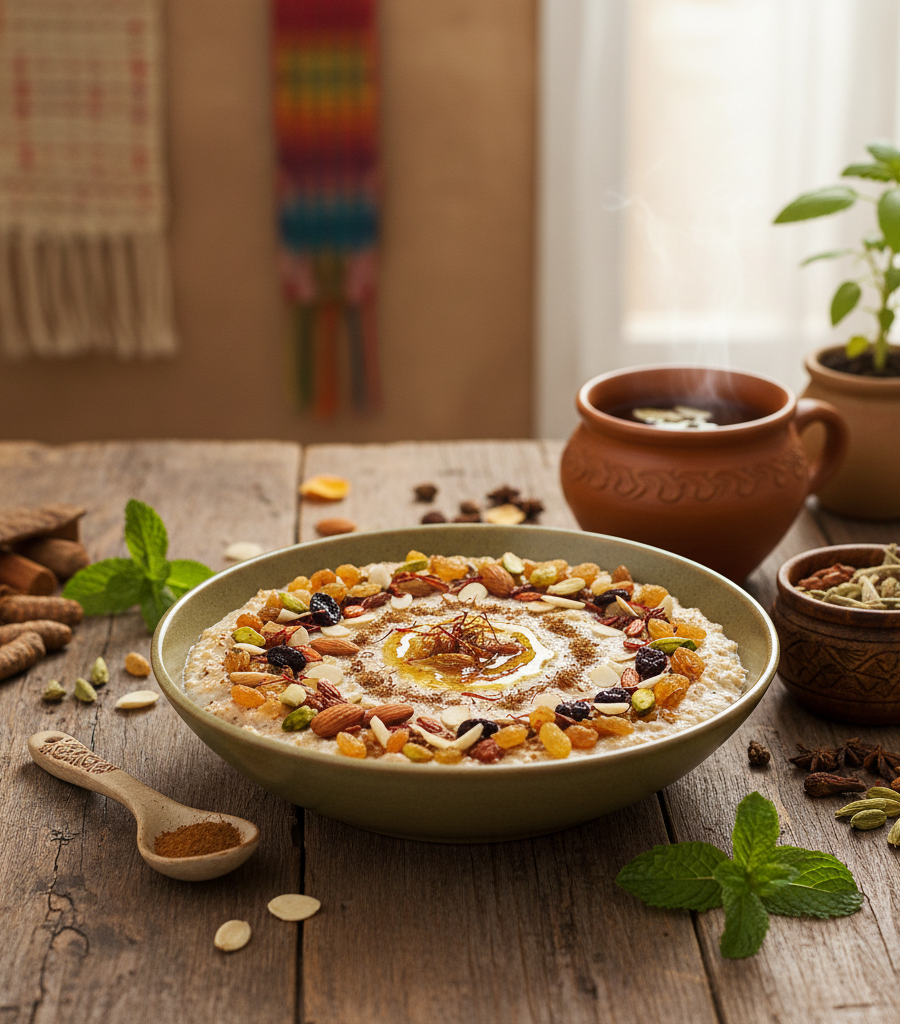
Oatmeal is an excellent choice for breakfast.
Brown rice (if it suits you) and rice porridge can also be part of the diet.
Whole grain toast is good in small quantities.
Light vegetarian stews are ideal for dinner.
Baked pumpkin for dinner, of course, if it suits you.
Proteins (Light, Moderate)
Proteins must be light and consumed in moderation:
Well-cooked lentils in a stew are a good option.
Chicken meat, boiled or baked, in small portions and without many spices, if it suits you, can be included.
However, if you are in an active phase with strong burning, focus on stews and porridges for a few days to calm the stomach.
Fats That Are Most Often Tolerated
Fats are allowed, but in small quantities and of the appropriate type:
Olive oil, a little, added after cooking.
Coconut oil, also in small doses.
Ghee, a small amount in warm food, can be a good choice.
Beverages and Teas for Calming
Tea Blend for Gastritis (1 cup daily)
To calm the stomach, from my experience, the following blend helps a lot:
Composition: fennel, cumin, coriander, thyme. Preparation: Simply pour warm water over them and let it sit for 10 minutes. Drink it lukewarm.

Mint Tea
Mint tea, drunk lukewarm, is excellent especially if you have heaviness and bloating. However, if you notice that it increases your acidity, stop immediately.
Fennel After a Meal
After a meal, chew 1 teaspoon of fennel seeds. This helps with gas and the feeling of heaviness in the stomach – I highly recommend it.
Plant-Based Milk
Plant-based milks such as almond, rice, or oat are good alternatives; just choose those without added sugar. But be careful, if they cause bloating, reduce the amount or stop consumption.
Suggested Weekly Juice Routine
To see what suits you best, I suggest choosing one type of juice and drinking it for 7 days, then trying another the following week:
Wheatgrass juice 50 ml
Fresh leafy green vegetable juice 50 ml
Pomegranate juice 50 ml
Apple and avocado juice 50 ml
Parsley and carrot juice 50 ml
Fresh cabbage juice 50 ml
Fresh pumpkin juice 50 ml
For gastritis, cabbage juice is often recommended due to its healing properties; however, in some people, it can cause gas. Therefore, start with a small amount, about 20 to 30 ml, and carefully monitor your body's reaction.
Example Daily Menu for Gastritis
To give you a clearer picture, here is a suggestion for a daily menu:
Upon Waking:
Lukewarm water, never cold.
After 15 minutes, 50 ml of juice (if you decide to use it).
Breakfast:
Oatmeal with a little plant-based milk, or
Boiled rice as a porridge, with a little ghee.
Snack:
Banana, but consumed separately from meals, or
Baked apple.
Lunch:
Vegetable stew (for example, from pumpkin, carrot, potato).
Boiled rice or mashed potatoes.
Optionally, a small portion of chicken, if it suits you.
Afternoon:
Tea made from fennel, cumin, coriander, and thyme.
Water between meals.
Dinner:
Light vegetarian stew, or
Baked pumpkin.
Afterward, one teaspoon of fennel for chewing.
What to Avoid with Gastritis
Some foods and habits are absolutely forbidden or should at least be avoided:

Vinegar: Avoid it completely in salads, especially in the acute phase.
Citrus and acidic fruits: Lemon, orange, kiwi. If they bother you, eliminate them completely.
Tomatoes and tomato sauces often cause problems.
Onions, garlic, ginger, and spicy food – if they cause burning, then they are not for you.
Coffee, cocoa, hot chocolate, and carbonated drinks are a big NO.
Green and black tea, if they increase your acidity, stop immediately.
Alcohol and cigarettes are the stomach's biggest enemies.
Fast food, fried, canned, and frozen ready-made meals should be removed from the diet.
Biscuits and industrial sweets are just empty calories that irritate the stomach.
Milk and dairy products – if they cause acidity or bloating, avoid them.
Nuts (almonds, hazelnuts, walnuts) – if they "scratch" or cause acidity, it's better to omit them.
White flour and pasta. If you still want to eat them, choose whole grain and in small quantities.
Stress and Gastritis
The stomach is closely connected to the nervous system. If you have gastritis, stress almost always worsens the symptoms. Therefore, here are some recommendations for reducing stress:
Try to go to bed at the same time and ensure a minimum of 7 hours of sleep.
Before sleep, dedicate 10 minutes to quiet breathing.
A short walk after lunch, from 10 to 15 minutes, can work wonders.
Reduce screen time in the evening.
Natural Support
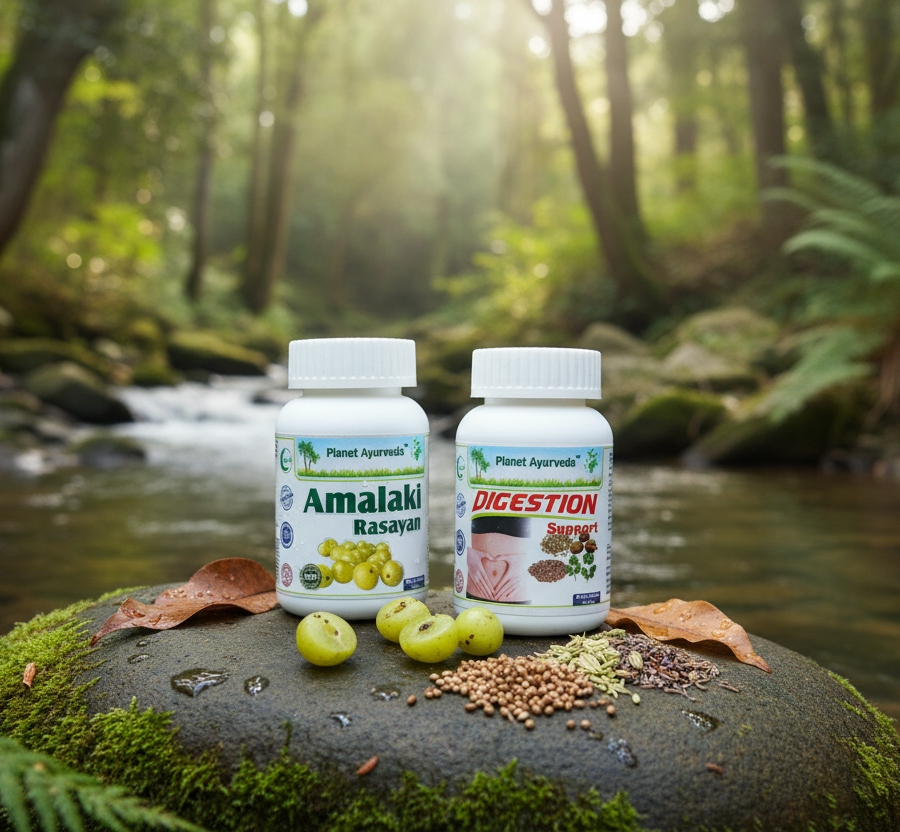
Amalaki Rasayan
Amalaki is a traditional herb used to support the lining and balance acidity. I often recommend it when there is burning, sensitivity, and a need for gentle, daily support.
How to incorporate it:
Take it according to the instructions on the package.
Start with a smaller amount, always after a meal.
If it suits you, continue every day for 4 to 8 weeks.
Digestion Support
This formula, as the name suggests, is intended to support digestion, especially when you feel heaviness, gas, bloating, or slow stomach emptying. In gastritis, it is extremely important for digestion to be calm, without "reflux" and pressure.
How to incorporate it:
Take it according to the instructions on the package.
Usually, it makes sense to take it after lunch and dinner.
If you have severe burning, first stabilize the stomach with a light diet for a few days, then add this supplement.
Short FAQ for Gastritis Diet
Is water during a meal a problem?
Drinking large amounts of water during eating often causes a feeling of heaviness and dilutes gastric juices. Therefore, drink more between meals.
Is a banana good?
Bananas are often well-tolerated, but it is best to consume them separately from main meals.
Should meat be completely eliminated?
In the active phase, light stews and porridges calm the stomach the fastest. Afterward, you can include a small portion of chicken, if it suits you.
How long should this regimen be followed?
For acute calming of symptoms, I recommend sticking to this regimen for 7 to 14 days. Then, gradually expand the diet, carefully monitoring your body's reaction.
References:
National Institute of Diabetes and Digestive and Kidney Diseases (NIDDK). Gastritis & Gastropathy. NIDDK
National Institute of Diabetes and Digestive and Kidney Diseases (NIDDK). Symptoms & Causes of Gastritis & Gastropathy. NIDDK
National Institute of Diabetes and Digestive and Kidney Diseases (NIDDK). Eating, Diet, & Nutrition for Gastritis & Gastropathy. NIDDK
Mayo Clinic. (14 February 2024). Gastritis, Symptoms and causes. Mayo Clinic+1
Mayo Clinic. (14 February 2024). Gastritis, Diagnosis and treatment. Mayo Clinic
Cleveland Clinic. Gastritis, What It Is, Symptoms, Causes & Treatment. Cleveland Clinic+1
Harvard Health Publishing. Gastritis. Harvard Health
Harvard Health Publishing. The gut-brain connection. Harvard Health
Cheney, G. (1949). Rapid healing of peptic ulcers in patients receiving fresh cabbage juice. PubMed
Doll, R. (1954). Clinical trial of Robaden and of cabbage juice in the treatment of gastric ulcer. ScienceDirect
Al-Rehaily, A. J. et al. (2002). Gastroprotective effects of "Amla" (Emblica officinalis) in experimental models. PubMed+1
Amalaki Rasayan, product description.
Digestion Support, product description.
European Medicines Agency (EMA). (31 January 2024). European Union herbal monograph on Foeniculum vulgare (fennel) fructus. European Medicines Agency (EMA)
European Medicines Agency (EMA). Anisi fructus, herbal medicinal product information. European Medicine
Available in the US
Products in this area of wellness
Traditionally used in the areas this article covers. They are not treatments for any condition, and nothing here is a recommendation for you specifically.
Disclosure: some links below are affiliate links. If you buy through them, AyurvedaGrid may earn a commission at no extra cost to you, and those products are listed first. Which products are relevant at all comes from the topic of the article — nothing here is a recommendation for you specifically.
- Daily Cleanse Kit #1(opens in a new tab)affiliateSri Sri Tattva USA· Kit
Supports the body's natural cleansing — daily cleanse routine
- Daily Cleanse Kit #2(opens in a new tab)affiliateSri Sri Tattva USA· Kit
Supports the body's natural cleansing — daily cleanse routine
- Digestion Kit(opens in a new tab)affiliateSri Sri Tattva USA· Kit
Supports healthy digestion and agni — everyday digestive comfort
These statements have not been evaluated by the Food and Drug Administration. These products are not intended to diagnose, treat, cure or prevent any disease. Speak to your own healthcare provider before starting a supplement, particularly if you are pregnant, nursing, or taking medication.
Continue reading
 Ayurvedic Basics & Doshas
What is Ayurveda: A Complete Guide for Beginners and Healthy Living
Discover the power of Ayurveda: A comprehensive guide to the 5,000-year-old "Science of Life." Learn how to identify your unique doshas (Vata, Pitta, and Kapha), how to kindle your digestive fire (Agni), and how to integrate ancient rituals and powerful herbs into a modern lifestyle for perfect balance and longevity.
 Ayurveda
Turmeric as a Remedy: Benefits, Uses, and Best Recipes
This blog post serves as a comprehensive guide to the power of the "golden spice" – turmeric. The text explains in detail the anti-inflammatory and antioxidant properties of curcumin, its application for chronic pain, digestive issues, and boosting immunity. In addition to scientific facts, the post offers practical recipes for "golden milk" and tea, as well as recommendations for high-quality supplements for maximum results.
 Ayurveda
Natural home remedies everyone should know: Your kitchen as a pharmacy
Discover 19 simple and powerful home remedies from your kitchen that help with coughing, digestive issues, headaches, and boosting immunity. Learn how the ancient Ayurvedic wisdom can help you improve your health in a natural way.
Your Ayurvedic overview
Curious about your own constitution?
Take the free guided assessment and receive your personal Ayurvedic overview — about ten minutes, private to your account.
Start Your Journey