
Diet for Arthritis: What to Eat and What to Avoid?
Medically reviewed by Dr Girish Shirke, M.D. (Ayurved)September 5, 2026

INTRODUCTION
Arthritis is much more than simple joint pain. It significantly changes the way you move, affects sleep quality, energy levels, and even mood. In this entire context, an arthritis diet plays a truly important role, as it directly affects inflammatory processes, fluid retention, body weight, and digestion.
When you opt for warm, easily digestible, and thermally processed food, you significantly ease the burden on the digestive system. Also, by choosing fats and spices with proven anti-inflammatory properties, you provide the body with the right support to calm down and regenerate.
This guide aims to offer you clear and practical lists: what to include more often in your menu and what to avoid. Additionally, you will find several home recipes and tips for topical application, tried by many people in search of relief. If you are currently on therapy, always consult your doctor before making major dietary changes.
WHAT IS THE GOAL OF AN ARTHRITIS DIET?
Reducing inflammation in the body.
Alleviating morning stiffness, which is often most pronounced.
Improving digestion and reducing bloating.
Maintaining a healthy body weight to reduce pressure on the joints.
Providing essential nutrients to strengthen bones, cartilage, and muscles.
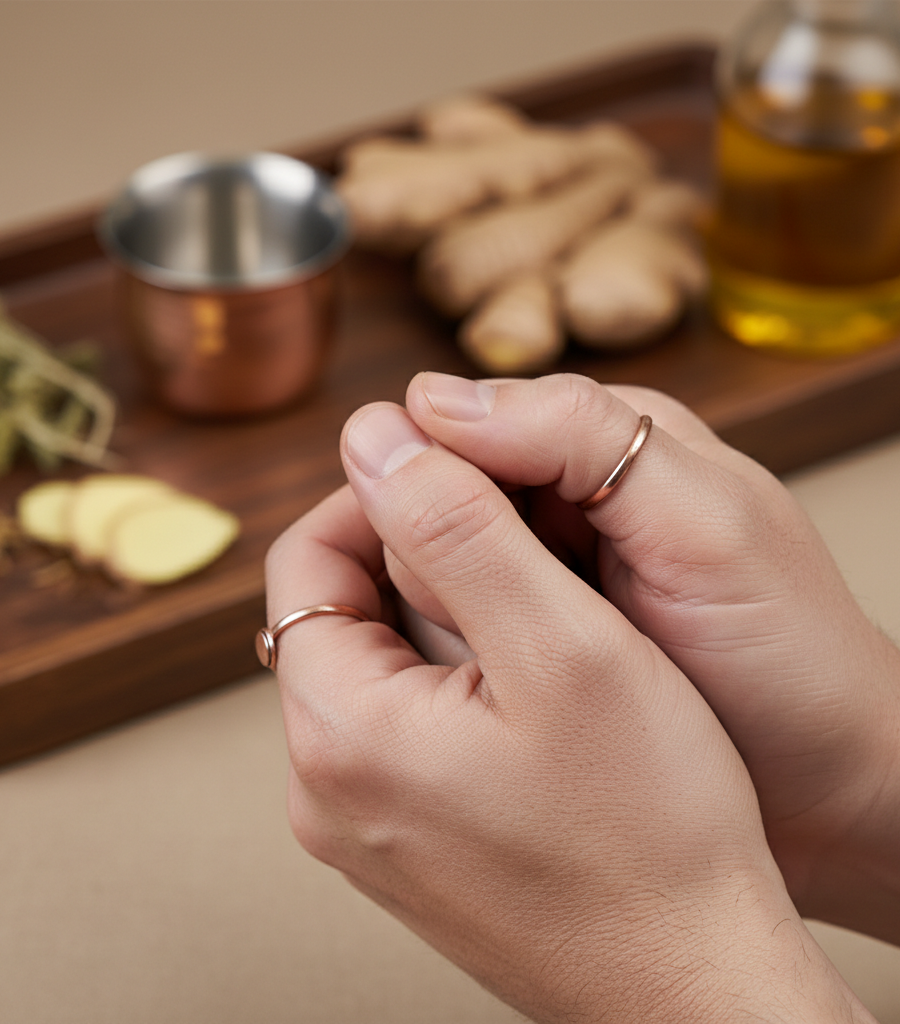
WHAT TO CONSUME MORE OFTEN
WARM, LIGHT MEALS
Focus on thermally processed food. Soups, broths, stews, steamed vegetables, roasted meat or fish, as well as grain porridges are excellent choices. Warm food is generally easier to digest, which is crucial when the body is under stress due to inflammation.
Here are some practical suggestions:
Vegetable soups with carrots, zucchini, pumpkin, potatoes.
Stews with lentils or peas, but in smaller portions if they cause bloating.
Rice porridge or millet porridge, prepared with a little clarified butter (ghee).
Baked fish with fresh or thermally processed vegetables.
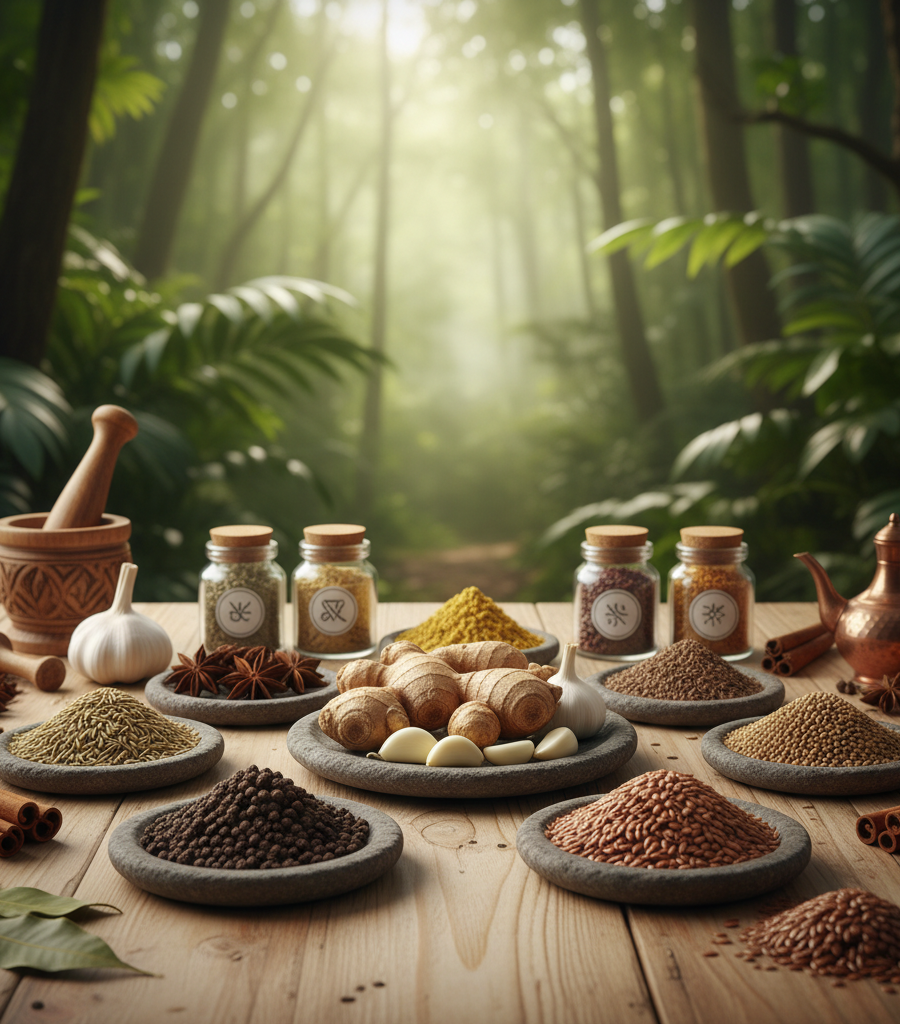
SPICES WITH ANTI-INFLAMMATORY PROPERTIES
Using spices is an easy and accessible way to support your body, and the effect depends on consistency in their application.
Spices often recommended for reducing inflammation:
Ginger
Garlic
Fennel
Black pepper
Cinnamon
Cumin
Coriander
Flaxseed
How you can use them:
Add fresh ginger to soup or prepare ginger tea after a meal.
Use cumin and coriander in stews to improve digestion.
Always add a pinch of black pepper along with turmeric to increase its bioavailability and effectiveness.
FRUITS THAT ARE USUALLY A GOOD CHOICE
Most fruits are well-received by the body. However, some people report that citrus fruits cause them problems. Therefore, always pay attention to your body's reaction.
The most common and safe choices include:
Apples
Watermelon
Grapes
Strawberries and raspberries
Avocado
Bananas
VEGETABLES THAT OFTEN SUIT
Pumpkin, zucchini
Carrots, beets
Broccoli, spinach
Onions
Potatoes
Tip: When you feel more stiffness or have a poor appetite, thermally process the vegetables. Leave fresh salads for periods when your digestion is stable and problem-free.
FATS THAT MAKE SENSE
Clarified butter (ghee), about 1 small teaspoon per day, added to a warm meal.
Olive oil, but in moderate amounts.
The goal is not to consume very fatty food, but to keep the tissues hydrated and maintain a stable energy level.
PROTEINS, GRAINS, AND MINERALS
Grains:
Millet, quinoa, wheat (these are good choices)
Proteins in moderate portions:
Eggs
Chicken meat
Fish, preferably baked or grilled
Key nutrients for healthy bones and joints:
Vitamin D
Vitamin C
Vitamin E
Calcium
These are not "magic" ingredients, but basic support. Their deficiency often worsens weakness and slows down recovery.
SMALL ROUTINES THAT MAKE A DIFFERENCE
Drink 8 to 10 glasses of water a day, at room temperature.
Move regularly – morning or evening walks.
Practice light exercises like cycling or yoga.
Maintain a healthy body weight, without drastic diets.
Use honey as a sweetener, but in moderate amounts.
And yes, to be honest, stress and lack of sleep can cause more damage than one "wrong" dinner. As strange as it sounds, that is the reality.
SIMPLE TURMERIC RECIPE
This mixture is very popular for alleviating stiffness:
1/2 tsp turmeric
A pinch of black pepper
1/2 tsp honey
Usage:
Consume it in the morning and evening, after eating, if it sits well with your stomach.
Note: If you have gastritis or reflux, start with a smaller amount and always take it after a meal.
ALMONDS, ALMOND OIL, AND YOGURT
Soak 8 almonds overnight and eat them in the morning.
Almond oil: 10 to 15 ml in the evening with warm water or milk, if it suits you.
Low-fat yogurt: Occasionally, if it doesn't worsen your symptoms.
What you should avoid:
COLD, DRY, HARD TO DIGEST
Cold water and ice drinks.
Dry food without liquids, like crackers or dry sandwiches.
Frozen and processed food.
Fast food.
Common cause of worsening: A combination of cold and heavy food, plus a sedentary lifestyle. The result is increased stiffness and a feeling of heaviness in the body.
DRINKS AND HABITS THAT OFTEN WORSEN SYMPTOMS
Alcohol
Coffee
Carbonated drinks
Smoking
Yes, smoking. One of the most vicious and consistent enemies of our health.
DAIRY PRODUCTS AND RED MEAT
In some people, these foods can worsen arthritis symptoms.
Dairy products: Avoid them, except for rare low-fat yogurt if you tolerate it well.
Red meat: Especially if consumed frequently and in large portions.

In some people, the following foods may also cause problems:
Tomatoes
Eggplants
Legumes, if they frequently cause bloating.
Acidity:
Citrus fruits, if you notice a negative reaction.
Vinegar.
Exception that is often tolerated:
Up to half a lemon a day in a salad is acceptable for many.
SUGAR AND WHITE FLOUR
White flour and pastries.
White rice.
Sugar, cakes, biscuits.
Packaged and industrially processed food.
This is not moralizing, but simple mathematics of the inflammatory process in the body.
TOPICAL APPLICATION FOR RELIEF
CASTOR OIL WITH TURMERIC
How to prepare:
Mix castor oil with a little turmeric.
Heat the mixture until it becomes lukewarm, never hot.
Apply it to the painful area and gently massage for 3 to 5 minutes.
Cover the area with a clean cloth.
Place a warm water bottle over the cloth and let it act for about 10 minutes.
Finally, wash the skin with lukewarm water.
When is it most commonly applied?
This procedure is most effective in the evening, especially when the joint is stiff and you feel fatigue.
Small home recipes:
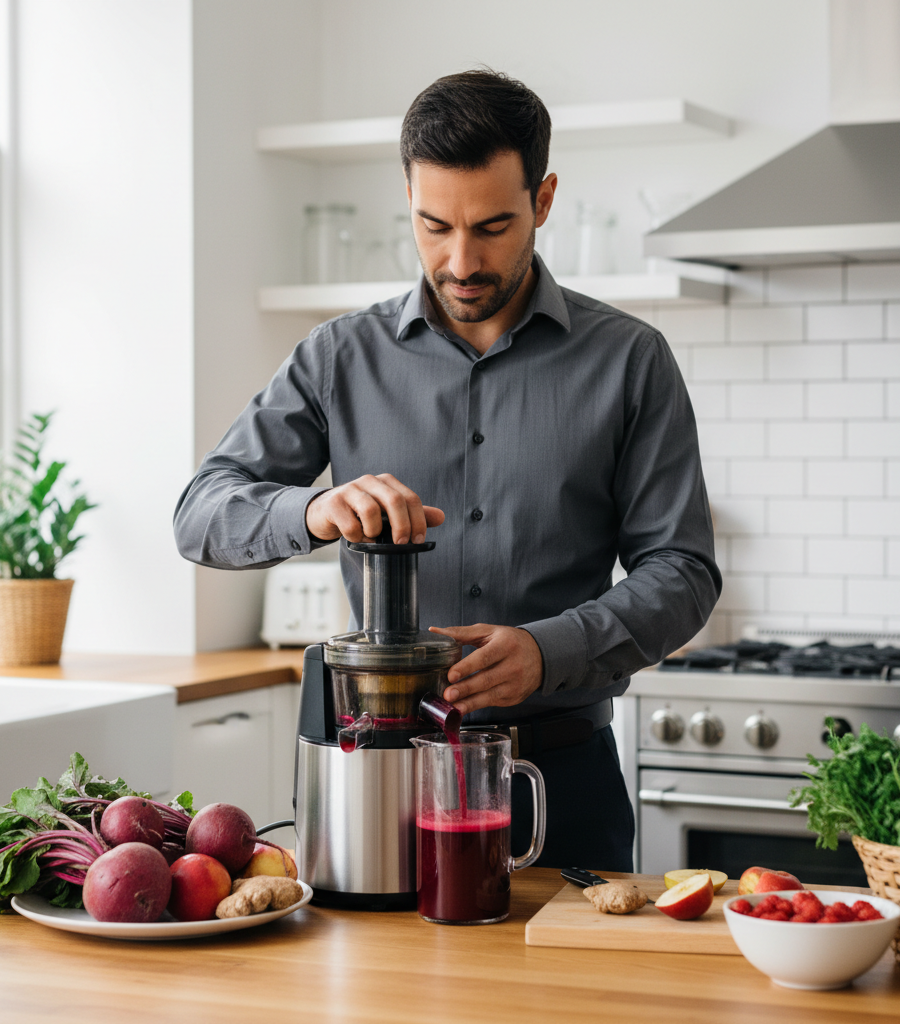
Fresh juices: A green juice, prepared from green vegetables and mixed with equal parts carrot, celery, and beet juice, is excellent for arthritis. The alkaline effect of fresh juice helps in diluting the accumulated fluid in the joints and other tissues. A cup of fresh pineapple juice is also important because of the enzyme bromelain, which is known for its properties in reducing swelling and inflammation in osteoarthritis and rheumatoid arthritis.
Sesame seeds: One teaspoon of black sesame seeds soaked in 50 ml of water and left overnight can be very useful. The next morning, drink the water along with the seeds.
Alfalfa: Alfalfa tea, especially that prepared from its seeds, has been proven as an effective means for treating arthritis. Add one teaspoon of alfalfa to one cup of water. Drink three to four cups of this tea daily for a period of at least two weeks.
Dill: Leave one glass of water with one small teaspoon of dill overnight. In the morning, drink the liquid on an empty stomach.
NATURAL SUPPORT: AYURVEDIC SUPPLEMENTS
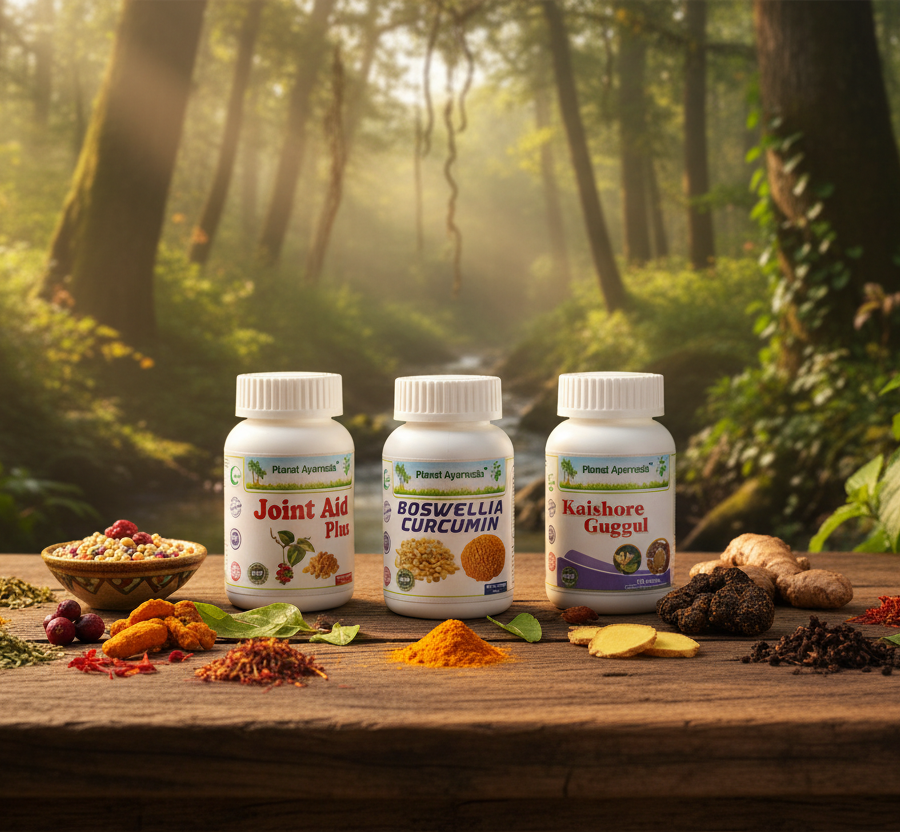
Arthritis is not felt only in the joints. It is felt with every standing up, in every step, and with every change in weather. Therefore, in addition to a proper arthritis diet, many seek additional natural support. Ayurvedic supplements are often used to reduce inflammation, ease stiffness, and improve mobility. Below, I will give you short and practical recommendations from the product range, with clear benefits and tips on when they help the most:
Boswellia Curcumin. This supplement helps in reducing inflammation, pain, and morning stiffness.
Joint Aid Plus. Focuses on lubrication and support of joint mobility, especially useful for chronic stiffness.
Kaishore Guggul. Supports the metabolism of inflammatory processes and reduces sensitivity in the joints, often applied in long-term arthritis conditions.
FREQUENTLY ASKED QUESTIONS

Should I completely eliminate dairy products?
It is not always necessary. If you notice that dairy products worsen your symptoms, then reduce them. If not, you can occasionally allow yourself small portions of lighter forms, such as low-fat yogurt.
Is cold water a problem?
In many people, cold water increases stiffness. Try drinking water at room temperature for two weeks and see if you feel a difference.
How quickly is the effect of dietary changes seen?
Most often, the first changes noticed are an improvement in morning stiffness and an increase in energy. For more serious and long-term changes, a routine applied for weeks is needed.
References
Arthritis Foundation. The Ultimate Arthritis Diet. Arthritis Foundation
Arthritis Foundation. Living with arthritis, healthy eating. nhs.uk
Arthritis UK. Eating well with arthritis. Arthritis UK
Arthritis UK. Diet and arthritis information booklet, PDF. Arthritis UK
British Dietetic Association. Osteoarthritis and diet. bda.uk.com
British Dietetic Association. Osteoarthritis and diet, PDF, section on avoiding foods. bda.uk.com
Arthritis Foundation. How Nightshades Affect Arthritis. Arthritis Foundation
Arthritis Foundation. 10 Arthritis Food Myths. Arthritis Foundation
Arthritis Canada. Food and inflammation if you have arthritis. Arthritis Society Canada
British Nutrition Foundation. Arthritis and Nutrition, section on milk and dairy products. British Nutrition Foundation
CDC. About Physical Activity and Arthritis. CDC
NIAMS. Osteoarthritis, diagnosis, treatment, and steps to take. NIAMS
WHO. Osteoarthritis, fact sheet. World Health Organization
Mayo Clinic. Rheumatoid arthritis, is exercise important. Mayo Clinic
Bartels EM, et al. Efficacy and safety of ginger in osteoarthritis patients, meta-analysis, PubMed. PubMed
NCCIH, NIH. Ginger, usefulness and safety. NCCIH
Moosavian SP, et al. Garlic supplementation in rheumatoid arthritis, randomized double-blind placebo-controlled trial, PubMed. PubMed
Moosavian SP, et al. Garlic supplementation, systematic review for RA, PubMed. PubMed
Letarouilly JG, et al. Efficacy of spice supplementation in rheumatoid arthritis, includes curcuma, garlic, ginger, PubMed. PubMed
Brien S, et al. Bromelain as a treatment for osteoarthritis, review, PubMed. PubMed
Kumar V, et al. Bromelain mechanisms and anti-inflammatory effects, PubMed. PubMed
Medhi B, et al. Comparative clinical trial of castor oil and diclofenac in knee osteoarthritis, PubMed. PubMed
NIH Office of Dietary Supplements. Vitamin and Mineral Supplement Fact Sheets, list (vitamins D, C, E and calcium). Office of Dietary Supplements
NIH Office of Dietary Supplements. Vitamin D initiative, links to fact sheets. Office of Dietary Supplements
Available in the US
Products in this area of wellness
Traditionally used in the areas this article covers. They are not treatments for any condition, and nothing here is a recommendation for you specifically.
Disclosure: some links below are affiliate links. If you buy through them, AyurvedaGrid may earn a commission at no extra cost to you, and those products are listed first. Which products are relevant at all comes from the topic of the article — nothing here is a recommendation for you specifically.
- Curcuwin Bioperine Oil Capsules(opens in a new tab)affiliateSri Sri Tattva USA· Capsule
Supports joint comfort and mobility — high absorption curcumin for joint comfort
- Turmeric Plus (Curcumin + Black Pepper) - Pain & Immunity Support(opens in a new tab)affiliateSri Sri Tattva USA· Tablet
Supports joint comfort and mobility — joint comfort
- Boswellia(opens in a new tab)Himalaya Wellness USA
Supports joint comfort and mobility — joint comfort
These statements have not been evaluated by the Food and Drug Administration. These products are not intended to diagnose, treat, cure or prevent any disease. Speak to your own healthcare provider before starting a supplement, particularly if you are pregnant, nursing, or taking medication.
Continue reading
 Ayurvedic Basics & Doshas
What is Ayurveda: A Complete Guide for Beginners and Healthy Living
Discover the power of Ayurveda: A comprehensive guide to the 5,000-year-old "Science of Life." Learn how to identify your unique doshas (Vata, Pitta, and Kapha), how to kindle your digestive fire (Agni), and how to integrate ancient rituals and powerful herbs into a modern lifestyle for perfect balance and longevity.
 Ayurveda
Turmeric as a Remedy: Benefits, Uses, and Best Recipes
This blog post serves as a comprehensive guide to the power of the "golden spice" – turmeric. The text explains in detail the anti-inflammatory and antioxidant properties of curcumin, its application for chronic pain, digestive issues, and boosting immunity. In addition to scientific facts, the post offers practical recipes for "golden milk" and tea, as well as recommendations for high-quality supplements for maximum results.
 Ayurveda
Natural home remedies everyone should know: Your kitchen as a pharmacy
Discover 19 simple and powerful home remedies from your kitchen that help with coughing, digestive issues, headaches, and boosting immunity. Learn how the ancient Ayurvedic wisdom can help you improve your health in a natural way.
Your Ayurvedic overview
Curious about your own constitution?
Take the free guided assessment and receive your personal Ayurvedic overview — about ten minutes, private to your account.
Start Your Journey