
Celiac Disease and Gluten Intolerance: Symptoms, Diagnosis, and Diet
Medically reviewed by Dr Girish Shirke, M.D. (Ayurved)September 5, 2026
Do you often feel bloated, tired, or have stomach pains after eating bread or pasta? These unpleasant symptoms might be the first sign of celiac disease or gluten intolerance. Although these two conditions are often confused, it is important to understand that they affect our body differently, even though both are triggered by gluten.
In this comprehensive guide, we will dive deep into the differences between autoimmune celiac disease and gluten sensitivity. We will discuss how to recognize the symptoms, how to reach an accurate diagnosis, and what the most effective path toward healing the digestive system is, primarily through a gluten-free diet and certain natural supplements.

What exactly is celiac disease? (An autoimmune disorder)
Celiac disease is a serious, chronic autoimmune disease. This means that the immune system mistakenly attacks its own tissue (specifically, the small intestine) whenever you ingest gluten. And gluten, as we know, is a protein naturally found in wheat, barley, and rye.
How does celiac disease harm the small intestine?
Our healthy small intestine is lined with tiny, finger-like projections called villi. Their task is crucial: they are responsible for absorbing all the nutrients from the food we eat. However, in people with celiac disease, the consumption of gluten causes severe inflammation, leading to a condition called villous atrophy – literally, the flattening of these vital villi.
When the villi are damaged, the consequences are serious:
The body cannot effectively absorb essential nutrients like iron, calcium, and various vitamins.
This leads to long-term health deficits that affect overall health.
Even the smallest trace of gluten – think of a breadcrumb – can trigger an immune attack, prolonging the damage.
Non-Celiac Gluten Sensitivity (NCGS): What do we need to know?

In addition to celiac disease, many people struggle with non-celiac gluten sensitivity (NCGS), which we often simply call gluten intolerance.
Here is the main difference: In gluten intolerance, there is actually no permanent autoimmune damage to the intestinal lining, as there is in celiac disease. However, the symptoms can be equally unpleasant and significantly impair the quality of life. Since there is no specific "gluten intolerance test," the diagnosis is often made through an elimination approach – by excluding and then reintroducing gluten into the diet.
Key symptoms to watch out
Symptoms of celiac disease and gluten sensitivity can vary from purely digestive issues to broader systemic problems affecting the entire body. It is very important to recognize them.
1. Digestive problems (especially common in children with celiac disease)
Chronic diarrhea or, conversely, constipation.
Pronounced gas and extreme bloating that causes discomfort.
Abdominal pain and cramping.
Stool with an unusually foul odor, often due to poor fat absorption.
2. Non-digestive (systemic) symptoms
Some of these symptoms may be harder to link to diet, but they are still very important:
Anemia and fatigue: Iron deficiency is often one of the first signs for which medical help should be sought.
“Brain fog”: Difficulty concentrating, forgetfulness, and a feeling of general cloudiness in the head.
Joint pain: Chronic inflammation caused by a reaction to gluten can manifest as joint pain.
Dermatitis herpetiformis: This is a specific, intense skin rash that is strongly associated with celiac disease and is very itchy.
❗ Remember: If celiac disease is left untreated, it can lead to serious complications such as osteoporosis, infertility, and even an increased risk of neurological diseases. Therefore, early diagnosis and proper nutrition are crucial.
How are these conditions diagnosed?

The diagnosis process is different for both conditions, and in my opinion, it is important to be patient and thorough.
Celiac disease test (blood analysis): Specific antibodies are checked (most commonly tTG-IgA). Very important note: You must not stop eating gluten before being tested, as this can lead to false-negative results, which may delay the correct diagnosis!
Biopsy: This is the gold standard for confirming celiac disease. A small sample of tissue is taken from the small intestine to determine if there is damage to the villi.
Elimination diet: I consider this the best and most practical method for diagnosing gluten intolerance. Gluten is completely excluded from the diet for 4-6 weeks, and then slowly and controlledly reintroduced to monitor how the body reacts.
Treatment and Gluten-Free Diet (Diet for Celiac Disease)
If you are diagnosed with celiac disease, the only "cure" is a strict, lifelong gluten-free diet. There are no compromises here.
Foods that do not contain gluten (Your safe zone):
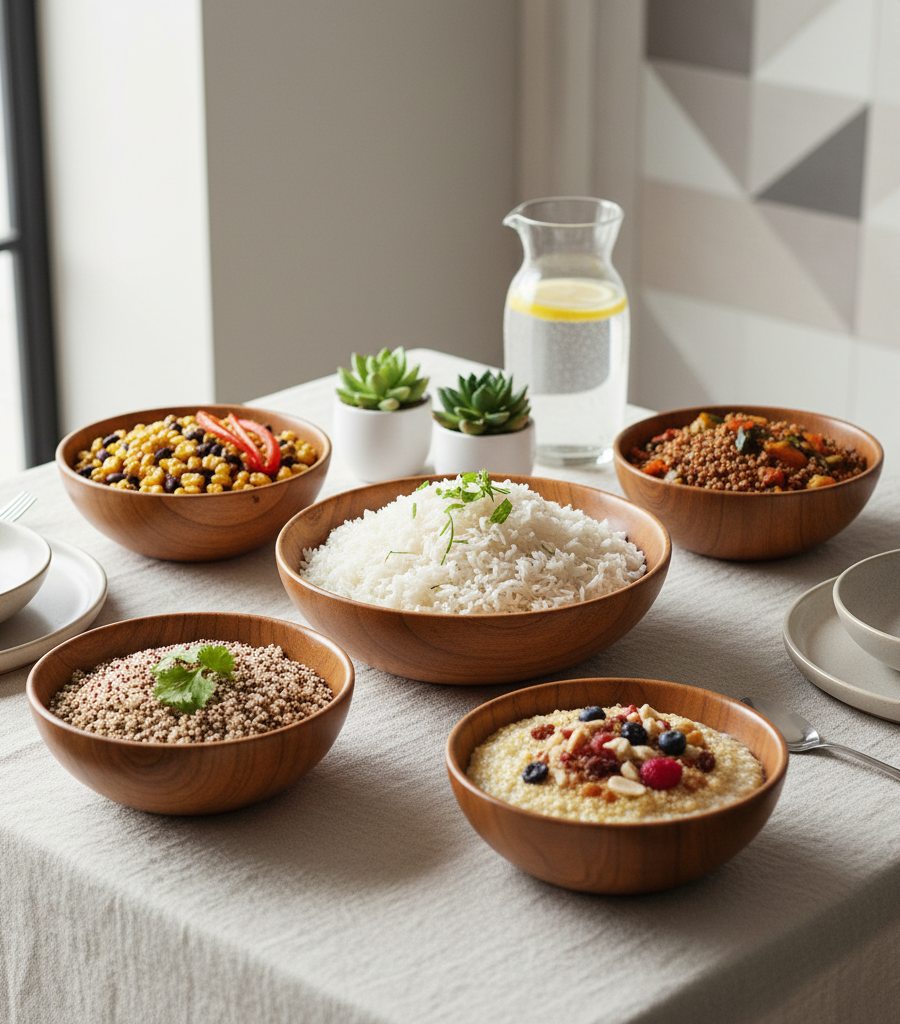
Natural foods: Fruits, vegetables, fresh meat, fish, and eggs – all of these are naturally safe and should be the foundation of your diet.
Gluten-free grains: Fortunately, many alternatives exist: rice, corn, buckwheat, quinoa, millet, and amaranth are excellent options.
Healthy fats: Olive oil, nuts, and seeds are also safe and nutritious.
Foods that must be avoided at all costs:
Wheat (all its varieties), barley, rye, and all products containing them.
Bakery products, pasta, and beer – unfortunately, these are the most common sources of gluten.
Hidden gluten: Be extremely careful with ready-made sauces (soy sauce!), processed meats, and instant soups. Gluten can often hide in the most unexpected places as a thickener or filler.
Ayurvedic Approach and Natural Support
Ayurveda treats celiac disease as a disorder of our "digestive fire" (Agni) and an accumulation of toxins (Ama). The goal of the Ayurvedic approach is to calm the inflammation and help the intestinal lining regenerate.
For more effective recovery, from my experience, a combination of some natural supplements is recommended, which can be of great help:

Digestion Support: This supplement helps regulate digestion and supports the natural process of detoxification.
Curcumin (Turmeric): Known as a powerful natural anti-inflammatory, turmeric can significantly help in calming inflamed intestines.
Aler G: Can be useful for reducing excessive immune reactions and general sensitivity of the organism.
Kumari Saar (Aloe Vera): Known for its soothing properties, aloe vera can help cool and regenerate the damaged intestinal lining.
A small tip: I believe natural supplements are excellent support for a gluten-free diet, as they help the body absorb nutrients much faster, which may be lacking due to the damaged intestine.
Frequently Asked Questions (FAQ)
Here are some questions I often receive regarding celiac disease and gluten intolerance:
1. Is celiac disease the same as a wheat allergy? Absolutely not. A wheat allergy is an immediate reaction of the immune system, while celiac disease is an autoimmune disease that causes long-term damage to the intestines. This is a key difference.
2. Can celiac disease appear later in life? Yes, unfortunately. The disease can be triggered at any age, often as a result of physical or emotional stress, surgery, or pregnancy, in individuals who have a genetic predisposition for it.
3. What is "cross-contamination"? This is a very important concept for anyone on a gluten-free diet. Cross-contamination occurs when gluten-free food comes into contact with gluten. A simple example is using the same toaster for regular and gluten-free bread. For people with celiac disease, this can be very dangerous, as even minimal amounts of gluten can trigger a reaction.
Do you want to improve your digestive health naturally?
Don't wait; take the first step toward a life without pain and fatigue. Order your digestive support package today!
Click here to view our natural solutions for celiac disease
References and Scientific Sources
Relevant medical data and studies in the field of gastroenterology and autoimmune disorders were consulted for the preparation of this text:
Celiac Disease Foundation (CDF) – A leading global organization for education and research on celiac disease.
Mayo Clinic – Specifications on symptoms, causes, and diagnostic methods for celiac disease and non-celiac gluten sensitivity.
World Gastroenterology Organisation (WGO) – Global guidelines for the diagnosis and management of celiac disease.
National Institute of Diabetes and Digestive and Kidney Diseases (NIDDK) – Official medical information on the impact of gluten on the digestive system.
PubMed / National Library of Medicine (NCBI) – Study on "Non-celiac gluten sensitivity: state of the art."
Beyond Celiac – Research on the long-term consequences of untreated celiac disease and new scientific advancements in treatment.
Available in the US
Products in this area of wellness
Traditionally used in the areas this article covers. They are not treatments for any condition, and nothing here is a recommendation for you specifically.
Disclosure: some links below are affiliate links. If you buy through them, AyurvedaGrid may earn a commission at no extra cost to you, and those products are listed first. Which products are relevant at all comes from the topic of the article — nothing here is a recommendation for you specifically.
- Daily Cleanse Kit #1(opens in a new tab)affiliateSri Sri Tattva USA· Kit
Supports the body's natural cleansing — daily cleanse routine
- Daily Cleanse Kit #2(opens in a new tab)affiliateSri Sri Tattva USA· Kit
Supports the body's natural cleansing — daily cleanse routine
- Digestion Kit(opens in a new tab)affiliateSri Sri Tattva USA· Kit
Supports healthy digestion and agni — everyday digestive comfort
These statements have not been evaluated by the Food and Drug Administration. These products are not intended to diagnose, treat, cure or prevent any disease. Speak to your own healthcare provider before starting a supplement, particularly if you are pregnant, nursing, or taking medication.
Continue reading
 Ayurvedic Basics & Doshas
What is Ayurveda: A Complete Guide for Beginners and Healthy Living
Discover the power of Ayurveda: A comprehensive guide to the 5,000-year-old "Science of Life." Learn how to identify your unique doshas (Vata, Pitta, and Kapha), how to kindle your digestive fire (Agni), and how to integrate ancient rituals and powerful herbs into a modern lifestyle for perfect balance and longevity.
 Ayurveda
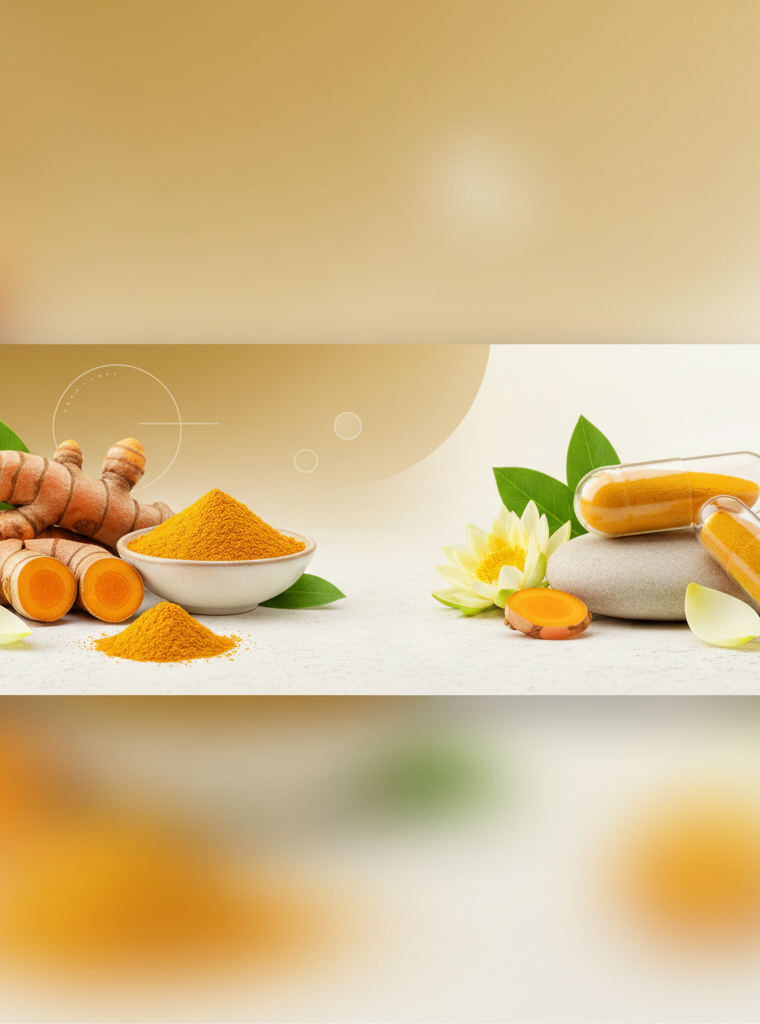
Turmeric as a Remedy: Benefits, Uses, and Best Recipes
This blog post serves as a comprehensive guide to the power of the "golden spice" – turmeric. The text explains in detail the anti-inflammatory and antioxidant properties of curcumin, its application for chronic pain, digestive issues, and boosting immunity. In addition to scientific facts, the post offers practical recipes for "golden milk" and tea, as well as recommendations for high-quality supplements for maximum results.
 Ayurveda
Natural home remedies everyone should know: Your kitchen as a pharmacy
Discover 19 simple and powerful home remedies from your kitchen that help with coughing, digestive issues, headaches, and boosting immunity. Learn how the ancient Ayurvedic wisdom can help you improve your health in a natural way.
Your Ayurvedic overview
Curious about your own constitution?
Take the free guided assessment and receive your personal Ayurvedic overview — about ten minutes, private to your account.
Start Your Journey