
Ayurvedic Refreshing Drinks: A Natural Path to Hydration and Balance
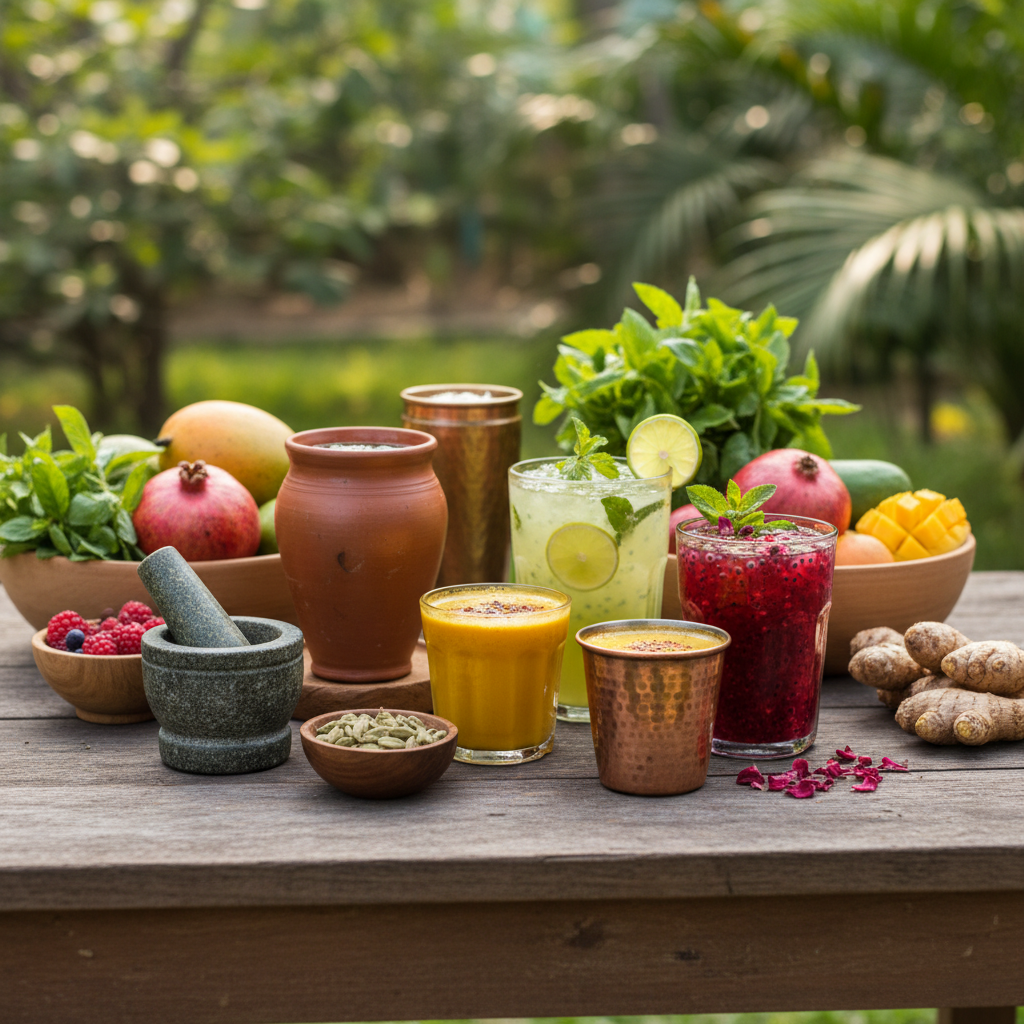
In today's fast-paced world, we often forget that true refreshment comes from within. Ayurveda, the ancient Indian system of medicine practiced for more than 5,000 years, is not just medicine – it is the "science of life." It offers us deep knowledge on how to maintain health through natural means, and one of the most effective ways, especially during the summer, is through Ayurvedic refreshing drinks.
These beverages are not just a way to quench thirst; they are carefully created formulas that help establish harmony between mind, body, and spirit.
Understanding Ayurvedic Principles: Why Do We Need Balance?

According to Ayurveda, each of us is a unique combination of three basic energies or doshas: Vata, Pitta, and Kapha.
Vata (air and ether): Governs movement.
Pitta (fire and water): Governs metabolism and digestion.
Kapha (earth and water): Governs structure and stability.
When temperatures rise, the Pitta dosha (internal fire) increases in most people. This can lead to irritability, inflammation, and digestive problems. This is where Ayurvedic drinks come into play, aiming to cool the body without extinguishing the digestive fire (Agni).
Tip: For additional support in balancing the Pitta dosha, check out the product Amalaki Rasayan, known as one of the most powerful natural sources of vitamin C and a top body coolant.
The Role of Ayurvedic Nutrition and Seasonal Eating
Ayurvedic nutrition is not universal; it is personalized. During hot weather, Ayurveda strongly recommends seasonal eating – consuming foods and drinks that have natural cooling properties.
Benefits of Ayurvedic Drinks:
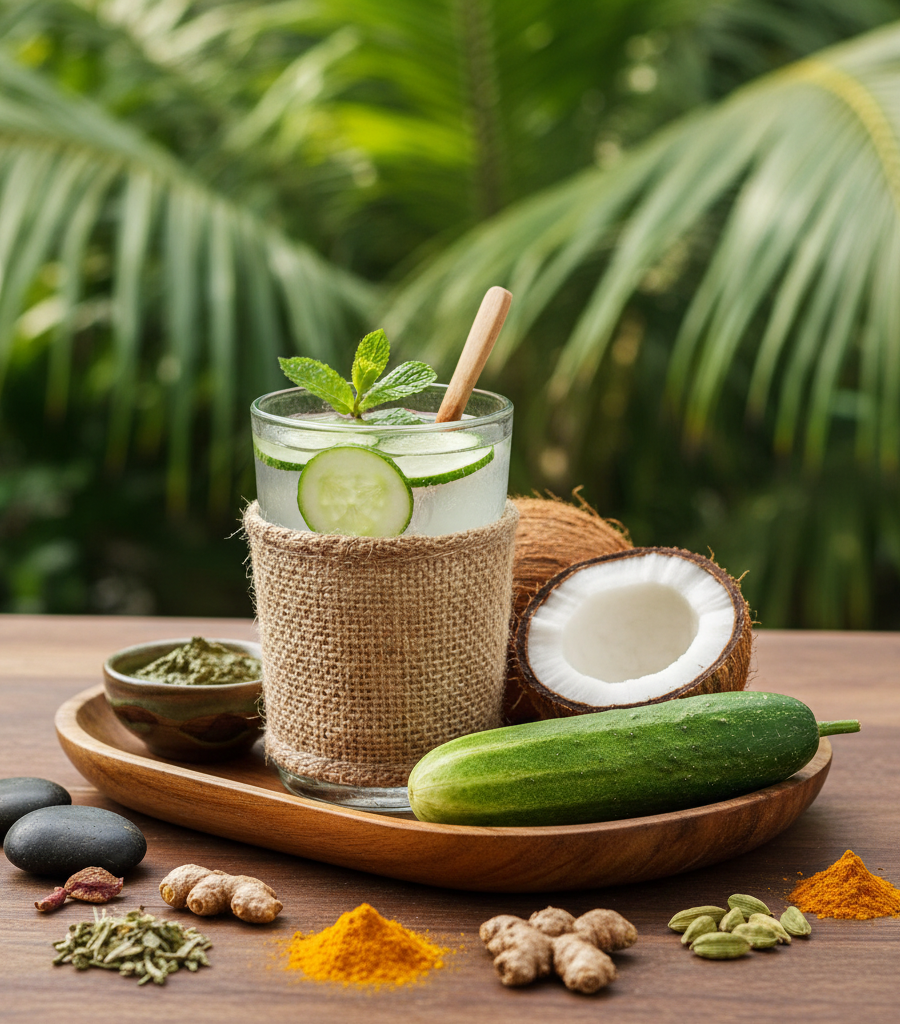
Deep Hydration: Ingredients like coconut water and cucumber replenish electrolytes.
Improved Digestion: Spices like cumin and ginger prevent post-meal bloating.
Detoxification: They help eliminate accumulated toxins (Ama).
Boosted Immunity: They are rich in antioxidants that protect the body.
Key Ingredients and Their Power
Every ingredient in an Ayurvedic recipe has its own therapeutic function:
Yogurt (homemade): A probiotic that nourishes the microbiome.
Mint: A natural coolant that soothes the muscles of the digestive tract.
Ginger: Although warming, in small amounts it is key to stimulating metabolism.
Cumin: Excellent against gas and heaviness in the stomach.
For those with more pronounced digestive issues, combining these drinks with Digestion Support from can make a huge difference in nutrient absorption.
Recipe: Ayurvedic Buttermilk (Chaas) – The Queen of Summer Drinks
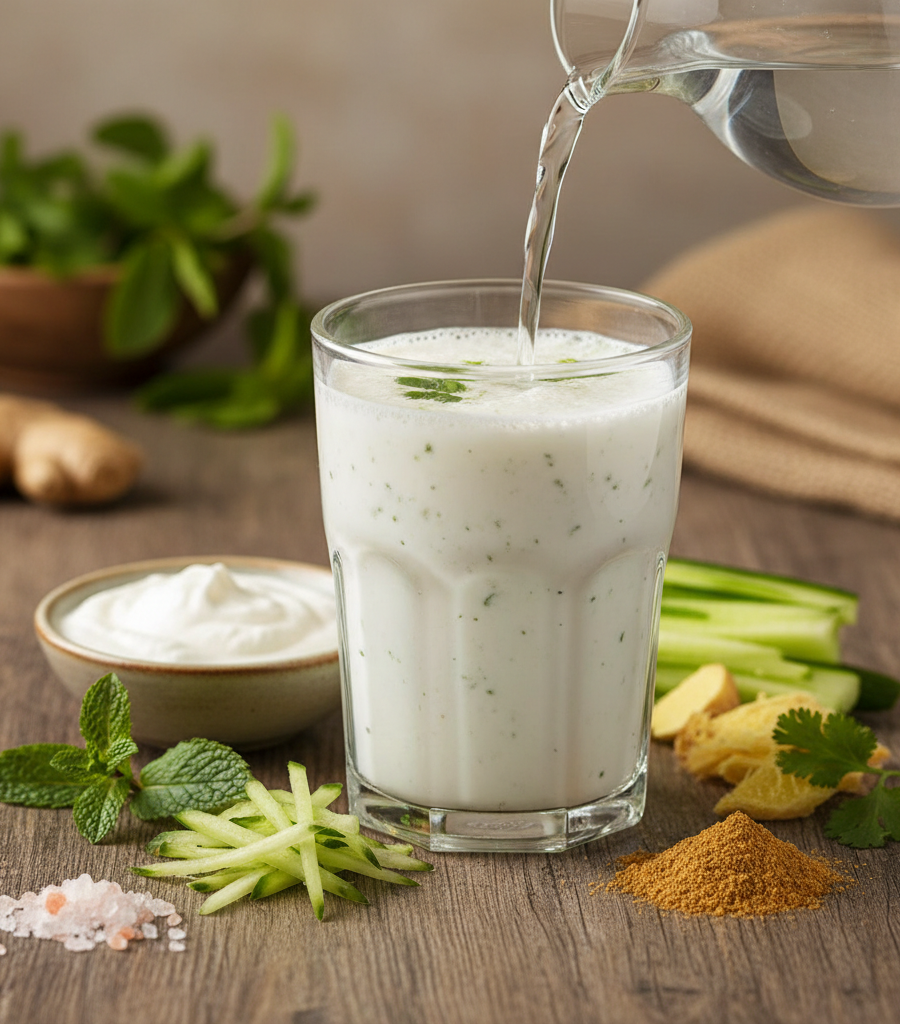
This drink is a traditional remedy for improving digestion and providing instant cooling.
Ingredients:
1 cup fresh organic yogurt
1 cup cold spring water
1/4 cup grated cucumber (for extra cooling)
1/2 teaspoon roasted and ground cumin
1/2 teaspoon grated fresh ginger
A pinch of Himalayan salt
Fresh mint and coriander leaves
Preparation:
Blending: Place the yogurt and water in a blender and mix until a light foam appears on top.
Adding Spices: Add the ginger, cumin, and cucumber. Blend briefly to combine the flavors.
Finalizing: Pour into a glass, add salt, and garnish with fresh coriander and mint.
Serving: Leave in the refrigerator for 20-30 minutes. Drink slowly while sitting down.
: Your Support for Holistic Health
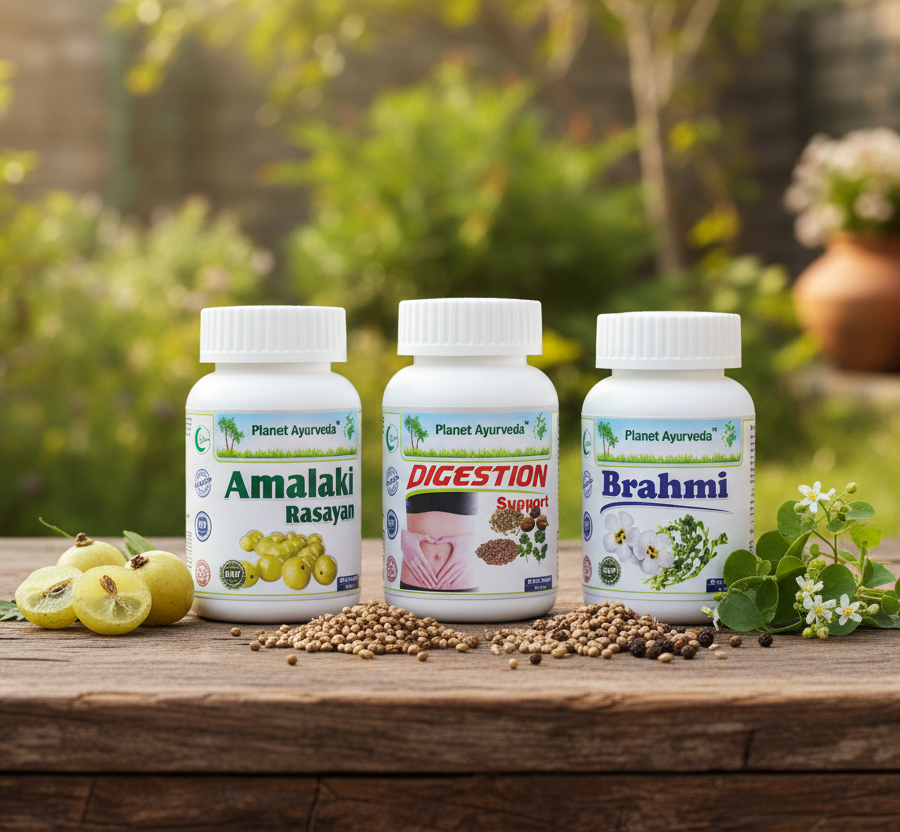
To maximize the effects of your Ayurvedic routine, we recommend incorporating pure, herbal extracts. products are 100% natural, free of chemicals and additives.
Product | Purpose | Connection to Drinks |
Amalaki Rasayan | Cooling and Immunity | Ideal for Pitta season and regeneration. |
Digestion Support | Digestive Balance | Enhances the effect of drinks like Chaas. |
Brahmi | Calming the Mind | Combines excellently with herbal infusions for relaxation. |
Frequently Asked Questions (FAQ)
1. Can Ayurvedic drinks replace a meal?
No, they are designed to be a supplement that aids digestion and hydration. It is best to consume them between meals or 30 minutes after eating.
2. Are they safe for children?
Yes, most are very beneficial, especially Chaas and fresh fruit juices. However, always consult a professional regarding the dosage of herbs for the youngest ones.
3. What is the best time to drink them?
It is best to drink them during the day (from 10:00 AM to 3:00 PM) when the digestive fire is strongest and when outdoor temperatures are highest.
Conclusion
Integrating Ayurvedic refreshing drinks into your daily life is not just a matter of taste, but a pure act of self-care. By using fresh ingredients and support from the premium natural products of, you give your body the tools it needs to stay vital, hydrated, and in perfect balance.
Are you ready to feel the power of nature? Visit the website and discover the ideal supplement for your dosha!
Literature and Scientific Sources Used
1. Scientific Studies on Ingredients (PubMed & Google Scholar)
On the benefits of Cumin for the digestive system:
Agah, S., et al. (2013). "Cuminum cyminum L. on Manifestations of Irritable Bowel Syndrome."
On the antioxidant and cooling properties of Amalaki (Amla):
Variya, B. C., et al. (2016). "Emblica officinalis (Amla): A review for its phytochemistry, ethnomedicinal uses and medicinal potentials."
On the digestive properties of ginger:
Bode, A. M., & Dong, Z. (2011). "The Amazing and Mighty Ginger." (Herbal Medicine: Biomolecular and Clinical Aspects).
2. Official Ayurvedic Resources and Institutes
Ministry of AYUSH (India): Official recommendations for seasonal nutrition and diet (Ritucharya).
National Center for Complementary and Integrative Health (NCCIH): Information on Ayurveda as a complementary approach to health.
3. Expert Ayurvedic Platforms and Authors
(Dr. Vikram Chauhan): Detailed explanations of herbs and their use in modern medicine.
India - Herbal Encyclopedia
The Chopra Center: Principles of Ayurvedic nutrition and balancing the Pitta dosha.
4. Health and Nutrition Databases
Healthline: Scientifically confirmed benefits of ingredients such as yogurt, mint, and coconut water.
Available in the US
Products in this area of wellness
Traditionally used in the areas this article covers. They are not treatments for any condition, and nothing here is a recommendation for you specifically.
Disclosure: some links below are affiliate links. If you buy through them, AyurvedaGrid may earn a commission at no extra cost to you, and those products are listed first. Which products are relevant at all comes from the topic of the article — nothing here is a recommendation for you specifically.
- Golden Monkey Ghee (Clarified Butter)(opens in a new tab)affiliateSri Sri Tattva USA· Ghee
Food and drink for everyday nourishment — everyday cooking fat
- Ojasvita Herbal Health Drink - Chocolate(opens in a new tab)affiliateSri Sri Tattva USA· Drink Mix
Food and drink for everyday nourishment — daily nourishing drink
- Ojasvita Herbal Health Drink - Golden Spiced Latte(opens in a new tab)affiliateSri Sri Tattva USA· Drink Mix
Food and drink for everyday nourishment — warming spiced drink
These statements have not been evaluated by the Food and Drug Administration. These products are not intended to diagnose, treat, cure or prevent any disease. Speak to your own healthcare provider before starting a supplement, particularly if you are pregnant, nursing, or taking medication.
Continue reading
 Ayurvedic Basics & Doshas
What is Ayurveda: A Complete Guide for Beginners and Healthy Living
Discover the power of Ayurveda: A comprehensive guide to the 5,000-year-old "Science of Life." Learn how to identify your unique doshas (Vata, Pitta, and Kapha), how to kindle your digestive fire (Agni), and how to integrate ancient rituals and powerful herbs into a modern lifestyle for perfect balance and longevity.
 Ayurveda
Turmeric as a Remedy: Benefits, Uses, and Best Recipes
This blog post serves as a comprehensive guide to the power of the "golden spice" – turmeric. The text explains in detail the anti-inflammatory and antioxidant properties of curcumin, its application for chronic pain, digestive issues, and boosting immunity. In addition to scientific facts, the post offers practical recipes for "golden milk" and tea, as well as recommendations for high-quality supplements for maximum results.
 Ayurveda
Natural home remedies everyone should know: Your kitchen as a pharmacy
Discover 19 simple and powerful home remedies from your kitchen that help with coughing, digestive issues, headaches, and boosting immunity. Learn how the ancient Ayurvedic wisdom can help you improve your health in a natural way.
Your Ayurvedic overview
Curious about your own constitution?
Take the free guided assessment and receive your personal Ayurvedic overview — about ten minutes, private to your account.
Start Your Journey