
Ayurvedic Diet for Vata Dosha: A Complete Guide to Balance

At the heart of Ayurveda, this ancient Indian system of natural healing, lies the belief that the key prerequisite for good health is balance. Each of us is a unique symphony of three doshas, or energies: Vata, Pitta, and Kapha. Today, let’s dedicate our attention to Vata dosha – the energy that moves the world. When in harmony, it brings us creativity and enthusiasm, but if disrupted, it can cause a whole range of health problems that sap our vitality.
What should we know about Vata Dosha?

Vata is actually a combination of the elements air and ether (space). Throughout nature, we easily recognize its qualities: dryness, lightness, coldness, roughness, and variability. People with a dominant Vata often have a slender constitution, are quick in their movements, and have new ideas constantly flowing through their minds. However, precisely because of their "airy" nature, they are more susceptible to changes coming from stress, cold weather, or improper diet:
Digestive problems, such as bloating and constipation, which can be truly uncomfortable.
Dry skin and brittle nails – frequent occurrences that remind us of the need for better hydration.
Anxiety, insomnia, and general restlessness. This, in my opinion, is one of the greatest challenges.
Chronic fatigue and a constant feeling of coldness, even when it is warm outside.
Golden Dietary Rules for Balancing Vata
To calm that "airy" nature of Vata, we must counter it with qualities that are its opposite: warmth, moisture, weight, and stability. It is like giving the restless wind a warm hug.
1. Prioritize warm, cooked, and nourishing food
For people with dominant Vata, raw food, such as cold salads, can be difficult to digest and may even further "cool down" the digestive system, which is the last thing we want.
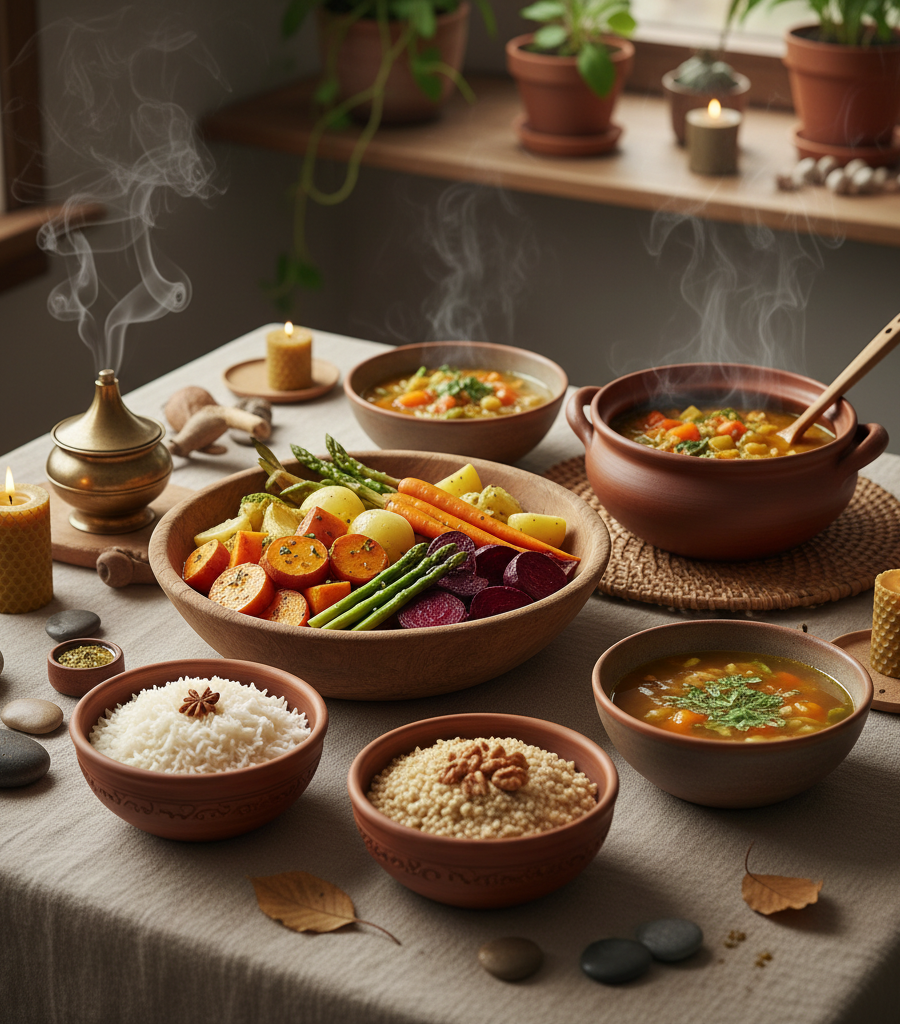
Cooked vegetables: Focus on sweet potatoes, carrots, beets, and asparagus. Always steam them or roast them with a little fat. Trust me, you will feel the difference.
Warm grains: Rice (especially basmati), quinoa, and oats are ideal because they bring a sense of grounding and satiety.
Soups and stews: Liquid food is key for hydrating the dry Vata nature. Imagine it as a warm bath for your internal organs.
2. Healthy fats and oils are your secret weapon
Fats are a kind of "remedy" for Vata's dryness. They lubricate the digestive tract and protect the nerves, which is especially important when Vata is restless.
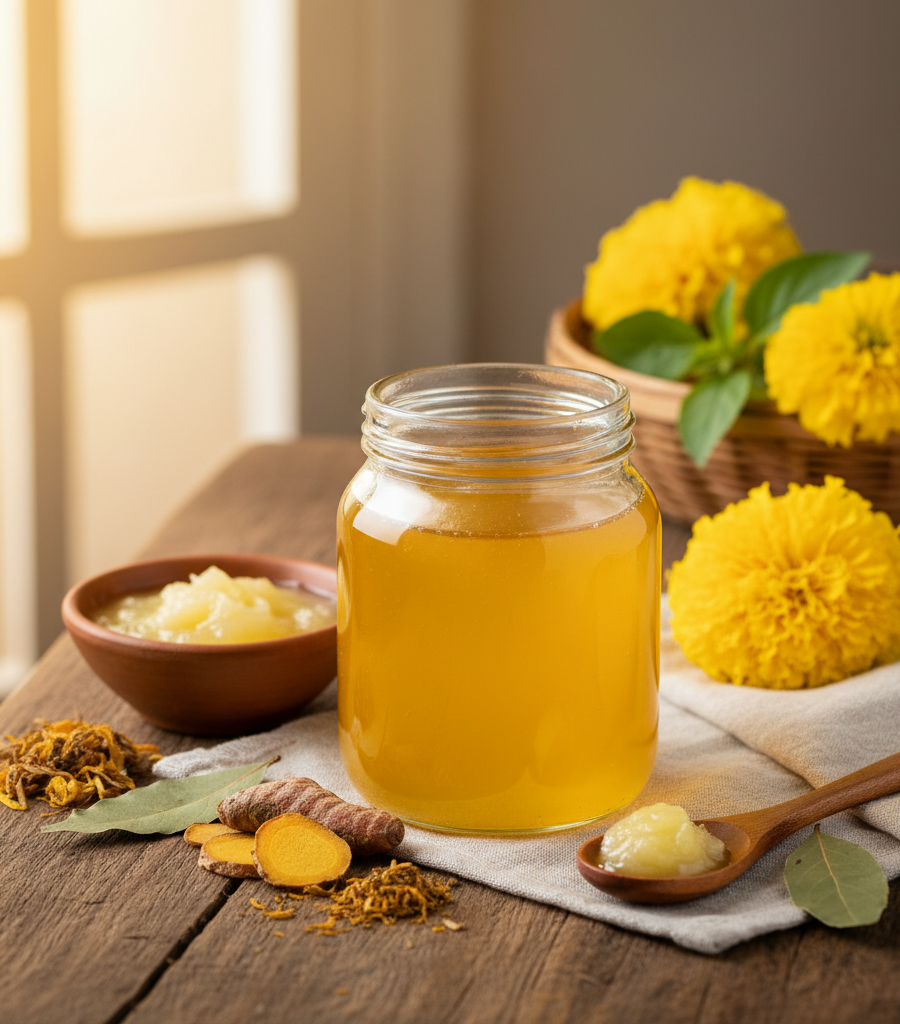
Ghee (clarified butter): In Ayurveda, this is the most valued agent for improving the digestive fire, known as Agni. Its taste is also irreplaceable.
Sesame and avocado oil: These are excellent for cooking and as an addition to meals, giving them a rich flavor and nutritional value.
Nuts: Almonds and walnuts (soaked in water the night before) are a perfect source of energy and good fats.
3. Sweet, sour, and salty – the three magic tastes
Ayurveda recognizes six tastes, but for Vata, these three are by far the most beneficial:
Sweet: And we are not talking about refined sugar here! I mean naturally sweet foods like grains, sweet fruits (bananas, dates), and root vegetables. They provide the necessary energy without creating imbalance.
Sour: Lemon, yogurt, and fermented foods stimulate digestion and improve absorption.
Salty: Natural sea or Himalayan salt helps in retaining necessary moisture in the tissues.
4. The power of Ayurvedic spices
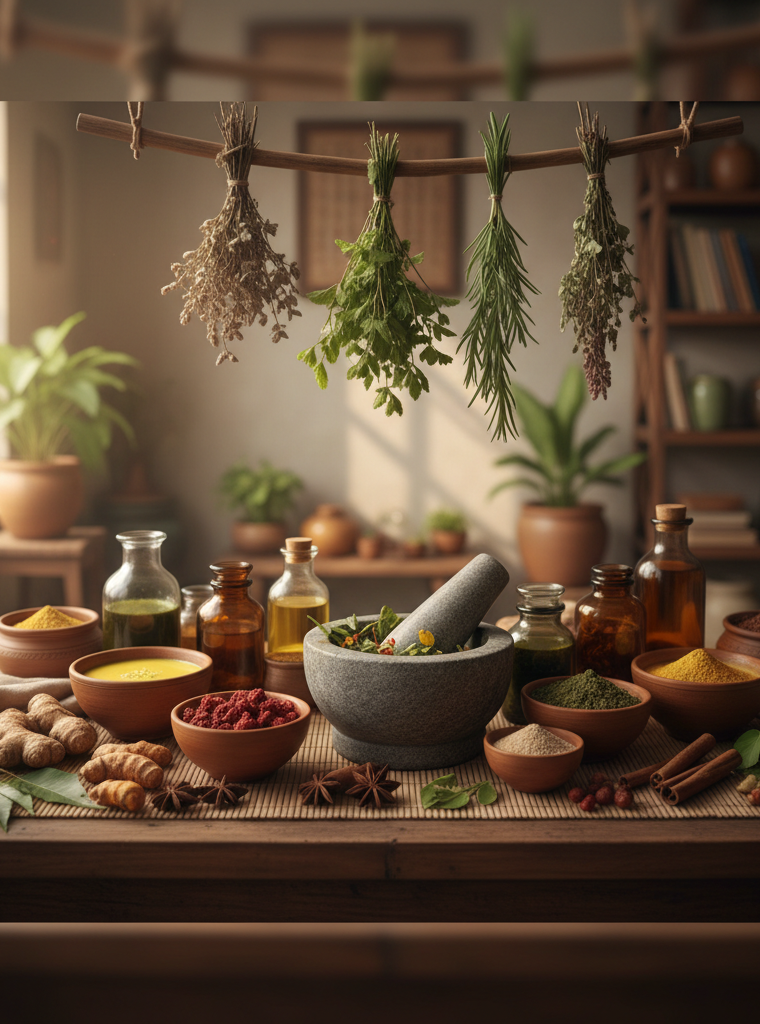
Spices are not just for flavor; they are true medicine. For Vata, warming spices are best, as they bring heat where it is most needed:
Ginger: In my experience, this is the best spice for improving circulation.
Turmeric: Incredible for calming inflammation, especially in the joints, where Vata often accumulates.
Cinnamon and cardamom: Ideal for desserts and warm drinks, they add wonderful flavor and medicinal properties.
: Your Support in Balancing Vata
Diet is the foundation of good health, but sometimes our body needs extra help from pure nature. At , we pride ourselves on offering 100% natural herbal products, created to help manage Vata imbalance. To achieve optimal results with the diet mentioned above, I would recommend our top supplements:
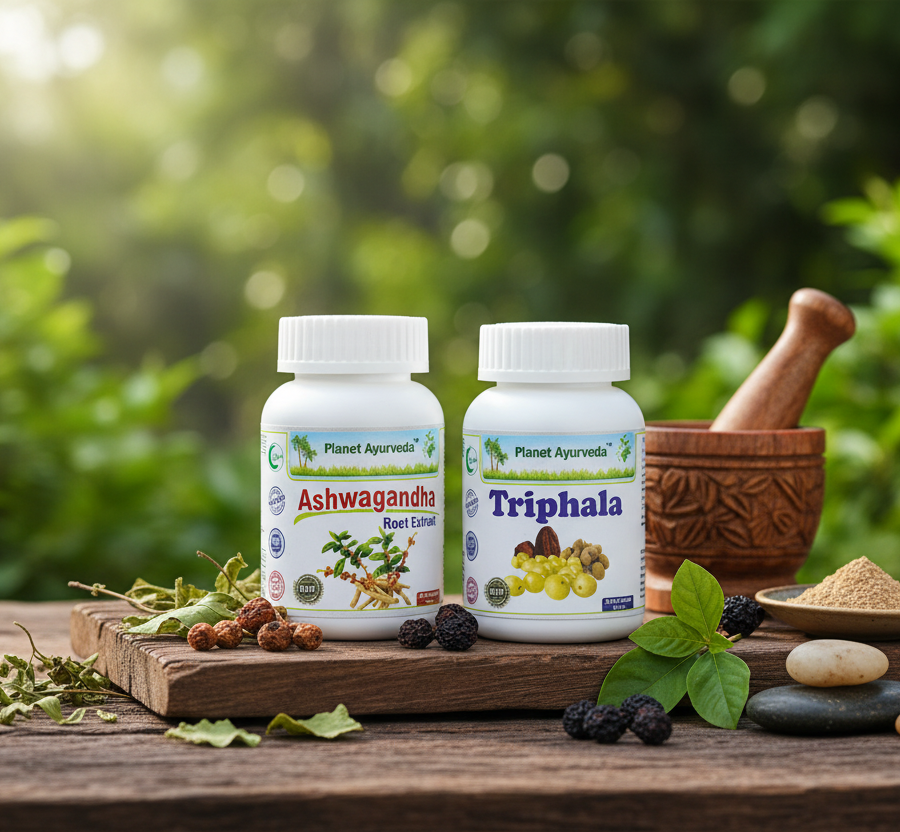
Ashwagandha: This is, without a doubt, the most powerful adaptogen that calms the nervous system and is of great help with the anxiety so characteristic of Vata.
Triphala: Gentle yet effective for detoxification and regulating bowel movements, which is crucial for Vata dosha. All our products are prepared according to traditional Ayurvedic recipes, with care and attention.
Ayurvedic Recipes for Vata Balance
1. Golden Quinoa Porridge (for breakfast)
This warm breakfast will keep you full and focused throughout the day, and its taste is a true delight. Ingredients: 1 cup quinoa, 2 cups almond milk, 1 tablespoon Ghee, cinnamon, a little grated fresh ginger, and honey to taste. Preparation: Boil the quinoa in the milk with the spices until it softens and absorbs the liquid. Finally, once it cools down slightly, add the Ghee and sweeten with honey.
2. Ayurvedic Kitchari (for lunch or dinner)
Kitchari is a true "superfood" of Ayurveda – incredibly easy to digest and completely nourishing. In my opinion, this is one of the best dishes for anyone who wants to balance Vata.
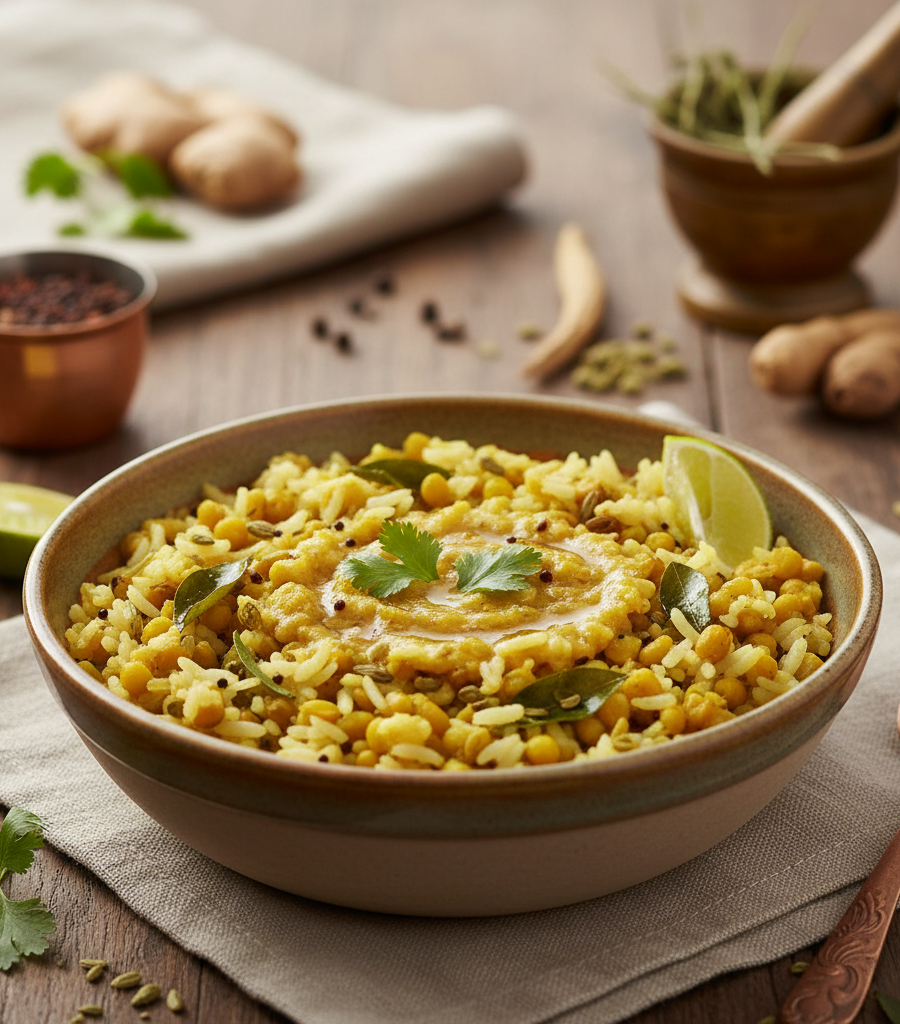
Ingredients: ½ cup basmati rice, ½ cup yellow lentils (Mung Dal), 1 tablespoon Ghee, a little cumin, turmeric, and sea salt to taste.
Preparation: In a pot, sauté the spices in Ghee until they smell wonderful. Add the rice and lentils, then pour in 4 cups of water. Cook until you get a creamy, porridge-like structure. Serve warm.
Conclusion
Balancing Vata dosha is not just a diet; it is actually a way of life. With a commitment to warm meals, a regular routine, and the powerful herbal formulas from, you can restore your vitality and find inner peace. Don't forget, small changes in everyday life can bring big results!
Sources and Scientific Support:
1. Classical Ayurvedic Texts (Foundation of Learning)
Charaka Samhita: The oldest and most important text on Ayurvedic medicine, which explains in detail the dietary principles for balancing the doshas.
Ashtanga Hridaya: A text that defines "Ahara" (diet) as one of the three pillars of health.
2. Modern Scientific Studies and Research
Ayurvedic Diet and Health (National Center for Biotechnology Information - NCBI): A scientific review exploring the impact of diet based on prakriti (constitution) on metabolism.
The Concept of Prakriti in Ayurveda (PubMed): A study explaining the link between genetics and Ayurvedic doshas (Vata, Pitta, Kapha).
Benefits of Ashwagandha for Stress and Anxiety: Scientific research on the effects of Ashwagandha on the nervous system (crucial for balancing Vata).
Therapeutic Effects of Ghee in Ayurveda: Research on the role of clarified butter (Ghee) in nutrient absorption and digestion.
3. International Health Institutions
National Center for Complementary and Integrative Health (NCCIH): The official position of the US National Institutes of Health on Ayurveda as a complementary approach.
The Ayurvedic Institute (Dr. Vasant Lad): A reference point for education on Vata dosha diet from one of the most famous Ayurvedic doctors today.
4. Relevant Articles on Ingredients (SEO Support)
Turmeric and Health: How turmeric affects inflammatory processes in Vata types.
Available in the US
Products in this area of wellness
Traditionally used in the areas this article covers. They are not treatments for any condition, and nothing here is a recommendation for you specifically.
Disclosure: some links below are affiliate links. If you buy through them, AyurvedaGrid may earn a commission at no extra cost to you, and those products are listed first. Which products are relevant at all comes from the topic of the article — nothing here is a recommendation for you specifically.
- Moringa Oil Capsules Super Food Extract(opens in a new tab)affiliateSri Sri Tattva USA· Capsule
General wellness; no single focus — daily superfood nourishment
- AyushMulti(opens in a new tab)Ayush Herbs
General wellness; no single focus — daily multivitamin
- Green Essentials Capsules(opens in a new tab)Planet Ayurveda· Capsule
General wellness; no single focus — daily antioxidant greens
These statements have not been evaluated by the Food and Drug Administration. These products are not intended to diagnose, treat, cure or prevent any disease. Speak to your own healthcare provider before starting a supplement, particularly if you are pregnant, nursing, or taking medication.
Continue reading
 Ayurvedic Basics & Doshas
What is Ayurveda: A Complete Guide for Beginners and Healthy Living
Discover the power of Ayurveda: A comprehensive guide to the 5,000-year-old "Science of Life." Learn how to identify your unique doshas (Vata, Pitta, and Kapha), how to kindle your digestive fire (Agni), and how to integrate ancient rituals and powerful herbs into a modern lifestyle for perfect balance and longevity.
 Ayurveda
Turmeric as a Remedy: Benefits, Uses, and Best Recipes
This blog post serves as a comprehensive guide to the power of the "golden spice" – turmeric. The text explains in detail the anti-inflammatory and antioxidant properties of curcumin, its application for chronic pain, digestive issues, and boosting immunity. In addition to scientific facts, the post offers practical recipes for "golden milk" and tea, as well as recommendations for high-quality supplements for maximum results.
 Ayurveda
Natural home remedies everyone should know: Your kitchen as a pharmacy
Discover 19 simple and powerful home remedies from your kitchen that help with coughing, digestive issues, headaches, and boosting immunity. Learn how the ancient Ayurvedic wisdom can help you improve your health in a natural way.
Your Ayurvedic overview
Curious about your own constitution?
Take the free guided assessment and receive your personal Ayurvedic overview — about ten minutes, private to your account.
Start Your Journey