
Ayurvedic Diet for Pitta Dosha: A Complete Guide to Balance and Health

Ayurveda, the ancient "science of life" from India, has long taught us that health is much more than the absence of disease. In fact, it suggests that true health lies in a deep balance between our body, mind, and spirit. At the heart of this complex system are the three fundamental energy forces, known as doshas: Vata, Pitta, and Kapha.
Today we will focus on the Pitta dosha – the energy responsible for transformation, metabolism, and digestion. When Pitta is in balance, we feel focused, intelligent, and full of vitality. But when this "inner fire" flares up too much, unpleasant symptoms such as inflammation, acid reflux, or increased irritability can easily arise.

What exactly is Pitta Dosha and how to recognize it?
Pitta is governed by the powerful elements of fire and water. It is responsible not only for the physical digestion of food but also, equally importantly, for the way we "digest" information and emotions.
Physical characteristics: People with dominant Pitta often have a medium build, warm skin that reddens easily, piercing eyes, and a strong digestive fire (Agni), which means they often have a good appetite and a fast metabolism.
Signs of imbalance: When Pitta is out of balance, you may notice skin rashes, excessive sweating, persistent heartburn, ulcers, diarrhea, and even intense feelings of anger or impatience.
In order to "extinguish" this internal fire, Ayurveda offers a specific dietary regimen that relies on the principles of cooling and calming.
Key principles of the Ayurvedic diet for Pitta
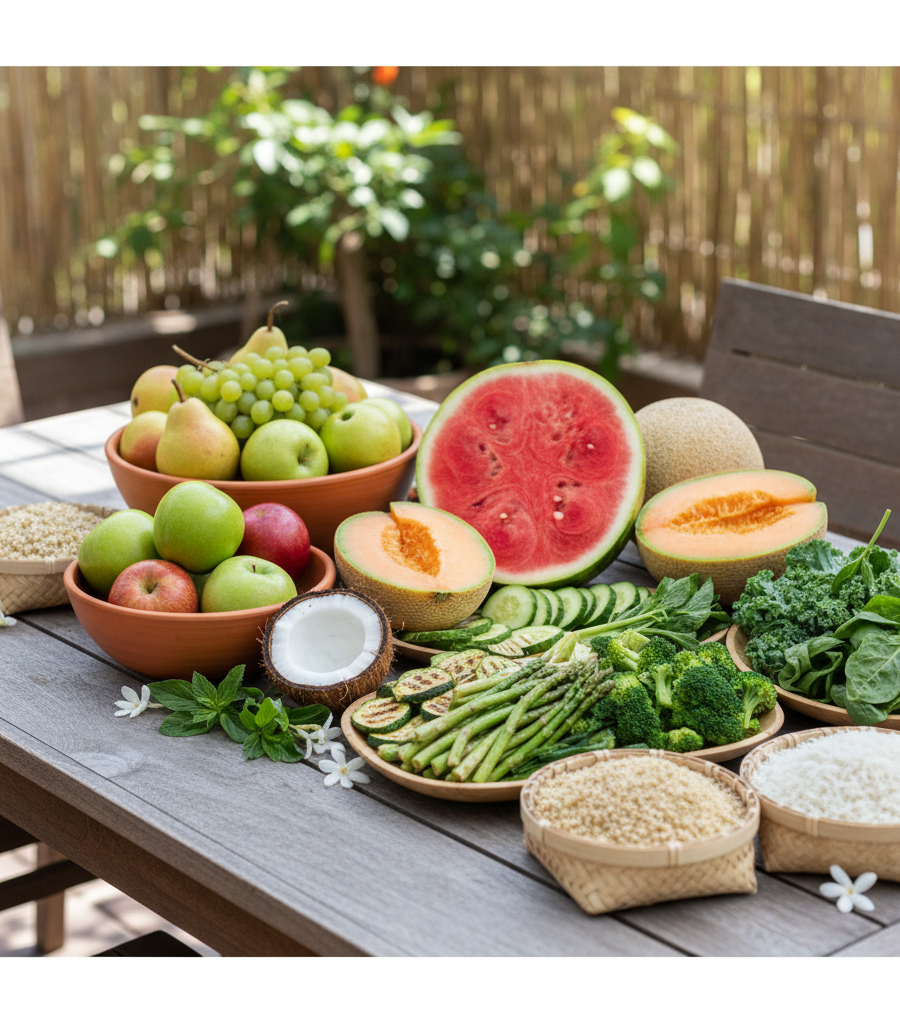
1. Choose cooling and refreshing foods
Instead of burdening the body with "hot" foods, Ayurveda advises us to look for ingredients that naturally reduce internal heat. Your body literally craves them!
Fruits: Sweet and juicy fruits are your best friend. Enjoy refreshing pears, apples, watermelon, melon, sweet grapes, and coconut. It is important to avoid sour fruits like oranges and grapefruit, which can increase Pitta.
Vegetables: Focus on vegetables with high water content, such as cucumbers, zucchini, asparagus, broccoli, and of course, green leafy vegetables like kale and spinach. These foods are like natural air conditioning for your body.
Grains: Cooling grains like barley, oats, quinoa, and basmati rice are ideal for maintaining energy without the risk of overheating the system.
2. The three key tastes: Sweet, Bitter, and Astringent
Ayurveda recognizes six tastes, and for balancing Pitta, these three are considered particularly healing:
Sweet: We are not talking about refined sugar here, but naturally sweet foods like grains, milk, and sweet fruits. These tastes calm the Pitta fire.
Bitter: Leafy greens and spices like turmeric are excellent. They help detoxify the liver, which in the Ayurvedic tradition is considered the "seat" of Pitta energy.
Astringent: Legumes (beans, lentils, chickpeas) and pomegranate help absorb excess moisture and heat, effectively calming Pitta.
3. Healthy fats for hydration and lubrication
Pitta dosha can be "sharp" and intense, so quality fats are necessary to "lubricate" the system and allow for smooth functioning:
Ghee: This clarified butter fat is the most valued in Ayurveda. Besides cooling the digestive tract, ghee is also known for its property of strengthening immunity.
Coconut oil: With its natural cooling properties, coconut oil is an excellent choice for meal preparation, especially during the hot summer months.
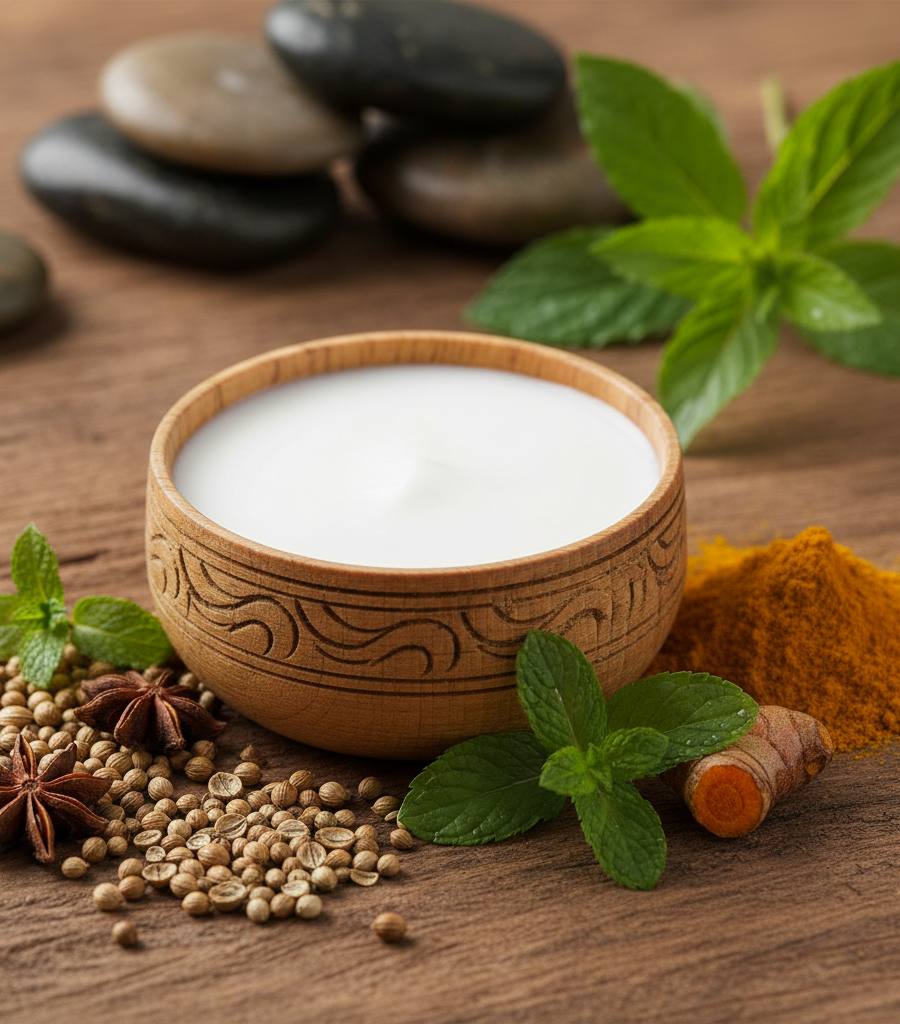
4. Spices that balance, not burn
Forget chili and hot peppers. Instead, turn to milder but no less effective spices:
Coriander and Fennel: These spices calm the digestive system and help with bloating.
Turmeric: Known for its anti-inflammatory properties, turmeric helps purify the blood and improves skin condition.
Mint: Its refreshing aroma and taste immediately cool the body's energy, giving a sense of freshness.
: Your support for balancing Pitta
Diet is certainly the foundation, but sometimes our body needs additional support to release accumulated heat. offers a wide range of 100% natural, organic products that are specially formulated according to authentic Ayurvedic recipes. I find their approach to traditional wisdom truly impressive.
For individuals with dominant Pitta, I would primarily recommend:
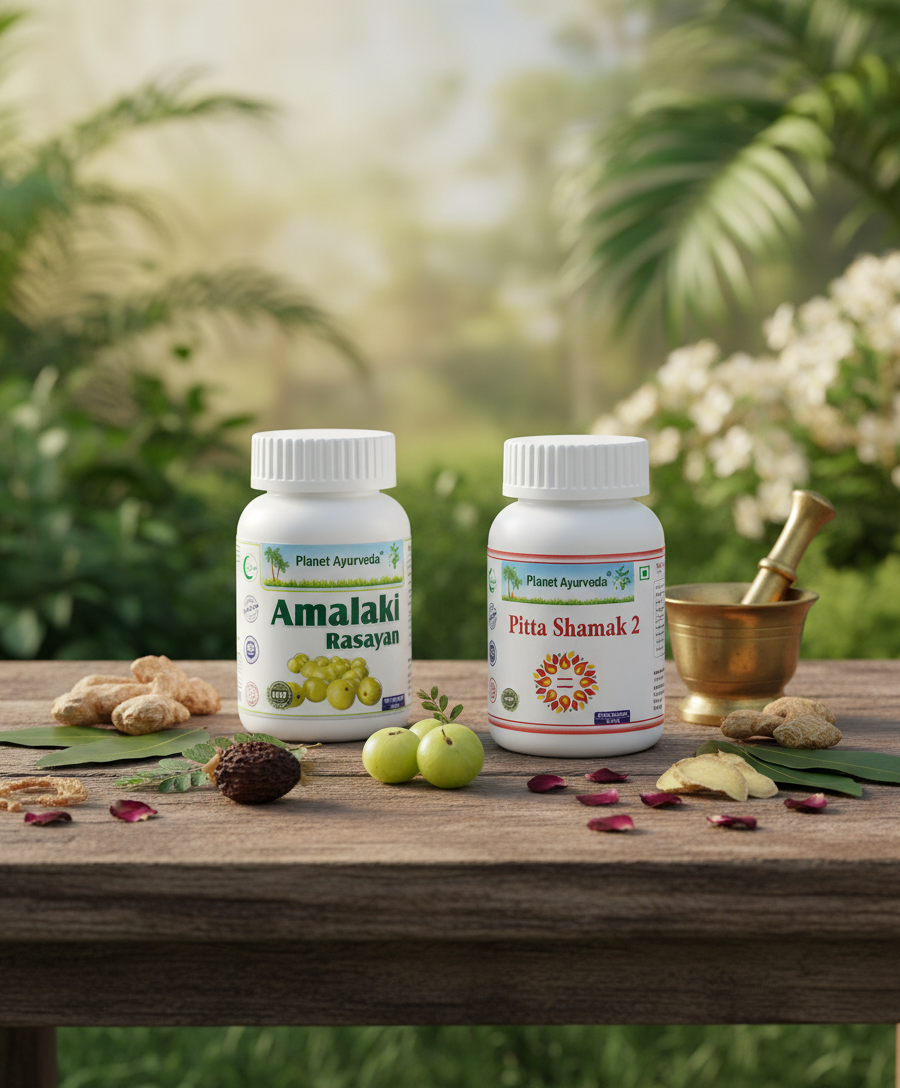
Pitta Shamak 2: This powerful formula, based on natural calciums and pearl powder, immediately calms acidity and the unpleasant burning sensation in the stomach – something that, in my experience, many Pitta types often encounter.
Amalaki (Amla): Known as the richest natural source of vitamin C, Amalaki is unique because it does not increase Pitta, but on the contrary – effectively cleanses the body of toxins and revitalizes it.
Important note: When these supplements are combined with the above-mentioned diet, you can drastically improve your condition in just a few weeks. After all, synergy is key in Ayurveda!
Inspirational recipes for cooling and balance
Cucumber Raita (Ayurvedic side dish)
This side dish is almost mandatory with every heavier meal to effectively neutralize heat. It's like adding a fresh wave of cooling to your digestion.
Ingredients: 1 cup fresh, thick yogurt, 1 grated cucumber, a few fresh mint leaves, a pinch of cumin powder.
Preparation: Simply mix all the ingredients and serve the raita cold. The cucumber and mint act as an internal air conditioner, I assure you!
Mung Bean Soup (Dal)
Mung beans are the easiest legume to digest in Ayurveda, making them the perfect choice for Pitta dosha.
Ingredients: 1 cup mung beans, 6 cups water, turmeric, cumin, Ghee.
Preparation: Boil the beans with turmeric until completely soft. At the end, add the "tadka" – Ghee heated with cumin seeds, which improves digestion and absorption.
Refreshing Quinoa Salad
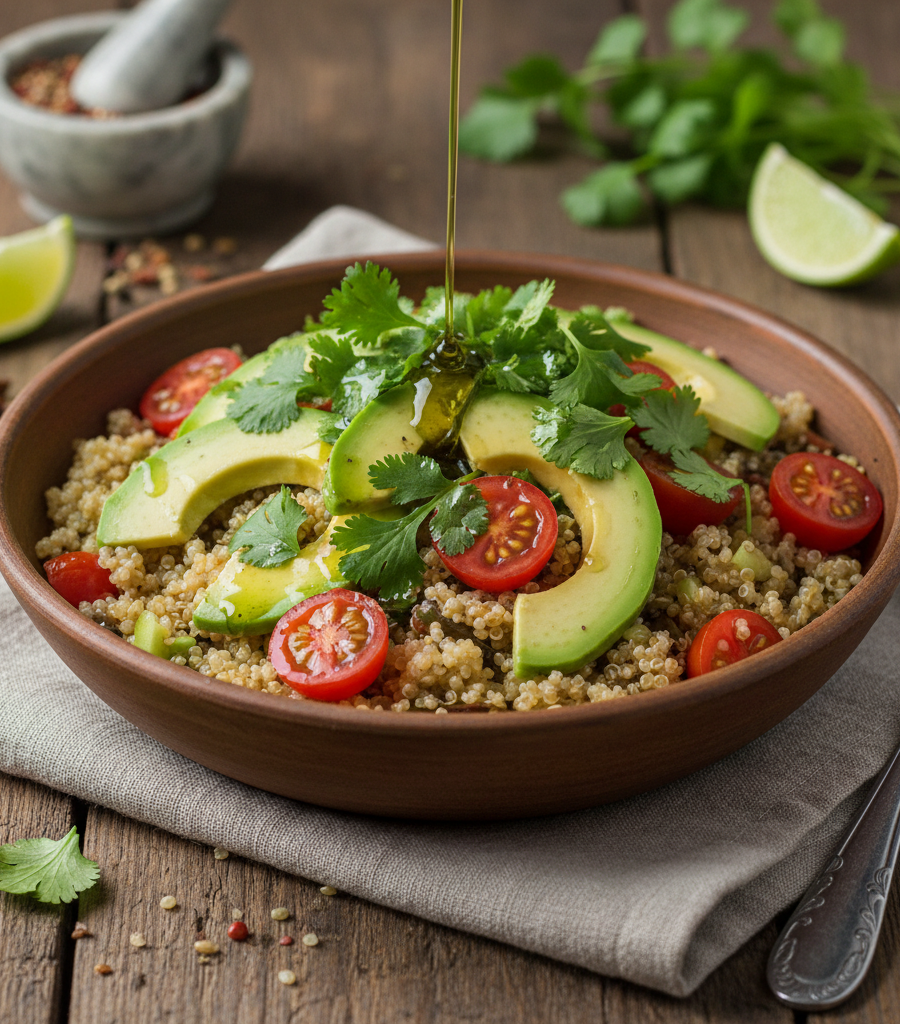
Ingredients: Freshly cooked quinoa, ripe avocado, juicy cherry tomatoes, plenty of fresh coriander, lime juice, and extra virgin olive oil.
Benefit: This meal is rich in proteins and healthy fats that effectively satiate the Pitta dosha without causing a feeling of heaviness or overload.
Chia and Coconut Pudding
Preparation: Soak chia seeds in coconut milk, with a little maple syrup for sweetness. Leave it in the fridge overnight and enjoy an ideal breakfast that will keep you calm and focused all day. This is one of my personal favorites for calming the mind.
Conclusion: Listen to your body and enjoy!
Balancing the Pitta dosha is not just a strict choice of food, but much more – it is an entire lifestyle. Therefore, eat in a calm and relaxed environment, avoid fast meals "on the go," and always remember to hydrate with cold fennel and coriander tea. Small changes can work wonders!
Are you ready to incorporate the wisdom of Ayurveda into your daily life? I invite you to look at our complete range of products at and find the ideal solution for your dosha. I believe you will find something that will truly help you on the path to better health.
References and Scientific Sources
Classical Ayurvedic Texts
Charaka Samhita (Ancient Ayurvedic Text) – One of the fundamental pillars of Ayurvedic medicine that explains the concept of the three doshas in detail. Read more here
Vagbhata, Ashtanga Hridaya – A classic text focusing on daily routines and balancing doshas through diet.
Modern Authors and Experts
Dr. Vasant Lad, "Ayurveda: The Science of Self-Healing" – A guide to the principles of Ayurveda by one of the world's most famous experts. Link to the book
Dr. David Frawley, "Yoga & Ayurveda" – Exploration of the connection between diet and the body's energy types.
Scientific Research and Publications
Journal of Ayurveda and Integrative Medicine (J-AIM): Study on the impact of the Ayurvedic diet on metabolism and inflammatory processes (relevant to Pitta). Link to the journal
PubMed (NCBI): "Scientific Basis for the Therapeutic Use of Ghee in Ayurveda" – Research on the benefits of Ghee in the digestive system. Link to the study
National Center for Complementary and Integrative Health (NCCIH): General overview of Ayurveda as a complementary approach to health. Link to the resource
ResearchGate: "Pitta Dosha and its Management through Diet and Lifestyle" – Scientific paper on managing Pitta imbalance. Link to the paper
Specialized Resources
(Official Knowledge Base): Information on herbs and supplements that calm the Pitta dosha. Link India
The Chopra Center: Dietary guidelines for calming Pitta. Link to the guide
Available in the US
Products in this area of wellness
Traditionally used in the areas this article covers. They are not treatments for any condition, and nothing here is a recommendation for you specifically.
Disclosure: some links below are affiliate links. If you buy through them, AyurvedaGrid may earn a commission at no extra cost to you, and those products are listed first. Which products are relevant at all comes from the topic of the article — nothing here is a recommendation for you specifically.
- Moringa Oil Capsules Super Food Extract(opens in a new tab)affiliateSri Sri Tattva USA· Capsule
General wellness; no single focus — daily superfood nourishment
- AyushMulti(opens in a new tab)Ayush Herbs
General wellness; no single focus — daily multivitamin
- Green Essentials Capsules(opens in a new tab)Planet Ayurveda· Capsule
General wellness; no single focus — daily antioxidant greens
These statements have not been evaluated by the Food and Drug Administration. These products are not intended to diagnose, treat, cure or prevent any disease. Speak to your own healthcare provider before starting a supplement, particularly if you are pregnant, nursing, or taking medication.
Continue reading
 Ayurvedic Basics & Doshas
What is Ayurveda: A Complete Guide for Beginners and Healthy Living
Discover the power of Ayurveda: A comprehensive guide to the 5,000-year-old "Science of Life." Learn how to identify your unique doshas (Vata, Pitta, and Kapha), how to kindle your digestive fire (Agni), and how to integrate ancient rituals and powerful herbs into a modern lifestyle for perfect balance and longevity.
 Ayurveda
Turmeric as a Remedy: Benefits, Uses, and Best Recipes
This blog post serves as a comprehensive guide to the power of the "golden spice" – turmeric. The text explains in detail the anti-inflammatory and antioxidant properties of curcumin, its application for chronic pain, digestive issues, and boosting immunity. In addition to scientific facts, the post offers practical recipes for "golden milk" and tea, as well as recommendations for high-quality supplements for maximum results.
 Ayurveda
Natural home remedies everyone should know: Your kitchen as a pharmacy
Discover 19 simple and powerful home remedies from your kitchen that help with coughing, digestive issues, headaches, and boosting immunity. Learn how the ancient Ayurvedic wisdom can help you improve your health in a natural way.
Your Ayurvedic overview
Curious about your own constitution?
Take the free guided assessment and receive your personal Ayurvedic overview — about ten minutes, private to your account.
Start Your Journey