
Ayurvedic Diet for Kapha Dosha: A Complete Guide to Balance and Weight Loss

In Ayurveda, the ancient Indian system of medicine, the key to good health lies in the balance of three vital energies, known as doshas: Vata, Pitta, and Kapha. Each of us possesses a unique combination of these energies, but when any of them falls out of balance, it can lead to a range of health problems.
Kapha dosha is represented by the elements of earth and water. It is responsible for our body's structure, its stability, and the lubrication of joints. However, when Kapha levels increase, unpleasant symptoms such as a feeling of heaviness, lethargy, and stagnation can occur.

How to Recognize a Kapha Dosha Imbalance?
When Kapha is unbalanced in the body, you will often notice some of the following signs:
Difficulty maintaining a healthy weight, often with uncontrolled weight gain.
Water retention, which can manifest as swelling in the body.
Slow digestion, followed by a feeling of heaviness after eating.
Chronic fatigue, excessive need for sleep, and even a depressed mood.
Frequent colds and sinus problems.
Ayurvedic Diet for Kapha: Basic Principles
To balance Kapha dosha through diet, the focus should be on light, warm, and dry foods. Since Kapha itself is cold, heavy, and moist by nature, our goal is to counter these qualities through wise food choices. Here are several key principles:
Key Dietary Principles:
Flavors: Orient yourself toward pungent, bitter, and astringent flavors. These flavors are known for stimulating the metabolism and helping to clear mucus from the body.
Warmth: Always prefer cooked, warm food. Avoid large quantities of cold drinks and raw food, especially in the colder months.
Lightness: It is important to avoid heavy, oily, and excessively salty foods, as they contribute to water retention and make digestion difficult.
Recommended Foods for Kapha Type
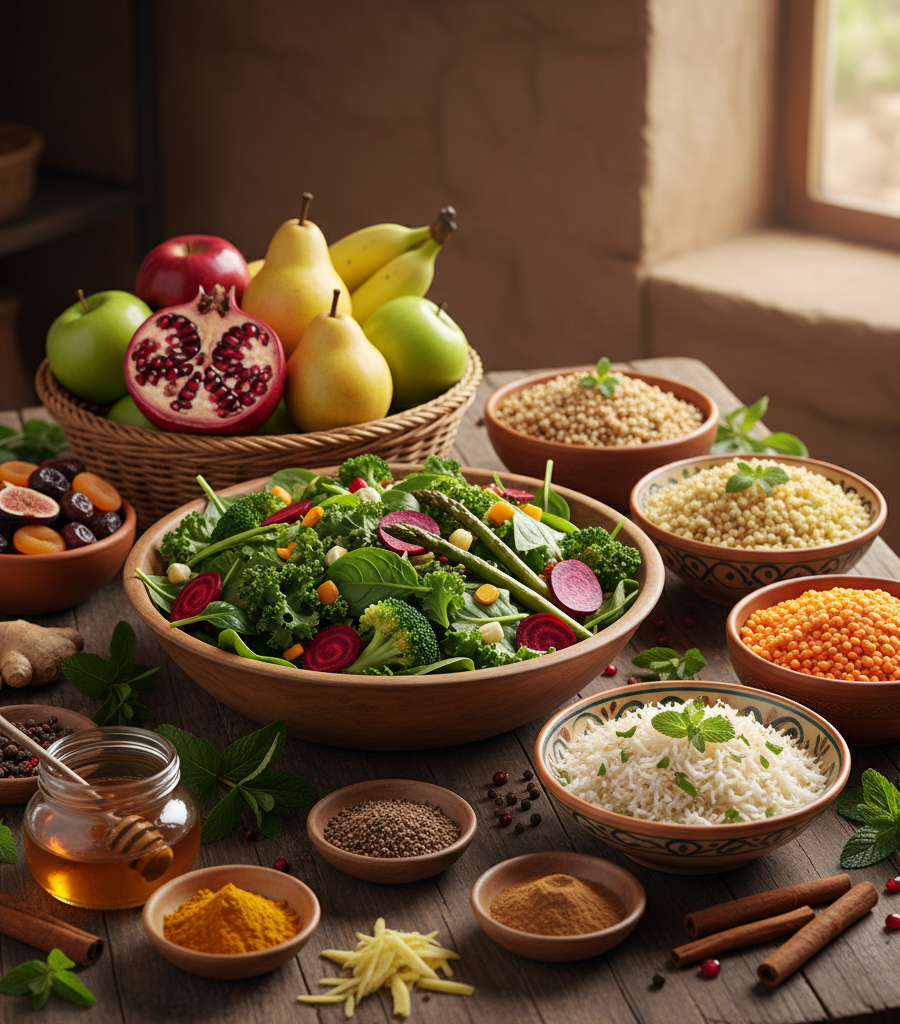
To strengthen your digestive fire (Agni) and help with weight loss, include the following foods in your meals:
Vegetables: Give preference to leafy green vegetables like spinach, kale, and broccoli. Beets and asparagus are also excellent for detoxification.
Fruits: Choose lighter options like apples, pears, pomegranates, and dried fruits. Be careful with bananas, avocados, and oranges, as they are considered "heavier" for Kapha.
Grains: Quinoa, barley, millet, and lentils are ideal choices. Basmati rice is acceptable but should be consumed in moderation.
Spices: This is perhaps the most important part! Use ginger, turmeric, black pepper, cumin, and cinnamon generously. They act as real fuel for your metabolism.
Sweeteners: Honey is the only sweetener recommended for Kapha, as it helps in expelling excess mucus and toxins (Ama) from the body.
Important: Strive to avoid dairy products like yogurt, butter, and cream, as they greatly increase Kapha dosha. Instead, you can use a small amount of safflower or sunflower oil.
: Natural Support for Balancing Kapha
Sometimes, diet alone is not enough to expel long-accumulated toxins. In such cases, products from , which are 100% natural and based on proven Ayurvedic formulas, can offer powerful support.

For those with a dominant Kapha dosha or those struggling with excess weight and slow metabolism, products from are a valuable aid:
Digestion support: This combination of powerful herbs is formulated to kindle the digestive fire.
Guggul: Ideal for regulating blood fats and can significantly help in the weight loss process.
Kanchanar Guggul: Particularly useful for lymphatic congestion and reducing swelling in the body.
Combining the right diet with these herbal supplements can drastically speed up the process of restoring balance to your body.
Lifestyle: How to Activate Kapha Dosha?
Besides proper food, movement is absolutely crucial for the Kapha type. Here are some tips:

Be active: Regular exercise – whether it's jogging, intense yoga, or some form of dance – is mandatory to overcome the natural tendency toward lethargy.
Wake up early: Try to get up before 06:00 AM. Sleeping past this time can further contribute to a feeling of heaviness in the body.
Breathing and meditation: Practicing breathing exercises (Pranayama) can help clear the respiratory tracts and contribute to better emotional stability.
Ayurvedic Recipes for Balancing Kapha
1. Warm Detox Tea with Ginger and Cumin
This tea is excellent for starting the day, as it stimulates the appetite and encourages digestion.
Ingredients: 1 cup of water, 1 teaspoon grated ginger, 1/2 teaspoon cumin, a pinch of black pepper, and honey (added after the tea cools down).
Preparation: Let the ingredients boil for about 10 minutes, then strain and enjoy while warm.
2. Protein Quinoa Porridge for Breakfast
A light but nutritious breakfast that provides energy without a feeling of heaviness.
Ingredients: 1 cup quinoa, 2 cups water, a little cinnamon, ginger powder, and some chopped walnuts.
Preparation: Boil the quinoa for about 15 minutes. At the end, add the spices and walnuts.
3. Spiced Lentils with Curry (Dal)
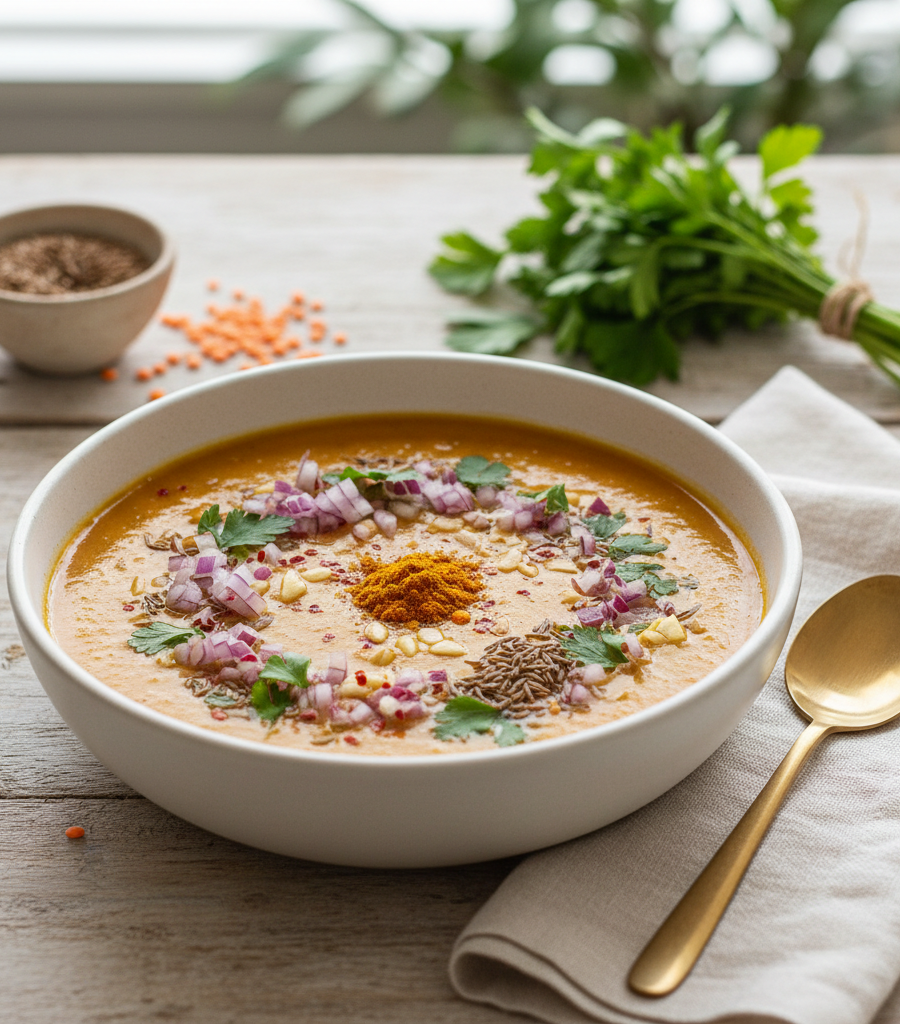
A delicious and light meal, ideal for balancing Kapha.
Ingredients: Red lentils, finely chopped onion, garlic, turmeric, cumin, and fresh parsley.
Preparation: Sauté the spices in a very small amount of oil, add the lentils and water. Cook until the lentils soften (about 20 minutes).
Key Takeaways
Adopting an Ayurvedic diet for Kapha dosha should not be seen as a restriction, but as a conscious choice of food that will give you vitality and a sense of lightness. Listen to your body and allow yourself to take the first steps toward a better "you," filled with more energy and health.
References and Scientific Sources
Classical Ayurvedic Texts (Foundation)
These works are the foundation of all Ayurvedic knowledge and define the principles of Kapha dosha:
Charaka Samhita: The oldest and most authoritative text on Ayurvedic medicine.
Ashtanga Hridayam: A text explaining daily routines and dietary principles.
Scientific Research and Medical Publications
Modern studies linking Ayurveda with genetics, metabolism, and health:
Prakriti-based medicine: A step towards personalized medicine – A study published in the National Center for Biotechnology Information (NCBI) explaining how Ayurvedic constitutions (doshas) are related to metabolic processes.
Effect of Ayurvedic herbs on obesity (Guggul and Trikatu) – Research on the influence of herbs like Guggul and Trikatu (mentioned) on lipid reduction and body weight.
Ginger: An overview of health benefits – A scientific review of how ginger stimulates digestion (Agni), which is crucial for the Kapha type.
Relevant Institutions and Resources
National Center for Complementary and Integrative Health (NCCIH) – Official information on the safety and efficacy of Ayurveda from the US National Institute.
Journal of Ayurveda and Integrative Medicine (J-AIM) – A specialized journal for clinical research in the field of Ayurveda.
Available in the US
Products in this area of wellness
Traditionally used in the areas this article covers. They are not treatments for any condition, and nothing here is a recommendation for you specifically.
Disclosure: some links below are affiliate links. If you buy through them, AyurvedaGrid may earn a commission at no extra cost to you, and those products are listed first. Which products are relevant at all comes from the topic of the article — nothing here is a recommendation for you specifically.
- Moringa Oil Capsules Super Food Extract(opens in a new tab)affiliateSri Sri Tattva USA· Capsule
General wellness; no single focus — daily superfood nourishment
- AyushMulti(opens in a new tab)Ayush Herbs
General wellness; no single focus — daily multivitamin
- Green Essentials Capsules(opens in a new tab)Planet Ayurveda· Capsule
General wellness; no single focus — daily antioxidant greens
These statements have not been evaluated by the Food and Drug Administration. These products are not intended to diagnose, treat, cure or prevent any disease. Speak to your own healthcare provider before starting a supplement, particularly if you are pregnant, nursing, or taking medication.
Continue reading
 Ayurvedic Basics & Doshas
What is Ayurveda: A Complete Guide for Beginners and Healthy Living
Discover the power of Ayurveda: A comprehensive guide to the 5,000-year-old "Science of Life." Learn how to identify your unique doshas (Vata, Pitta, and Kapha), how to kindle your digestive fire (Agni), and how to integrate ancient rituals and powerful herbs into a modern lifestyle for perfect balance and longevity.
 Ayurveda
Turmeric as a Remedy: Benefits, Uses, and Best Recipes
This blog post serves as a comprehensive guide to the power of the "golden spice" – turmeric. The text explains in detail the anti-inflammatory and antioxidant properties of curcumin, its application for chronic pain, digestive issues, and boosting immunity. In addition to scientific facts, the post offers practical recipes for "golden milk" and tea, as well as recommendations for high-quality supplements for maximum results.
 Ayurveda
Natural home remedies everyone should know: Your kitchen as a pharmacy
Discover 19 simple and powerful home remedies from your kitchen that help with coughing, digestive issues, headaches, and boosting immunity. Learn how the ancient Ayurvedic wisdom can help you improve your health in a natural way.
Your Ayurvedic overview
Curious about your own constitution?
Take the free guided assessment and receive your personal Ayurvedic overview — about ten minutes, private to your account.
Start Your Journey