
Ayurvedic Diet: A Guide to Digestion, Doshas, and Balance
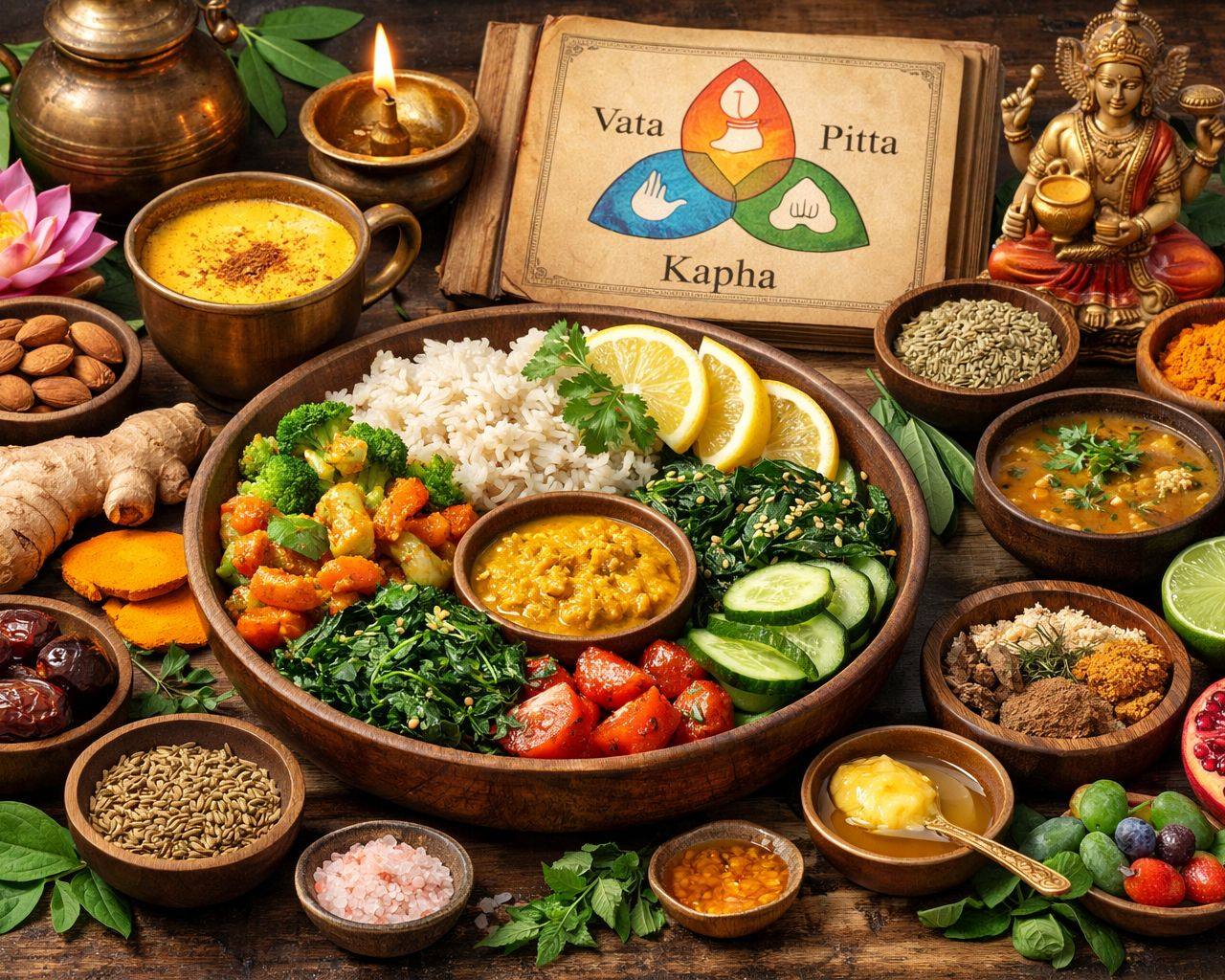
An Ayurvedic diet does not just mean a list of forbidden foods. On the contrary, it represents a complex system for food selection and establishing habits, tailored to individual digestion, current physical state, and the current season. Ayurveda treats the Ayurvedic diet as an integral part of a broader therapy, which includes routine, physical activity, and an overall lifestyle. (NCCIH)
While modern nutrition often focuses on calories, macro, and micronutrients—an approach that is undoubtedly useful—the Ayurvedic diet adds another essential layer. It asks: how we eat, when we eat, and, most importantly, how our digestive system reacts to the food consumed. The goal of this text is to offer you clear principles and practical steps for applying these philosophies.
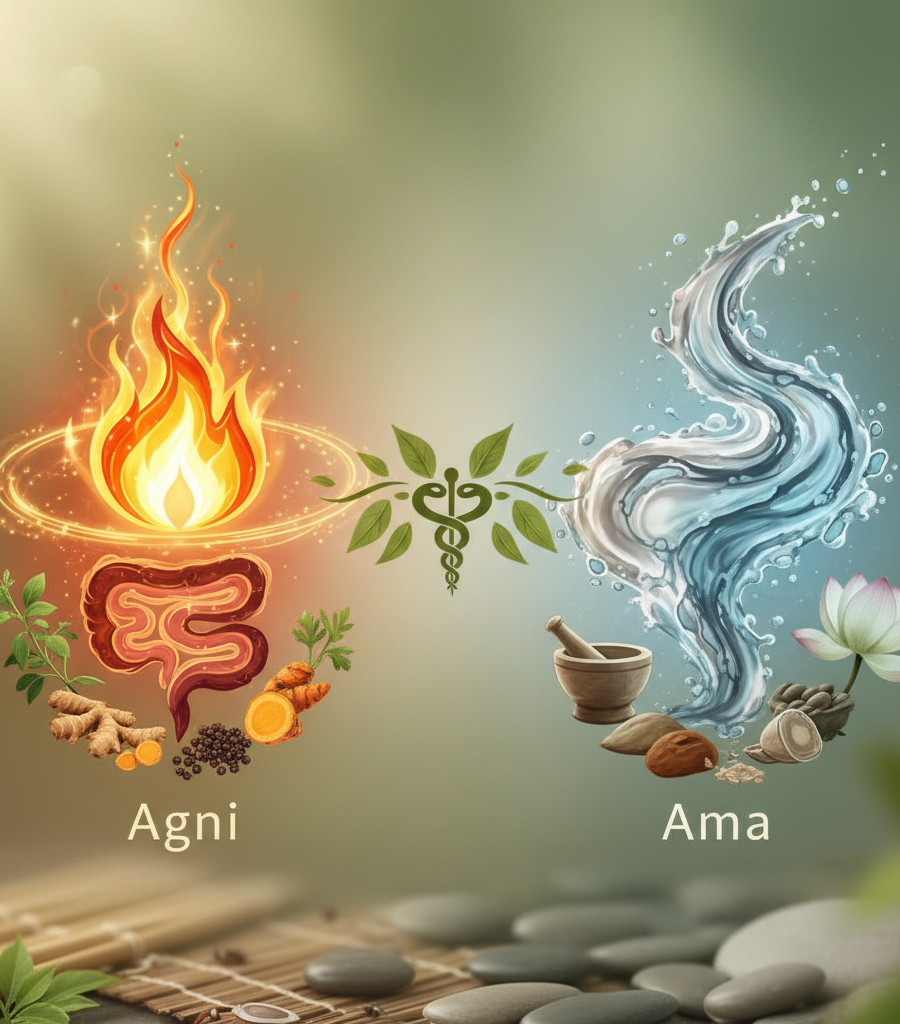
The Foundation of Everything: Agni and Ama
The term Agni denotes the digestive and metabolic force in the human body. According to Ayurvedic physiology, Agni is key to the digestion, absorption, and transformation of food into energy and nutrients for the tissues. (PMC+1)
How to recognize weak Agni in practice:
Heaviness after eating
Bloating and gas
Irregular bowel movements
Sleepiness after a meal
Unstable appetite
Ama, on the other hand, refers to undigested or improperly processed digestive products that accumulate in the body, creating a burden. Ayurvedic literature links Ama with impaired digestion and metabolism, considering it a significant factor in the development of various conditions. (PMC+1)
Practical Goal:
First, the priority is building a stable Agni. Only then can food choices be refined according to dosha and season. If this order is reversed, you will be trying to follow a "perfect" diet with inefficient digestion – which, according to Ayurvedic principles, is counterproductive. In the Ayurvedic tradition, ghee (clarified butter) is a powerful tool for balancing health. It is purified butter that plays a key role in supporting Agni (digestive fire) and helps with better nutrient absorption.
6 Tastes: Shad Rasa as a Tool, Not a Cult
Ayurveda works with six basic tastes: sweet, sour, salty, pungent, bitter, and astringent. These tastes are used as a framework for balancing meals, influencing doshas and bodily functions. (jaims.in)
Practical rule for a meal:
Include at least 4 of the 6 tastes in the main meal.
For lunch, aim for 5 of the 6 tastes.
It is not imperative to consume "all 6 tastes every time." It is much more important to achieve stable digestion.
Why does this work in reality?
This framework encourages dietary diversity – instead of limiting yourself only to pasta and sugar, or exclusively to salads. It makes you think about bitter and astringent elements, which are often missing in the modern diet.
Rules of Eating: Ahara Vidhi Vidhana
Ayurvedic texts describe in detail the rules for quantity, timing, manner of eating, and mental state during a meal. Modern research summarizes these rules as guidelines for better assimilation and stable digestion. (LWW Journals)
Most useful rules for your day:
Eat when you feel true appetite, not out of boredom.
Let lunch be the main meal, because that is when digestive strength, according to Ayurvedic logic, is highest.
Eat slowly and avoid screens.
Leave enough of a break between meals, without constant snacking.
Stop eating before you feel too full.
Nutrition According to Dosha: A Practical Model
Ayurveda groups individual tendencies into three doshas: Vata, Pitta, and Kapha. In the context of nutrition, this means that different people react differently to the same foods and routines. (NCCIH)
4.1 Vata Type: Dry, cold, unstable

Goal:
Warmth, cooked food, regularity.
Focus Foods:
Warm stews, cooked dishes, kitchari-style combinations.
Rice, oats, potatoes, carrots, pumpkin.
Ghee or high-quality oils in small quantities.
Warm spices: ginger, cumin, fennel, cinnamon.
Limitations:
Too many raw salads in winter.
Cold drinks with the meal.
Irregular meals and skipping lunch.
4.2 Pitta Type: Hot, sharp, intense
Goal:
Cooling and calming. Avoiding excessive pungent stimuli.
Focus Foods:
Rice, barley, oats, cucumber, zucchini, broccoli.
Coriander, mint, fennel.
Bitter and astringent elements in moderation.
Limitations:
Too many spicy, sour, and fried dishes.
Alcohol and large amounts of coffee on an empty stomach.
4.3 Kapha Type: Heavy, moist, stable
Goal:
Lightness, warmth, activation.
Focus Foods:
Light soups, cooked vegetables, legumes in moderation.
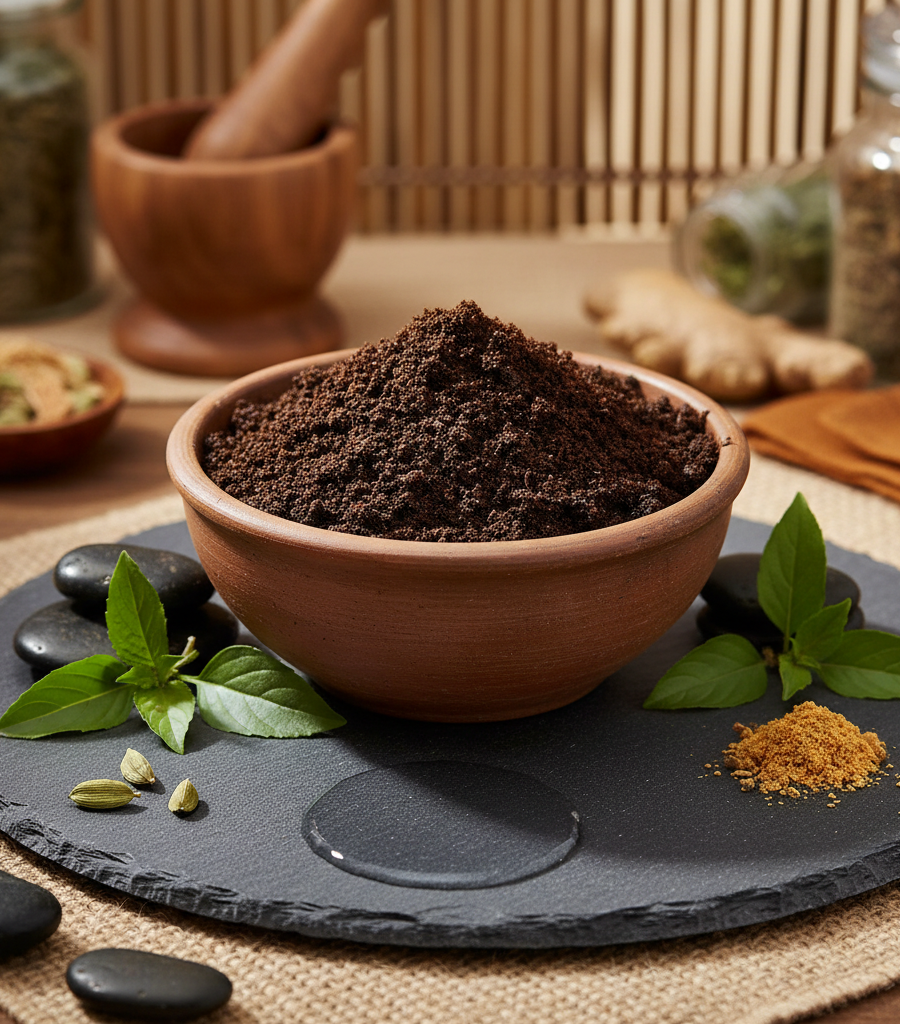
Spices that "wake up" digestion: ginger, black pepper, turmeric.
More bitter and astringent tastes for balance.
Limitations:
Heavy dairy products and sweets in the evening.
Heavy dinners.
Constant snacking.
Seasonal Ayurvedic Diet: Ritucharya in Practice
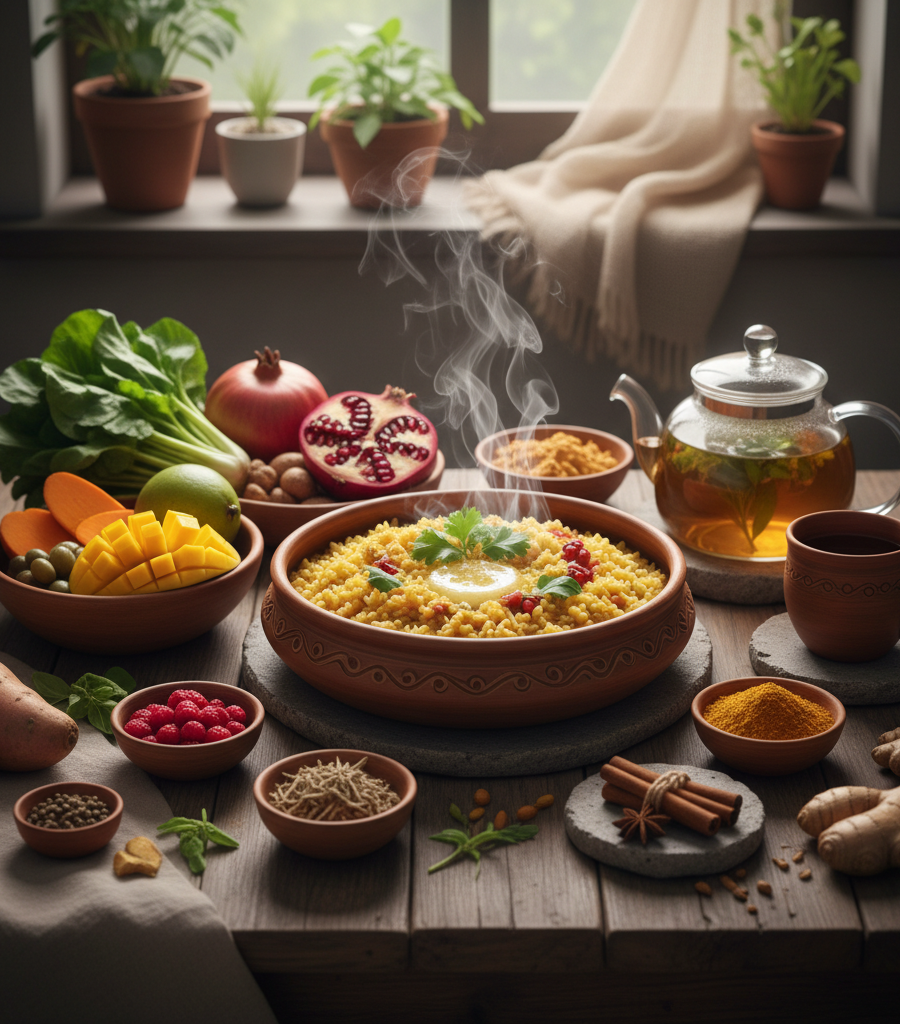
Ritucharya, or seasonal routine, represents the adjustment of diet and habits according to seasonal changes. Modern papers explore ritucharya as a system for adaptation to seasonal influences. (PMC)
Winter
Goal:
Warming and stability.
More cooked food, stews, roasted vegetables.
Warm spices and warm drinks between meals.
Less raw and cold food.
Spring
Goal:
Lightening.
Lighter meals, more bitter and astringent tastes.
Reduction of heavy sweets and dairy products.
More movement.
Summer
Goal:
Cooling and hydration, but without extremes.
Lighter dishes, more vegetables, less fried food.
More bitter tastes and fresh herbs.
Less alcohol and extremely spicy tastes.
Autumn
Goal:
Calming and routine.
Return to warm, cooked meals.
Regular sleep and regular meals.
Example Day: Simple and Feasible
Breakfast:
Warm oats with a little cinnamon and cooked fruit, or
Vegetable soup, if it suits you.
Lunch:
Main meal: Cooked vegetables + grain + protein. Example: rice + lentils + carrots and zucchini with cumin and turmeric.
Dinner:
Lighter than lunch. Example: pumpkin cream soup or vegetable stew.
Between meals:
Warm water or tea.
No constant snacking.
Most Common Mistakes That Kill Results
Salad as a main meal during a cold period.
Cold drinks with food.
A heavy dinner late at night.
Skipping lunch, then "compensating" in the evening.
Too many rules at once, which often leads to giving up.
Frequently Asked Questions (FAQ)
Is the Ayurvedic diet vegetarian?
It doesn't have to be. In Ayurveda, the focus is on digestion, food quality, and routine, rather than a single ideology. (NCCIH)
How quickly is change felt?
The fastest changes are noticed in appetite, bloating, bowel movements, and energy levels. It is crucial to first stabilize Agni. (PMC+1)
What is most important if I want to make only one change?
Make lunch your main meal and eat without screens. This directly follows Ayurvedic rules for the manner of eating. (LWW Journals+1)
Do I have to consume all 6 tastes?
No. Use them as a framework for achieving variety and balance in your diet. (jaims.in, +1)
How do I connect this with modern nutrition?
Maintain your intake of protein, fiber, and caloric balance, and then add the Ayurvedic logic of routine, warmth of meals, and seasonal adaptability.
References and Sources
National Center for Complementary and Integrative Health, NIH. Ayurvedic Medicine: In Depth. NCCIH
Agrawal AK. Physiological aspects of Agni. PubMed Central, 2010. PMC
Singh A. Development, validation, and verification, sections on Agni. PubMed Central, 2016. PMC
Manohar PR. Critical review and validation of the concept of Āma. PubMed Central, 2012. PMC
Wallace RK. The Microbiome in Health and Disease from the Perspective of Ayurveda, sections on ama. PubMed Central, 2020. PMC
Thakkar J. Ritucharya: Answer to the lifestyle disorders. PubMed Central, 2011. PMC
Seasonal regimens according to Ayurveda, PDF resource for ritucharya. Sumandeep Vidyapeeth
Katariya KS. Shad Rasa and their effect on the body, PDF. jaims.in
Rath SK. The scientific basis of rasa (taste) of a substance, PubMed Central, 2014. PMC
Joshi K. Traditional Phytochemistry: Identification of Drug by Taste, PubMed Central, 2006. PMC
Sankar RNKLJ. A review article on Ahara Vidhi Vidhana, LWW, 2021. LWW Journals
Kothavale SS. Healthy dietary behavior, LWW, 2024. LWW Journals
NV R. Traditional methods of food habits and dietary preparations in Ayurveda, Springer, 2019. Springer Link
In this guide
More on Diet & Nutrition
- Vitamins and Natural Sources: A Guide to Proper Absorption9 min
- Superfruits for Health: 10 Powerful Fruits for Immunity6 min
- Strawberries: Health benefits, nutritional facts, and recipes6 min
- Vitamin B1 Deficiency: Symptoms, Causes, and Natural Solutions7 min
- Hydration drinks as a supplement to water6 min
- Vitamin C: A powerful ally for your health!8 min
- Iron-rich foods: A natural path to a better blood count and energy7 min
- Ayurvedic Refreshing Drinks: A Natural Path to Hydration and Balance5 min
Available in the US
Products in this area of wellness
Traditionally used in the areas this article covers. They are not treatments for any condition, and nothing here is a recommendation for you specifically.
Disclosure: some links below are affiliate links. If you buy through them, AyurvedaGrid may earn a commission at no extra cost to you, and those products are listed first. Which products are relevant at all comes from the topic of the article — nothing here is a recommendation for you specifically.
- Golden Monkey Ghee (Clarified Butter)(opens in a new tab)affiliateSri Sri Tattva USA· Ghee
Food and drink for everyday nourishment — everyday cooking fat
- Ojasvita Herbal Health Drink - Chocolate(opens in a new tab)affiliateSri Sri Tattva USA· Drink Mix
Food and drink for everyday nourishment — daily nourishing drink
- Ojasvita Herbal Health Drink - Golden Spiced Latte(opens in a new tab)affiliateSri Sri Tattva USA· Drink Mix
Food and drink for everyday nourishment — warming spiced drink
These statements have not been evaluated by the Food and Drug Administration. These products are not intended to diagnose, treat, cure or prevent any disease. Speak to your own healthcare provider before starting a supplement, particularly if you are pregnant, nursing, or taking medication.
Continue reading
 Ayurvedic Basics & Doshas
What is Ayurveda: A Complete Guide for Beginners and Healthy Living
Discover the power of Ayurveda: A comprehensive guide to the 5,000-year-old "Science of Life." Learn how to identify your unique doshas (Vata, Pitta, and Kapha), how to kindle your digestive fire (Agni), and how to integrate ancient rituals and powerful herbs into a modern lifestyle for perfect balance and longevity.
 Ayurveda
Turmeric as a Remedy: Benefits, Uses, and Best Recipes
This blog post serves as a comprehensive guide to the power of the "golden spice" – turmeric. The text explains in detail the anti-inflammatory and antioxidant properties of curcumin, its application for chronic pain, digestive issues, and boosting immunity. In addition to scientific facts, the post offers practical recipes for "golden milk" and tea, as well as recommendations for high-quality supplements for maximum results.
 Ayurveda
Natural home remedies everyone should know: Your kitchen as a pharmacy
Discover 19 simple and powerful home remedies from your kitchen that help with coughing, digestive issues, headaches, and boosting immunity. Learn how the ancient Ayurvedic wisdom can help you improve your health in a natural way.
Your Ayurvedic overview
Curious about your own constitution?
Take the free guided assessment and receive your personal Ayurvedic overview — about ten minutes, private to your account.
Start Your Journey