
Ayurveda for Hormonal Balance: A Natural Path to Optimal Health

Hormones. Often, when they hear this word, many women immediately think of unpleasant experiences: painful periods, PMS, unexplained weight gain, stress, or problems conceiving. But let's be honest, hormones shouldn't be your enemies. They are, in fact, incredibly powerful chemical messengers that orchestrate almost every important process in your body.
It's simple: when your hormones are in harmony, you radiate energy and vitality. But when they fall out of balance, practically the entire body suffers. This is where Ayurveda, the ancient Indian system of healing, enters the scene. It offers a holistic and, most importantly, individualized approach to restoring that desired balance – through mindful nutrition, the use of herbs, and conscious lifestyle habits.
What are hormones really and why is their balance vital?
Imagine hormones as key couriers traveling through the bloodstream to every tissue and organ. They are responsible for controlling countless functions, including:
Metabolism and growth: These processes are precisely regulated by the thyroid gland and growth hormones.
Reproductive health: Sex hormones – estrogen, progesterone, testosterone – play a crucial role in the menstrual cycle and fertility.
Stress response: Cortisol and adrenaline are the hormones that manage our reactions in crisis or stressful situations.
Unfortunately, hormonal imbalance is more common today than ever before. This is all a result of the modern lifestyle, the processed food we consume, and constant chronic stress. That is exactly why Ayurveda offers such a welcome solution.
Why is Ayurveda your best ally for hormonal balance?
Unlike conventional medicine, which often treats only the symptom, Ayurveda goes a step further. It seeks to find and remove the root cause of the problem. According to Ayurvedic principles, health depends on the delicate balance between the three doshas: Vata, Pitta, and Kapha.
Given that hormones are heavily influenced by our diet, external factors, and emotions, Ayurveda develops a personalized plan for each individual. It does not believe in universal solutions, but rather considers your unique constitution and daily routine to create long-lasting harmony and well-being.
Ayurvedic Diet: Food that feeds your endocrine glands
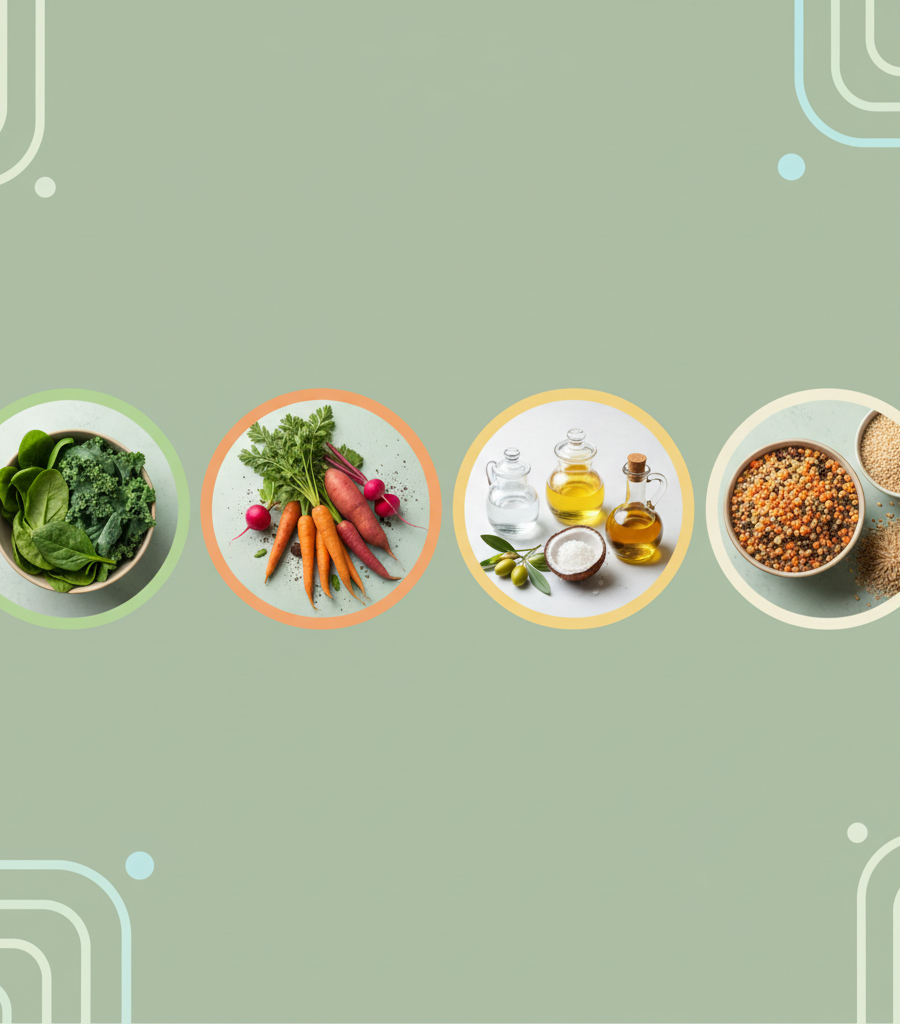
We cannot emphasize enough the importance of nutrition for hormonal health. The Ayurvedic approach focuses on "live," pure food that not only nourishes the body but also does not burden it with unnecessary toxins.
Foods you must include:
Green leafy vegetables: Packed with magnesium and vitamins (think spinach and kale).
Root vegetables: Excellent for "grounding" energy (such as carrots and sweet potatoes).
Healthy fats: Absolutely crucial for hormone production (Ghee (clarified butter), coconut, and olive oil).
Proteins and fibers: Legumes (lentils, chickpeas) and whole grains (quinoa) are excellent choices.
What is good to avoid:
Protect your glands by reducing or avoiding the intake of:
Refined sugar and artificial sweeteners.
Excessive caffeine and alcohol (which can raise cortisol).
Processed dairy products and non-organic food full of pesticides.
Ayurvedic tip: Don't forget to spice up your meals! Turmeric has a strong anti-inflammatory effect, while cumin and fennel improve digestion – this is, believe me, the first step toward healthy hormones.
Recipes for Hormonal Balance (Smoothies & Health Shots)
1. Super Green Energy Smoothie
This drink is a true treasure trove of omega fatty acids and adaptogens that help stabilize the endocrine system.
Ingredients: 2 cups water, 2 tablespoons hemp seeds, 1 tablespoon sesame seeds, 2 tablespoons spirulina, 2 tablespoons maca powder (fantastic for libido and the thyroid gland), 1 teaspoon coconut oil, and 1 banana.
Preparation: First blend the water and seeds until you get "milk," then add all the other ingredients. It is best to drink it on an empty stomach.

2. Antioxidant Bomb: Green Tea and Berries
Ingredients: 3/4 cup cold green tea, 3/4 cup frozen berries, 1/2 cup Greek yogurt (or coconut yogurt for a vegan option), 1 tablespoon hemp.
Benefit: Green tea is excellent for boosting metabolism, and berries help cleanse the liver of excess estrogen.
Small lifestyle changes, big results
Hormones, simply put, "love" routine. If you want to get them in order, Ayurveda recommends several key habits:
Dinacharya (Daily Routine): Try to go to bed early (before 10:00 PM) and wake up with the sun.
Mindfulness and Movement: Yoga and meditation have been proven to significantly reduce the stress hormone cortisol.
Hydration: Regularly drinking warm water throughout the day helps flush toxins (Ama) from the body.
The Power of Ayurvedic Herbs: Solutions
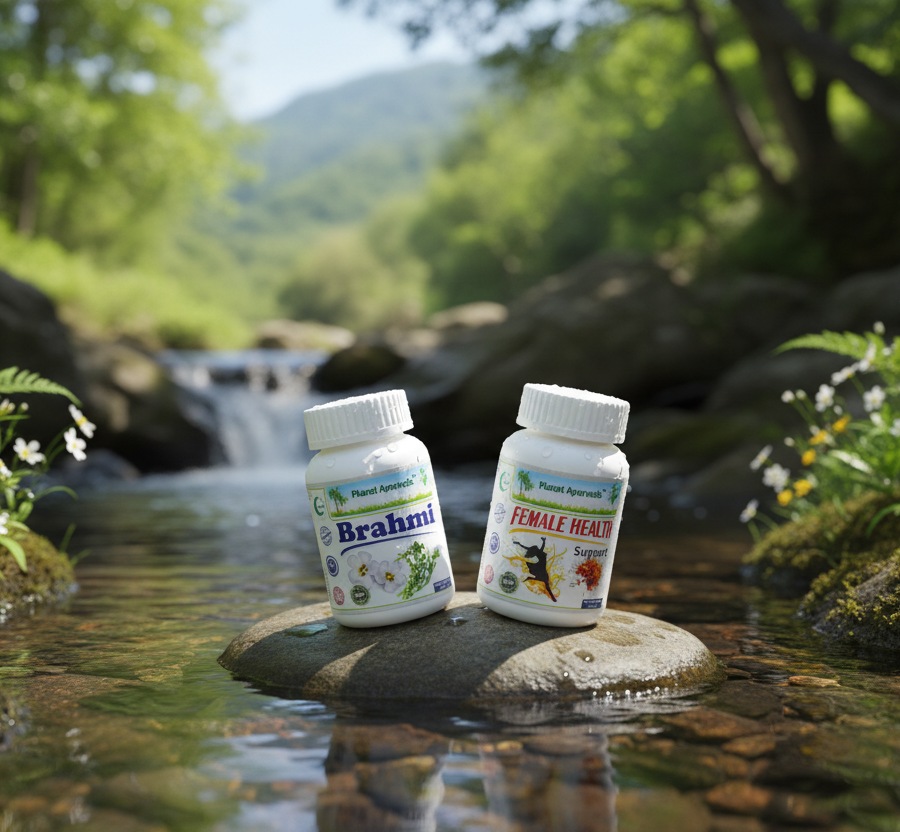
When the body requires extra support, nature offers us the most powerful herbs. offers 100% natural extracts, without any chemical additives:
Female Health Support: This is a special formula with Ashoka and Shatavari – known as the queen of herbs for women's health. It is excellent support for irregular menstruation and menopause.
Brahmi (Bacopa monnieri): Ideal for improving mental clarity and reducing stress, which is often the main culprit for hormonal chaos.
Conclusion
Hormonal balance is not just the absence of symptoms; it is a state of complete physical and emotional vitality. Through the Ayurvedic approach, you are not "fixing" your body, but teaching it how to function in your favor again, naturally and harmoniously.
Are you ready to take that first, important step toward your optimal health?
Next step: Read more about our natural supplements HERE or, even better, schedule a consultation with an Ayurvedic specialist to receive a personalized nutrition plan.
References and Scientific Sources
In creating this guide, we relied on reputable sources in the field of Ayurvedic medicine and modern endocrinological studies:
1. Scientific Studies on Ayurvedic Herbs and Hormones (PubMed & NCBI)
Ashwagandha and Thyroid Function: A study proving how adaptogenic herbs help balance thyroid hormones.
Shatavari (Asparagus racemosus) for Reproductive Health: A review of the impact of Shatavari on hormonal status in women.
The Impact of Yoga and Ayurvedic Lifestyle on Cortisol: A study on reducing stress hormones through holistic practices.
2. Reference Books and Textbooks on Ayurveda
Lad, V. (2002). Textbook of Ayurveda: Fundamental Principles. Albuquerque, N.M: Ayurvedic Press. (Basics of doshas and hormonal balance).
Frawley, D. (1999). Yoga & Ayurveda: Self-Healing and Self-Realization. Lotus Press. (The connection between the mind and the endocrine system).
3. Educational Resources from Leading Ayurvedic Institutions
The Ayurvedic Institute: Guide to diets according to doshas and their impact on metabolism.
Banyan Botanicals: Detailed analysis of herbs for women's health (Shatavari, Ashoka, Lodhra).
4. Clinical Research on Diet and Inflammation
Turmeric (Curcumin) as an Anti-inflammatory Agent: A study on how spices help reduce systemic inflammation leading to hormonal imbalance.
Available in the US
Products in this area of wellness
Traditionally used in the areas this article covers. They are not treatments for any condition, and nothing here is a recommendation for you specifically.
Disclosure: some links below are affiliate links. If you buy through them, AyurvedaGrid may earn a commission at no extra cost to you, and those products are listed first. Which products are relevant at all comes from the topic of the article — nothing here is a recommendation for you specifically.
- Kanchanara - Healthy Hormone(opens in a new tab)affiliateSri Sri Tattva USA· Tablet
Supports hormonal balance — glandular support
- Shatavari – Reproductive Support(opens in a new tab)affiliateSri Sri Tattva USA· Tablet
Supports women's wellness through the cycle
- She’s Active Multi Vitamin For Women(opens in a new tab)affiliateSri Sri Tattva USA· Capsule
Supports women's wellness through the cycle — daily multivitamin
These statements have not been evaluated by the Food and Drug Administration. These products are not intended to diagnose, treat, cure or prevent any disease. Speak to your own healthcare provider before starting a supplement, particularly if you are pregnant, nursing, or taking medication.
Continue reading
 Ayurvedic Basics & Doshas
What is Ayurveda: A Complete Guide for Beginners and Healthy Living
Discover the power of Ayurveda: A comprehensive guide to the 5,000-year-old "Science of Life." Learn how to identify your unique doshas (Vata, Pitta, and Kapha), how to kindle your digestive fire (Agni), and how to integrate ancient rituals and powerful herbs into a modern lifestyle for perfect balance and longevity.
 Ayurveda
Turmeric as a Remedy: Benefits, Uses, and Best Recipes
This blog post serves as a comprehensive guide to the power of the "golden spice" – turmeric. The text explains in detail the anti-inflammatory and antioxidant properties of curcumin, its application for chronic pain, digestive issues, and boosting immunity. In addition to scientific facts, the post offers practical recipes for "golden milk" and tea, as well as recommendations for high-quality supplements for maximum results.
 Ayurveda
Natural home remedies everyone should know: Your kitchen as a pharmacy
Discover 19 simple and powerful home remedies from your kitchen that help with coughing, digestive issues, headaches, and boosting immunity. Learn how the ancient Ayurvedic wisdom can help you improve your health in a natural way.
Your Ayurvedic overview
Curious about your own constitution?
Take the free guided assessment and receive your personal Ayurvedic overview — about ten minutes, private to your account.
Start Your Journey