
Autism: Ayurvedic Daily Routine and Supportive Care
Medically reviewed by Dr Girish Shirke, M.D. (Ayurved)August 31, 2026

Autism Spectrum Disorder (ASD) is a complex condition that affects the nervous system and development. In individuals with ASD, the perception of the world, learning, and communication occur in a unique way. Because autism is a "spectrum," challenges can vary greatly – from difficulties in social interaction to pronounced sensory sensitivities, meaning that every individual's experience is truly special.
In search of a holistic approach to well-being, many families are turning to Ayurveda – the oldest system of medicine, thousands of years old. This ancient science does not focus solely on treating symptoms but offers a comprehensive approach aimed at harmonizing the body, mind, and spirit. This provides natural support that excellently complements conventional therapies.

What is Ayurveda and how does it understand autism?
Ayurveda, whose name translates to "Science of Life," is based on the principle that every person is composed of three basic energies, known as Doshas: Vata, Pitta, and Kapha. According to Ayurvedic philosophy, true health stems from the perfect balance of these three energies.
From an Ayurvedic perspective, autism is often associated with an imbalance of the Vata dosha. Vata dosha governs the nervous system, movement, and the flow of thoughts, so when it is disturbed, it can manifest in various ways:
Vata (Air and Space): When Vata is in excess, it often causes increased anxiety, restlessness, and heightened sensory hypersensitivity. It is precisely this that can lead to a feeling of being "overwhelmed" in individuals with ASD.
Pitta (Fire and Water): Pitta imbalance can manifest through irritability, anger, as well as digestive problems, which are a common occurrence in the autistic population.
Kapha (Earth and Water): Kapha is responsible for stability and structure. Its imbalance can cause a feeling of withdrawal, lethargy, or lack of motivation, which can further affect social interaction.
Key Ayurvedic Strategies for Autism Support
1. Individualized Nutrition and Gut Health (Ahara)
Ayurveda considers the digestive system, or Agni (the fire energy of digestion), to be our "second brain." Today's research consistently confirms this ancient wisdom, showing a strong link between gut health and neurological functions in individuals with autism.
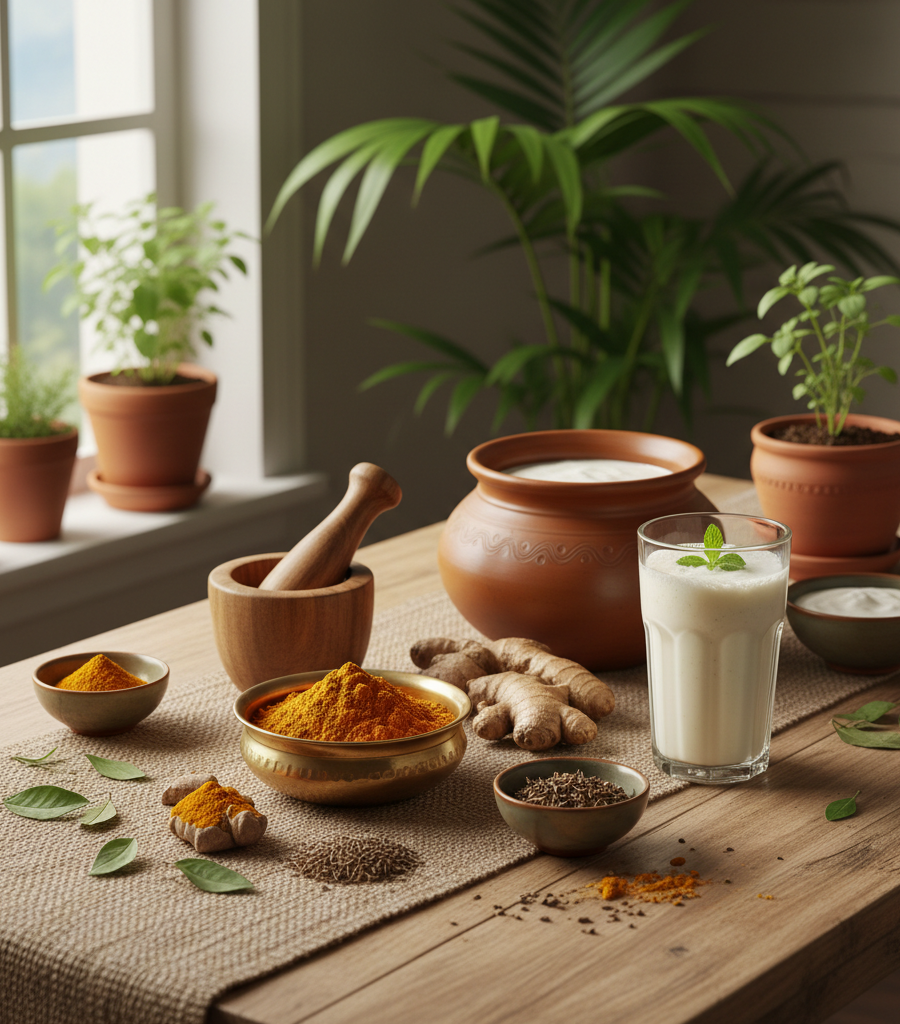
Balancing Vata: To calm Vata, especially in individuals with ASD, warm, freshly cooked, and easily digestible food is recommended. Avoiding cold drinks and raw food is crucial, as they can further disturb the nervous system and increase restlessness.
Healing Spices: Including certain spices in the diet is not only tasty but also therapeutic. Turmeric, with its powerful anti-inflammatory properties, ginger for better digestion, and cumin help in eliminating toxins (Ama) from the body, improving overall bodily function.
Probiotic Support: To maintain healthy gut flora, which is directly linked to brain function, home-prepared yogurt or traditional "Buttermilk" (Takra) can be extremely beneficial.
2. The Power of Ayurvedic Herbs (Dravya Guna)
At , we use pure, high-quality extracted herbs known for their beneficial effects on cognitive functions. They are key in supporting individuals with ASD:
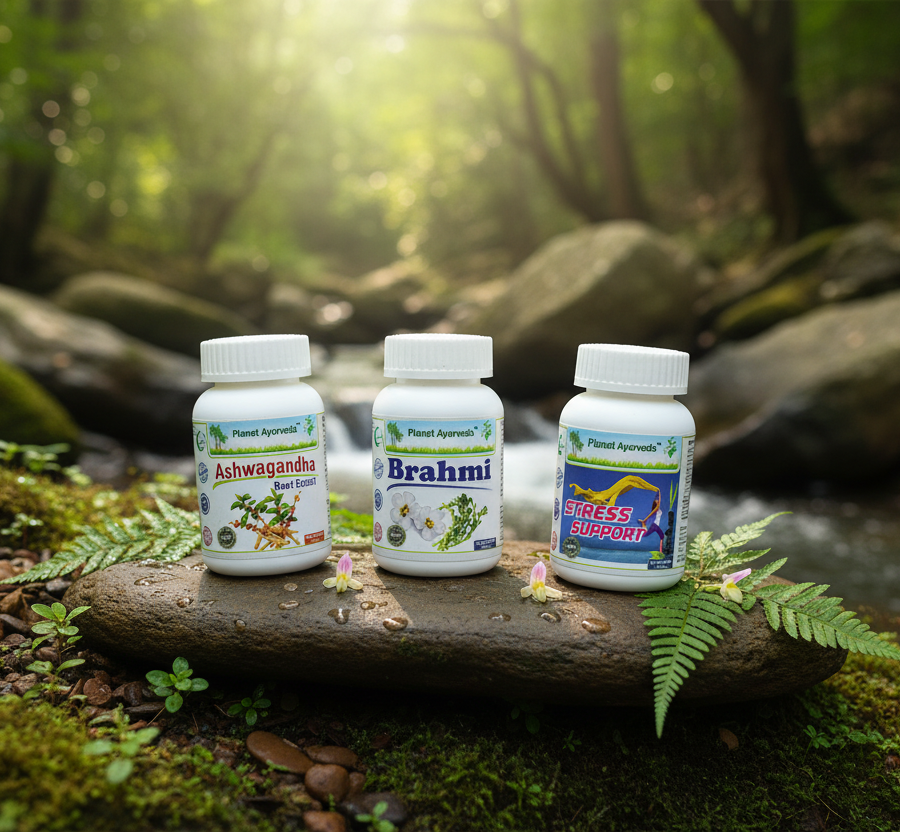
Brahmi (Bacopa monnieri): This herb is probably the most famous "brain tonic" in Ayurveda. Brahmi helps improve memory, concentration, and verbal communication, while simultaneously calming the mind and reducing feelings of anxiety.
Ashwagandha (Withania somnifera): As a powerful adaptogen, Ashwagandha helps the body cope with stress and reduce hypersensitivity. It strengthens nerve cells and is extremely useful for sleep disorders, which are often present in individuals with ASD.
Stress Support: This is a specially formulated supplement that combines the aforementioned herbs with other ingredients to provide comprehensive emotional stability. It helps reduce cortisol levels (the stress hormone) and promotes a sense of calm.
Don't miss out, view all natural products HERE.
Specialized Ayurvedic Therapies
In addition to nutrition and supplements, physical therapies play a key role in calming the sensory system and promoting deep relaxation. These therapies can be of great help to individuals with ASD:
Abhyanga (Ayurvedic Massage)
Full-body massage with warm sesame oil or specialized medicated oils, such as Mahanarayan oil, is extremely effective for "grounding" Vata energy. This practice not only improves circulation but also helps reduce physical tension and stress, creating a sense of security and relaxation.
Panchakarma (Detoxification)
This is a deep process of cleansing and rejuvenating the body. In children with autism, Panchakarma (which must be carefully adapted and performed under the strict supervision of an experienced Ayurvedic doctor) can be useful for removing heavy metals and accumulated toxins that can affect brain function and overall health.
Shirodhara
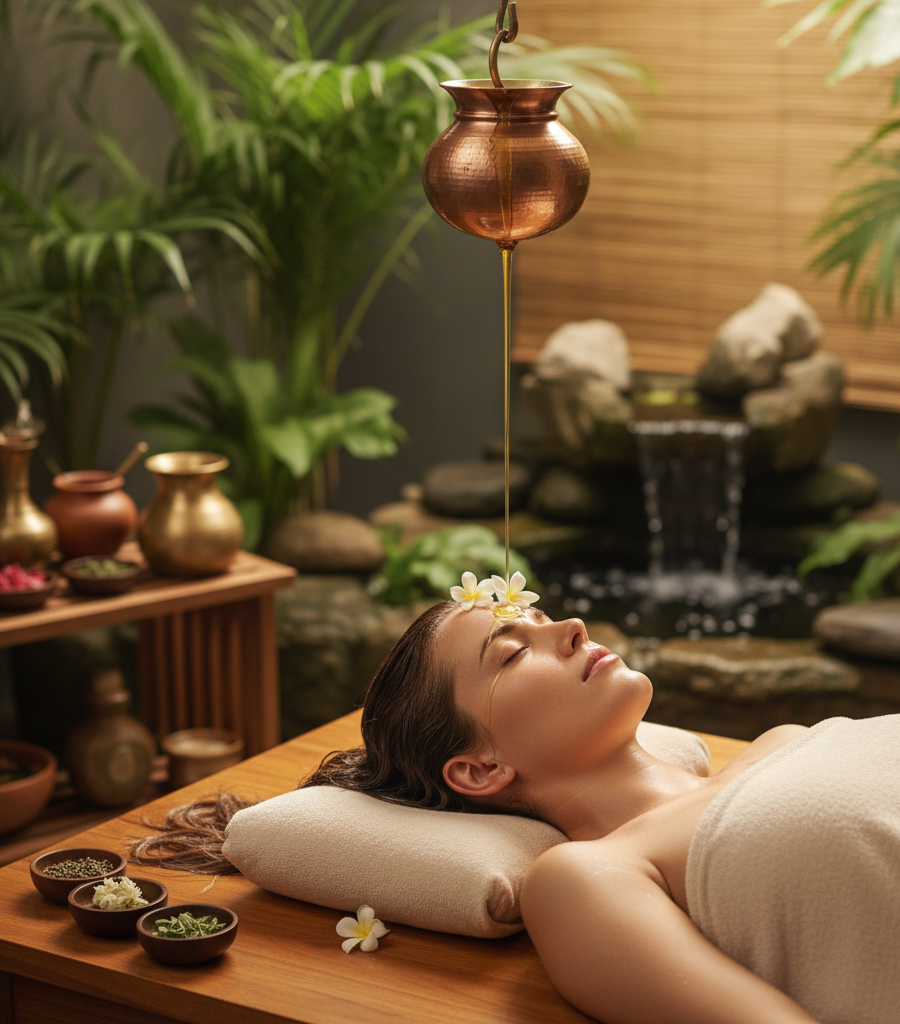
Shirodhara is an extraordinary therapy involving the gentle, continuous pouring of warm medicated oil onto the forehead, directly over the "third eye." This is one of the most effective therapies for deeply calming the nervous system, significantly improving sleep quality, and reducing hyperactivity, anxiety, and restlessness.
Lifestyle and Daily Routine (Dinacharya)
Stability and predictability are of immense importance for individuals on the spectrum. Ayurveda recommends a strictly defined daily routine (Dinacharya), which can make a big difference:
Regular Sleep: Establishing a fixed schedule for going to bed and waking up is key to regulating the biological clock and improving sleep quality, which directly affects mood and cognitive functions.
Yoga and Pranayama: Gentle breathing exercises (pranayama) and light yoga poses help in better oxygenation of the brain, calm the nervous system, and can alleviate panic attacks or anxiety. Focused movements also contribute to better coordination.
Aromatherapy: Using essential oils like lavender (for relaxation), sandalwood (for calming), or frankincense (for grounding) can contribute to creating a safe, peaceful, and relaxing environment at home, which is especially important for sensory-sensitive individuals.

Why Choose a Natural Approach?
I want to emphasize that Ayurvedic treatment is not intended to replace conventional medicine, but I believe it can be an extremely powerful partner in overall care. The focus of Ayurveda is on the individual needs of the person, not just the medical diagnosis. By restoring natural balance, from my experience, we can see significant improvements in many aspects:
Improvement in cognitive development and assistance in learning.
Reduction in aggression and self-harming behaviors.
Better sleep quality and more normal digestion.
Greater social inclusion and desire for interaction.
Conclusion
The journey with autism requires great patience, immense love, and comprehensive support from all sides. Ayurveda, with its thousands-of-years-old tools and wisdom, is relevant today for significantly improving quality of life. I believe that embracing the power of nature, especially through a personalized Ayurvedic approach, can enable your child to find the harmony and well-being they truly deserve.
References and Scientific Sources
Insights from modern clinical studies and traditional Ayurvedic texts were used to prepare this text:
1. Scientific Studies on Brahmi (Bacopa monnieri) and Cognitive Functions
PubMed (NCBI): Efficacy of Bacopa monnieri on attention and hyperactivity in children. This study explores the impact of Brahmi on improving focus and reducing impulsivity.
Journal of Ayurveda and Integrative Medicine: Brahmi as a powerful neuroprotective agent.
2. Scientific Studies on Ashwagandha (Withania somnifera) and Stress Management
Indian Journal of Psychological Medicine: A study on the safety and efficacy of Ashwagandha in reducing stress and anxiety in adults (applicable to calming the nervous system).
Cureus Journal of Medical Science: The adaptogenic potential of Ashwagandha on neurological health.
3. The Connection Between Gut Health and Autism (Gut-Brain Axis)
Frontiers in Cellular Neuroscience: The gut microbiome and its role in autism spectrum disorders. (This supports the Ayurvedic concept of "Agni" and digestion).
4. Ayurvedic Protocols for Autism
ResearchGate: Ayurvedic approach to managing autism: A review of therapies and nutrition.
International Journal of Ayurveda and Pharma Research: The role of Panchakarma and Medhya Rasayana (brain herbs) in children with special needs.
Additional Resources and Education:
India (Official): Detailed descriptions of herbal formulas and their traditional use. www..com
World Health Organization (WHO): Traditional Medicine Strategy 2014-2023 (Recognition of Ayurveda as a healing system). Link to WHO
Continue reading
 Ayurvedic Basics & Doshas
What is Ayurveda: A Complete Guide for Beginners and Healthy Living
Discover the power of Ayurveda: A comprehensive guide to the 5,000-year-old "Science of Life." Learn how to identify your unique doshas (Vata, Pitta, and Kapha), how to kindle your digestive fire (Agni), and how to integrate ancient rituals and powerful herbs into a modern lifestyle for perfect balance and longevity.
 Ayurveda
Turmeric as a Remedy: Benefits, Uses, and Best Recipes
This blog post serves as a comprehensive guide to the power of the "golden spice" – turmeric. The text explains in detail the anti-inflammatory and antioxidant properties of curcumin, its application for chronic pain, digestive issues, and boosting immunity. In addition to scientific facts, the post offers practical recipes for "golden milk" and tea, as well as recommendations for high-quality supplements for maximum results.
 Ayurveda
Natural home remedies everyone should know: Your kitchen as a pharmacy
Discover 19 simple and powerful home remedies from your kitchen that help with coughing, digestive issues, headaches, and boosting immunity. Learn how the ancient Ayurvedic wisdom can help you improve your health in a natural way.
Your Ayurvedic overview
Curious about your own constitution?
Take the free guided assessment and receive your personal Ayurvedic overview — about ten minutes, private to your account.
Start Your Journey