
9 Natural Tips for Lowering Blood Pressure
Medically reviewed by Dr Girish Shirke, M.D. (Ayurved)September 5, 2026
Is high blood pressure, commonly known as hypertension, something you struggle with every day? Believe me, you are not alone. But there is some truly good news: lifestyle is your most powerful ally in this battle. Even small but consistent changes in diet, salt intake, and physical activity can make a huge difference – literally changing your life.
The science is clear: lowering blood pressure **by just 12 to 13 mmHg** significantly reduces the risk of heart disease, stroke, and other cardiovascular complications. In the following lines, I will share with you nine effective ways to naturally put your pressure under control and give your heart a new beginning. Let's get started!

1. Watch Your Salt (Sodium)
Although sodium is essential for hydration and proper functioning of the body, excessive intake is one of the main culprits for high blood pressure. Be especially careful with processed foods, snacks, and deli meats – they are "hidden" sources of salt that we often overlook.
My advice: Try to limit your salt intake to **less than 1500 mg per day**. Instead of reaching for the salt shaker, experiment with herbs and spices to give your food incredible flavor. You will be surprised how much a small change can bring.
2. The Power of Flaxseed and Oats
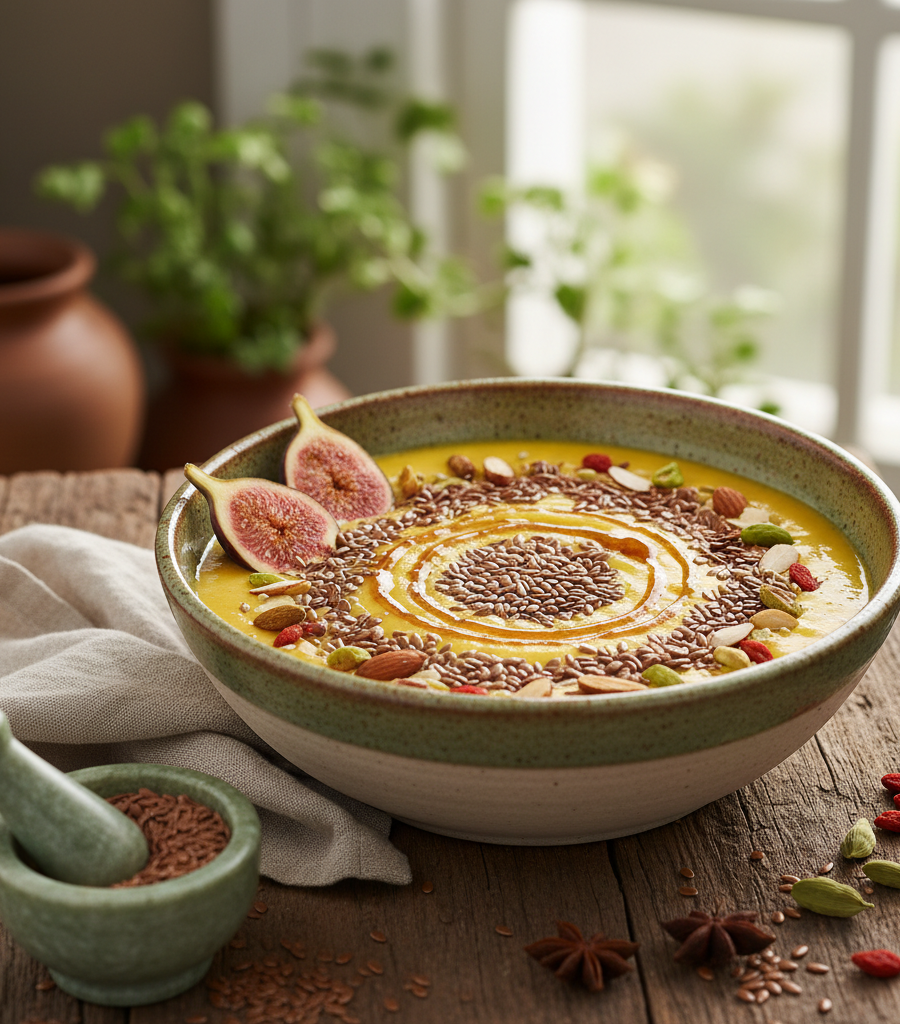
Dietary fibers are true heroes for arterial health. There are studies showing that just **30 grams of ground flaxseed** daily, consumed over a period of six months, can lower blood pressure by an impressive **15 mmHg**.
How does it work? Flaxseed is rich in alpha-linolenic acid and fibers that improve circulation. Oats, on the other hand, help in lowering both systolic and diastolic pressure. Both are truly easy to add to your daily diet.
3. Blueberries for More Flexible Blood Vessels
Blueberries are not just delicious, they are a true source of health! They are rich in **anthocyanins** – powerful antioxidants that increase the elasticity of blood vessels. By regularly consuming blueberries, you can neutralize the harmful effects of a fatty diet and ease blood flow throughout the body. They are a perfect addition to breakfast or as a snack.
4. Spice Up Your Life with Cinnamon
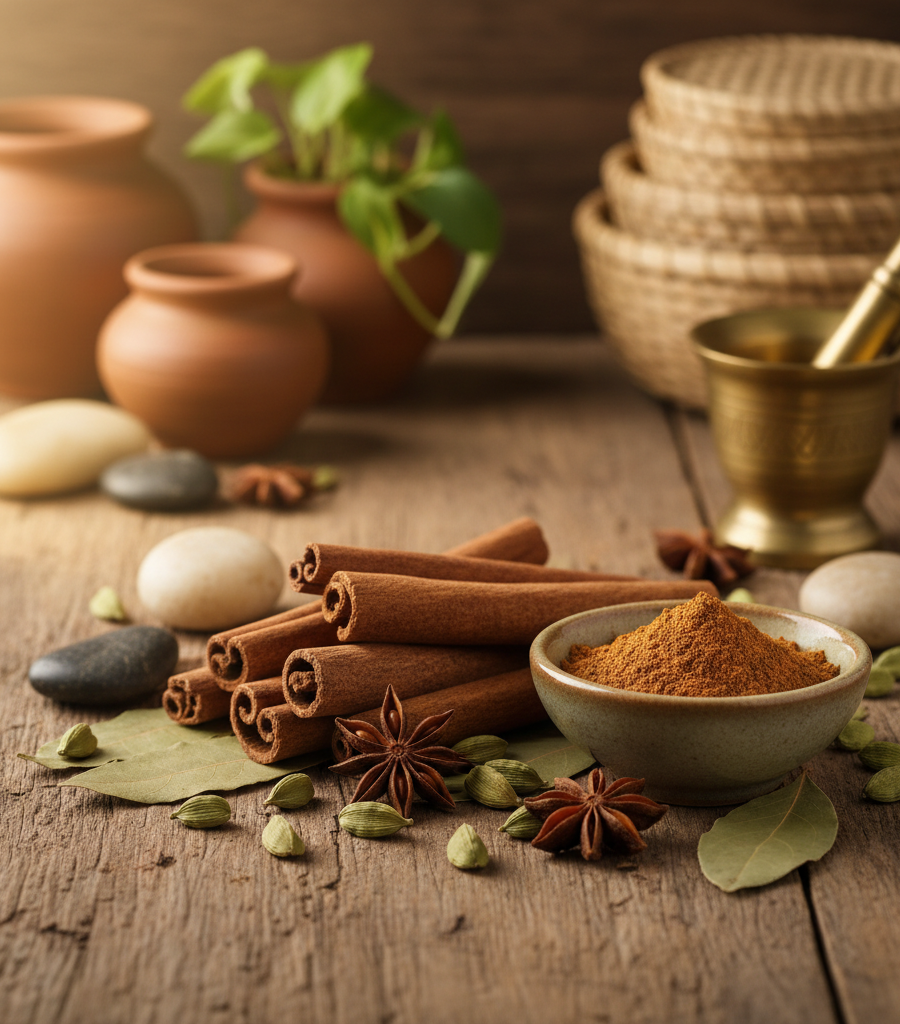
Who would have thought that cinnamon, this fragrant spice we usually use for desserts, has such a powerful effect? Its active component, **cinnamaldehyde**, helps in relaxing and dilating blood vessels. This natural action leads to a gradual and stable reduction in blood pressure. Consider adding a little cinnamon to your morning coffee or oatmeal.
5. Grapefruit for a Better Lipid Profile
If you add grapefruit to your breakfast, a real miracle can happen. Studies show that consuming half a red grapefruit three times a day significantly lowers blood pressure and improves blood fats (lipids). I believe this is a delicious way to do something good for your heart.
Important note: If you are already taking blood pressure medication, be sure to consult your doctor before increasing your grapefruit intake. It has potential for interactions!
6. Regular Physical Activity (Aerobic Exercise)
Don't forget that the heart is a muscle, and exercise strengthens it. Just **30 minutes of aerobic exercise a day** – like brisk walking, swimming, or cycling – can lower pressure by 4-9 mmHg in just one to three months. The key, in my experience, is consistency! Make it part of your routine.
7. Weight Loss
Excess weight seriously burdens the entire circulatory system. Research clearly shows that losing just **5 to 10 kilograms** can dramatically reduce the strain on the heart. Focus on a diet rich in flavonoids, magnesium, and potassium. It is an investment in your health that is worth it.

8. Harness the Power of the Sun
Sunlight is not just for a good mood. It helps in releasing **nitric oxide** into the skin and blood, a process that causes blood vessels to dilate and, naturally, lowers pressure. Spend at least 15-20 minutes outside on days when the sun is not too strong. Enjoy nature and let the sun help you.
9. Key Vitamins and Dietary Supplements
Your body needs certain micronutrients to regulate pressure. Try to consume enough of the following:
**Magnesium and Potassium:** They have a relaxing effect on the muscles in the blood vessels.
**Coenzyme Q10:** Provides energy for the heart muscle, which is crucial for its function.
**Folic Acid:** Improves the health of the endothelium, the inner layer of the blood vessels.
Ayurvedic Approach: Solutions
When nature and traditional medicine merge, the results are often extraordinary. For those seeking additional support in heart care, "" offers a powerful natural combination for a healthy cardiovascular system:
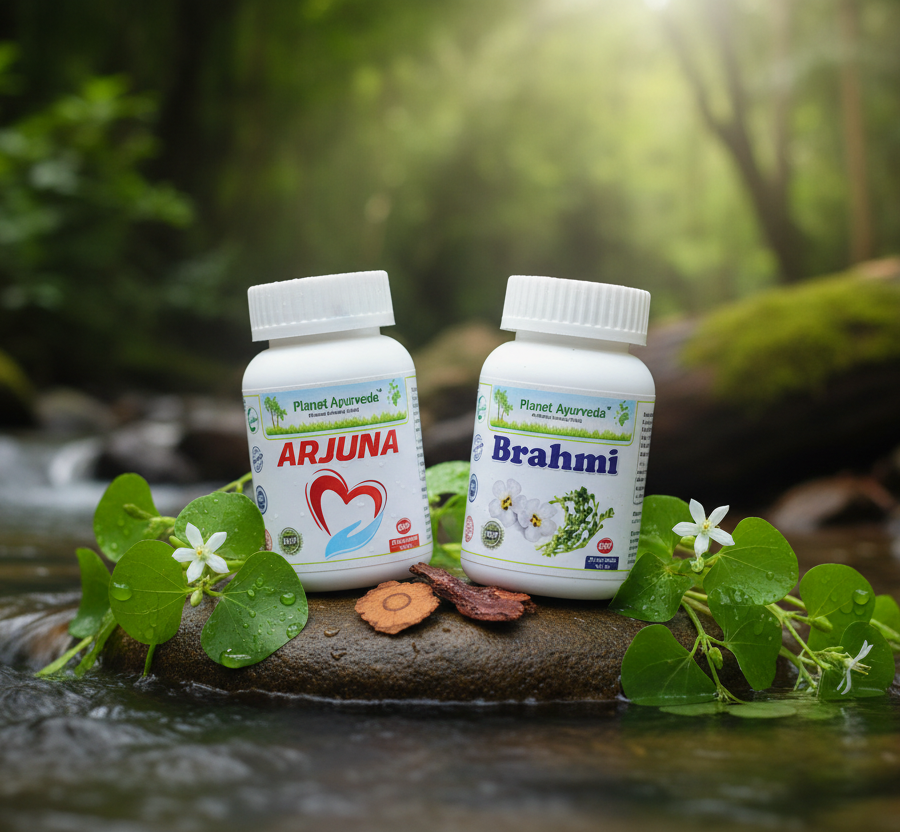
Arjuna (Terminalia arjuna)
Arjuna is perhaps the most famous Ayurvedic herb for the heart. It acts as a true tonic for the heart muscle, improves its pumping function, and helps strengthen the capillaries. The herb is rich in natural coenzymes and antioxidants that directly contribute to maintaining normal blood pressure. It is support from nature that should not be ignored.
Brahmi (Bacopa monnieri)
Often, high blood pressure is closely linked to stress and nervous tension. This is where Brahmi comes onto the scene – a top "adaptogen" that calms the mind, reduces cortisol levels (the stress hormone), and helps the body better cope with daily pressure. By deeply calming the nervous system, Brahmi indirectly helps in maintaining more stable blood pressure values. I believe that mental peace is inseparable from physical health.
Conclusion
High blood pressure is not destiny, nor does it have to be your constant state. I believe that with a combination of proper nutrition, regular physical activity, conscious stress reduction, and powerful Ayurvedic supplements like Arjuna and Brahmi, you can effectively protect your heart and enjoy a long and fulfilled life. Every step, no matter how small, is a step toward better health.
Useful links and sources:
Studies on nutrition and lifestyle
Flaxseed: Caligiuri, S. P., et al. (2013). "Potent antihypertensive action of dietary flaxseed in hypertensive patients." Hypertension Journal - PubMed
Blueberries: Rodriguez-Mateos, A., et al. (2019). "Blueberry anthocyanins and circulating metabolites improve vascular function and lower systolic blood pressure." The Journals of Gerontology - PubMed
Cinnamon: Akilen, R., et al. (2013). "Effect of short-term administration of cinnamon on blood pressure in patients with prediabetes and type 2 diabetes." Nutrition Journal - PubMed
Grapefruit: Dow, C. A., et al. (2012). "Reiterative consumption of fresh red grapefruit improves lipid profile and reduces blood pressure." Metabolism - PubMed
Sunlight (UVA): Liu, D., et al. (2014). "UVA irradiation of human skin causes a systemic release of nitrogen oxides and lowers blood pressure." Journal of Investigative Dermatology - PubMed
Ayurvedic literature and research
Arjuna (Terminalia arjuna): Dwivedi, S. (2007). "Terminalia arjuna Wight & Arn. — A useful drug for cardiovascular disorders." Journal of Ethnopharmacology - PubMed
Brahmi (Bacopa monnieri): Aguiar, S., & Borowski, T. (2013). "Neuropharmacological Review of the Nootropic Herb Bacopa monnieri." Rejuvenation Research - PubMed
International Guide: World Health Organization (WHO). "Guideline: Sodium intake for adults and children." WHO Guidelines
In this guide
More on Heart & Blood Pressure
Available in the US
Products in this area of wellness
Traditionally used in the areas this article covers. They are not treatments for any condition, and nothing here is a recommendation for you specifically.
Disclosure: some links below are affiliate links. If you buy through them, AyurvedaGrid may earn a commission at no extra cost to you, and those products are listed first. Which products are relevant at all comes from the topic of the article — nothing here is a recommendation for you specifically.
- Arjuna – Heart & Circulatory Support(opens in a new tab)affiliateSri Sri Tattva USA· Tablet
Supports heart health and healthy circulation — heart muscle tone and healthy circulation
- CardiStrong Garlic & Coconut Oil Capsules(opens in a new tab)affiliateSri Sri Tattva USA· Capsule
Supports heart health and healthy circulation — healthy circulation and lipid balance
- Omega 3,6,9 Flaxseed Oil Cap(opens in a new tab)affiliateSri Sri Tattva USA· Capsule
Supports heart health and healthy circulation — essential fatty acids
These statements have not been evaluated by the Food and Drug Administration. These products are not intended to diagnose, treat, cure or prevent any disease. Speak to your own healthcare provider before starting a supplement, particularly if you are pregnant, nursing, or taking medication.
Continue reading
 Ayurveda
Turmeric as a Remedy: Benefits, Uses, and Best Recipes
This blog post serves as a comprehensive guide to the power of the "golden spice" – turmeric. The text explains in detail the anti-inflammatory and antioxidant properties of curcumin, its application for chronic pain, digestive issues, and boosting immunity. In addition to scientific facts, the post offers practical recipes for "golden milk" and tea, as well as recommendations for high-quality supplements for maximum results.
 Ayurveda
Natural home remedies everyone should know: Your kitchen as a pharmacy
Discover 19 simple and powerful home remedies from your kitchen that help with coughing, digestive issues, headaches, and boosting immunity. Learn how the ancient Ayurvedic wisdom can help you improve your health in a natural way.
 Ayurveda
Turmeric and Ginger Tea: A Warming Drink for Cold Season
This guide explores in detail the synergistic impact of turmeric and ginger on the human body. In addition to the traditional Ayurvedic cold tea recipe, the text provides scientific evidence for the power of curcumin, tips for its maximum absorption using black pepper, as well as the benefits of using highly concentrated dietary supplements for long-term health.
Your Ayurvedic overview
Curious about your own constitution?
Take the free guided assessment and receive your personal Ayurvedic overview — about ten minutes, private to your account.
Start Your Journey